Dysmenorrhea refers to menstrual pain that can range from mild cramping to severe, debilitating discomfort. While many experience some level of pain during their periods, symptoms that interfere with daily life—missing school, work, or social activities—should not be considered normal.
There are two types of dysmenorrhea. Primary dysmenorrhea is pain tied to the menstrual cycle with no additional cause. In contrast, secondary dysmenorrhea is caused by underlying conditions such as endometriosis, adenomyosis, fibroids, or pelvic inflammatory disease. These conditions may share overlapping symptoms and require specialized evaluation to differentiate and treat appropriately.
For many, period pain is brushed aside or misattributed, leading to delayed diagnoses and unnecessary suffering. Recognizing dysmenorrhea as a medical issue—not just a nuisance—is the first step toward effective care and long-term relief.
Types of Dysmenorrhea
Video: What Is Dysmenorrhea?
Menstrual pain is often considered a normal part of life, but not all period pain is the same, nor should it be treated the same. Dysmenorrhea, the medical term for painful menstruation, falls into two broad categories: primary and secondary.
Distinguishing between the two is key to identifying whether pain is part of a normal hormonal process or a sign of an underlying condition. The chart below outlines the key differences to help guide more informed conversations and evaluations.
| Primary Dysmenorrhea | Secondary Dysmenorrhea | |
|---|---|---|
| Cause | Biochemical and hormonal changes in the uterus, not linked to structural disease | An identifiable condition or abnormality, such as endometriosis, adenomyosis, fibroids, polyps, pelvic inflammatory disease (PID), ovarian cysts, uterine abnormalities, or surgical scarring |
| Mechanism | High levels of prostaglandins trigger strong uterine contractions and reduced blood flow, causing ischemic pain | Inflammatory or structural changes due to underlying pathology |
| Response to treatment | Often improves with NSAIDs and hormonal contraceptives | May not respond to first-line treatments; requires diagnosis and treatment of underlying cause |
Recognizing what type of dysmenorrhea you’re experiencing helps guide the right next steps. Period pain is treatable, and you deserve more than temporary fixes. With thoughtful care, real relief is possible.
Note: At ESSE Care, we take menstrual pain seriously. During every evaluation, our doctors take the time to listen closely and ask detailed questions to understand your experience. We work together to understand what’s driving your symptoms and to explore options that align with your body, your values, and your long-term health.
Common Symptoms of Dysmenorrhea
Symptoms of dysmenorrhea can vary from person to person and may change over time. While cramping is the hallmark, period pain that interferes with daily life often includes more than just discomfort.
Common symptoms that accompany dysmenorrhea may include:
- Sharp or aching pain in the lower abdomen or pelvis
- Cramping that begins before or during menstruation
- Pain radiating to the lower back, hips, or thighs
- Nausea, vomiting, or diarrhea
- Fatigue or low energy
- Headaches or lightheadedness
- Pain with urination, bowel movements, or sexual activity (especially with secondary dysmenorrhea)
- Heavy or prolonged bleeding, often accompanied by clotting
These symptoms may occur in isolation or alongside others. When they persist, worsen, or resist common treatments like NSAIDs or hormonal birth control, it’s important to evaluate for possible secondary dysmenorrhea.
What Contributes to Dysmenorrhea?


What Contributes to Dysmenorrhea?
Dysmenorrhea isn’t caused by one single factor. While hormone activity plays a significant role, particularly in primary dysmenorrhea, other structural and inflammatory contributors often go unrecognized—especially in adolescents and young adults.
Factors that may influence menstrual pain include:
- Prostaglandin levels: These hormone-like chemicals increase uterine contractions. Higher levels are linked to more intense pain and reduced blood flow (ischemia) in the uterus.
- Family history: Conditions like endometriosis and adenomyosis can run in families and may predispose individuals to secondary dysmenorrhea.
- Early menarche: Starting periods at a young age is associated with a longer lifetime exposure to hormonal cycling and potential for pain.
- Inflammation and immune activation: Chronic low-grade inflammation may amplify pain perception and contribute to pelvic sensitivity.
- Nervous system hypersensitivity: For some, pain signals are amplified by heightened nerve activity in the pelvis, often overlapping with conditions like irritable bowel syndrome (IBS) or bladder pain syndromes.
- Pelvic floor dysfunction: Ongoing pain can cause the pelvic muscles to tighten and spasm, compounding discomfort during menstruation and beyond.
- Lifestyle and stress: Lack of sleep, poor nutrition, and unmanaged stress can worsen both inflammation and pain sensitivity.
Understanding what drives your pain is essential. Because dysmenorrhea often overlaps with other conditions—like endometriosis, fibroids, or irritable bowel syndrome—clear diagnosis and targeted care are the foundation for lasting relief.
How Dysmenorrhea Affects Daily Life


Dysmenorrhea is not just a physical burden—it can deeply affect emotional wellbeing, relationships, education, and career aspirations. Among adolescents, it is the leading cause of short-term school absenteeism. Many young people lose multiple days each month to pain, yet nearly 25% never discuss their symptoms with a healthcare provider.
The downstream effects can include:
- Social withdrawal and isolation
- Academic underperformance
- Strained family dynamics or peer relationships
- Feelings of shame, anxiety, or helplessness
Pain is not a rite of passage. It’s a signal. And it deserves attention.
Conditions That Cause or Are Related to Dysmenorrhea
Period pain can stem from more than just hormonal shifts. Below is a comparison of conditions that may cause or worsen pain during your period. This may help you explore possible diagnoses with your doctor.
| Condition | Overview |
|---|---|
| Primary Dysmenorrhea | Menstrual pain without underlying structural disease, driven by excess prostaglandins, causing strong uterine contractions and ischemic pain. Pain typically begins in late teens or early 20s, lasting 1-3 days during menses with no abnormality. This is distinct from the driving cause of secondary dysmenorrhea is often overlooked. |
| Endometriosis | Endometrial tissue grows into the muscular wall of the uterus, causing severe menstrual pain and heavy bleeding. |
| Adenomyosis | Noncancerous growths in or on the uterus made of muscle tissue; may cause cramping, pressure, or heavy bleeding. |
| Uterine Fibroids | Noncancerous growths in or on the uterus made of muscle tissue; may cause cramping, pressure, or heavy bleeding. |
| Pelvic Inflammatory Disease (PID) | Infection of the uterus, fallopian tubes, or ovaries that causes chronic pelvic pain, often with fever and discharge. |
| Pelvic Floor Dysfunction | Tight or overactive pelvic muscles from chronic pain or tension. |
| Ovarian Cysts | Fluid-filled sacs on or inside the ovaries; can cause severe pain when large or ruptured. |
| Irritable Bowel Syndrome (IBS) | Chronic digestive condition that affects bowel function and sensitivity; symptoms often worsen with menstruation. |
| Bladder Pain Syndrome (Interstitial Cystitis) | Chronic inflammation or hypersensitivity of the bladder and pelvic nerves. |
How We Evaluate and Diagnose Dysmenorrhea
Initial Assessment
We begin by listening to your story. A comprehensive history helps us understand:
- When the pain started and how it’s changed
- What helps and what doesn’t
- How it affects your daily functioning
- Any family history of gynecologic conditions like endometriosis
Physical Exam
A pelvic exam may be performed, though it’s often deferred for adolescents unless absolutely necessary. If a pelvic exam is done, we also assess for:
- Muscle tenderness or guarding (pelvic floor dysfunction)
- Uterine or ovarian abnormalities
- External signs of inflammation or infection
Imaging & Testing
If secondary causes are suspected, we may recommend:
- Pelvic ultrasound: May identify fibroids, cysts, or other structural abnormalities
- MRI: Provides a detailed view of the uterus and surrounding structures
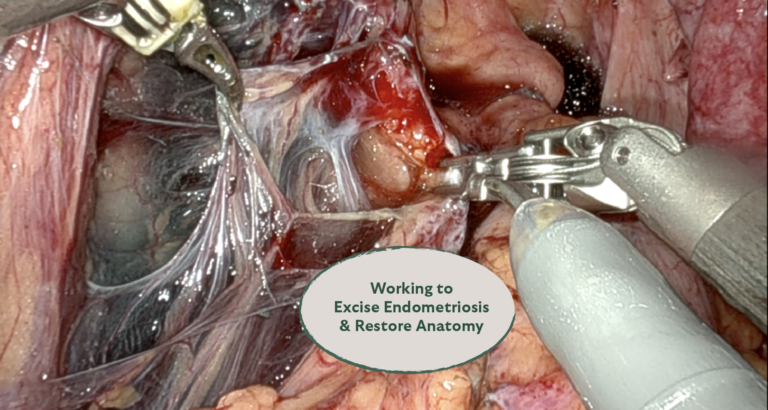
- Laparoscopy: A minimally invasive surgery used to identify and treat endometriosis or other hidden pelvic conditions
- Urine or blood tests: Rule out infection or hormonal imbalances
It’s important to note that “normal” imaging does not rule out endometriosis. In fact, in adolescents with chronic pain not responding to treatment, up to two-thirds will be diagnosed with endometriosis upon laparoscopy.
Our Philosophy at ESSE Care
We recognize that period pain doesn’t exist in a vacuum—it’s often part of a larger picture involving hormonal patterns, pelvic structure, nervous system sensitivity, and emotional resilience.
That’s why our approach is integrative and trauma-informed, rooted in the belief that effective care must see and support the whole person.
Our dysmenorrhea care includes:
- Diagnosis: We make no assumptions. We use your symptoms, imaging, and expert physical exams to identify causes that may have been missed elsewhere.
- Hormonal management: From birth control pills to IUDs to progestin therapy, we find the right fit for your body and goals.
- Minimally invasive surgical options: For those with suspected endometriosis, fibroids, or adhesions, we offer expert laparoscopic excision and uterine-sparing techniques.
- Pelvic floor evaluation: Chronic pain often leads to muscle guarding. Our network of pelvic floor therapy partners helps release tension and restore mobility.
- Supportive therapies: Anti-inflammatory nutrition, mind-body practices, and nervous system regulation support healing from all angles.
You Deserve Real Care for Painful Menstruation
Dysmenorrhea is one of the most common—and most overlooked—gynecologic conditions, especially in teens and young adults. But just because it’s common doesn’t mean it’s acceptable.
At ESSE Care, we combine surgical expertise with deep listening and integrative support to uncover what’s really driving your pain and create a path forward that honors your body, your goals, and your voice. Whether you’re just beginning to question your symptoms or have been on this journey for years, we’re here to help you reclaim your cycle, your time, and your comfort.
Schedule a consultation with our team today and see what it means to be truly heard.