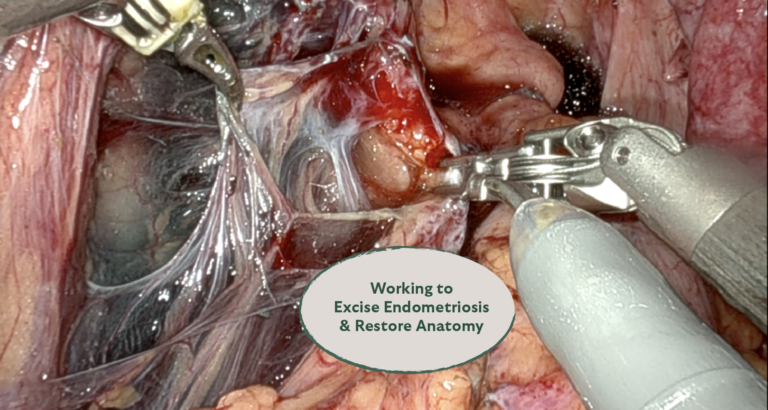
Fibroids (also known as leiomyomas or myomas) are benign tumors composed of smooth muscle and connective tissue. They vary in size and location—ranging from barely noticeable to large enough to distort the uterus. While they are hormonally sensitive, often shrinking after menopause, fibroids can cause significant symptoms that disrupt daily life.
Fibroids are often just one part of a more complex picture. They may occur alongside conditions like adenomyosis or endometriosis, even causing some of the same symptoms. Accurate diagnosis and the right surgical technique are key to finding the right path forward—not just for symptom relief, but also for your long-term health and quality of life.
Video: What Are Fibroids? Understanding Symptoms with Dr. Leigh Rosen
Types of Uterine Fibroids
Uterine fibroids can grow in several different places on or in the uterus. The four types of fibroids are:
| Type | Location | Impact and Symptoms |
|---|---|---|
| Intramural | Inside the uterine wall | Heavy, irregular bleeding; pelvic pain, pressure, or fullness; frequent urination; constipation; pain with sex |
| Subserosal | On the outer surface of the uterus | Heavy, irregular bleeding; pelvic pain, pressure, or fullness; frequent urination, constipation, pain with sex |
| Submucosal | Under the uterine lining, into the cavity | Heavy, irregular bleeding; infertility; pelvic pain, pressure, or fullness; frequent urination; constipation; pain with sex |
| Pedunculated | Attached by a stalk (inside or outside the uterus) | Heavy, irregular bleeding; pelvic pain, pressure, or fullness; frequent urination; constipation; pain with sex; acute pain due to twisting/torsion |
Common Symptoms of Fibroids
- Heavy or prolonged menstrual bleeding
- Iron-deficiency anemia and fatigue
- Pelvic pain or pressure
- Bloating and visible uterine enlargement
- Pain during intercourse
- Frequent urination, urinary incontinence, or constipation
- Lower back or leg pain
- Infertility or recurrent pregnancy loss
What Causes Uterine Fibroids?
Uterine fibroids are hormonally responsive, meaning they tend to grow when estrogen and progesterone levels are higher—like during reproductive years or pregnancy—and can shrink after menopause. While hormones play a central role, they don’t tell the whole story. Not all fibroids behave the same way, and growth patterns can vary.
Fibroids that grow quickly, especially after menopause, may raise concern for rare malignancies like leiomyosarcoma. While fewer than 0.1% of fibroids are cancerous, significant or sudden growth deserves attention to ensure safety and clarity in diagnosis.
Factors that may contribute to fibroid development include:
- Family history: Fibroids run in families, especially among first-degree relatives.
- Early menstruation: Beginning your period before age 11 may increase lifetime fibroid risk.
- High estrogen levels: Naturally higher or environmentally influenced estrogen can promote growth.
- Inflammation and lifestyle factors: A diet low in fruits and vegetables and high in red meat may increase risk.
- Vitamin D deficiency: Research shows a potential link between low vitamin D and higher fibroid incidence.
- Insulin resistance and metabolic conditions: Conditions like PCOS or metabolic syndrome may influence fibroid growth.
Because fibroids are so varied—and often occur alongside endometriosis or adenomyosis—understanding their root contributors helps specialists like those at ESSE Care create more individualized, effective care plans.
Comparisons with Other Conditions


| Condition Overview | Prevalence | Symptoms/Treatment |
|---|---|---|
|
Fibroids Solid, muscle-based growths in/on the uterus. |
70%–80% of women | Symptoms include fullness, pressure, frequent urination, constipation, and fertility issues. Treatment depends on symptoms and fertility goals. |
|
Uterine Polyps Soft growths on the endometrial lining |
Most common in women in their 40s and 50s | Can cause spotting between periods and carry a small risk of becoming cancerous, especially in postmenopausal patients. Removal by hysteroscopy often recommended. |
|
Ovarian Cysts Fluid-filled sacs on/within the ovaries. |
10% of women | Can cause pain and discomfort. Many cysts resolve on their own, but some require surgical removal. |
|
Endometriosis Tissue that behaves like uterine lining but exists outside the uterus. |
5%–10% of reproductive-age women; up to 50% of women who are infertile (Source) | Endo is an inflammatory condition that can cause painful periods, painful sex, and painful bowel movements. Treatment plan depends on symptoms and fertility goals. |
|
Polycystic Ovarian Syndrome (PCOS) A syndrome that affects ovarian function, causing cysts and hormonal imbalances |
10% of women | PCOS is largely treated with medication and lifestyle changes, whereas fibroids often require surgery. |
|
Thyroid Conditions Contribute to menstrual irregularities, fatigue, and fibroid growth due to hormonal interplay |
12%–13% of women (1 in 8) | Both thyroid conditions and fibroids may cause irregular/heavy bleeding and anemia |
|
Pseudo-Meigs' Syndrome Fluid in the abdomen and chest caused by large pedunculated fibroids |
Rare | Caused by pelvic or abdominal tumor which can be benign or cancerous, often requiring surgical removal to resolve symptoms. |
Understanding Fertility, Diagnosis, and Treatment in the Context of Fibroids
Video: IVF or Fibroid Surgery First? Why Timing and Collaboration Matter With Dr. Leigh Rosen
Whether you’re trying to understand how fibroids might affect your fertility or navigating heavy periods and pelvic pain, our goal is to offer clarity, not quick fixes—and to ensure that every step in your care is aligned with your values.
Fertility Considerations
Fibroids can affect fertility by distorting the uterine cavity, blocking fallopian tubes, or causing inflammation that disrupts implantation. Submucosal and larger intramural fibroids are most likely to interfere with conception or IVF success.
If you’re trying to conceive or planning for pregnancy, it’s important to assess not just the fibroids but other possible conditions like endometriosis or adenomyosis. At ESSE Care, we take a detailed symptom history, perform a thorough physical exam, and use detailed imaging to evaluate your full reproductive picture.
While many people with fibroids have healthy pregnancies, fibroids can increase the risk of:
- Fetal growth restriction
- Placental abruption
- Preterm labor
- Breech position
- C-section delivery
- Miscarriage
Fibroid location and size matter most. Understanding their impact helps guide the safest, most supportive path forward.
Diagnostic Tools
Accurate diagnosis is the foundation of thoughtful care. Depending on your symptoms and reproductive goals, your provider may recommend a combination of the following:
- Pelvic ultrasound (transvaginal and/or abdominal): A first-line tool for detecting and sizing fibroids.
- Magnetic resonance imaging (MRI): Offers more detailed information, especially for mapping multiple or deep fibroids and evaluating for coexisting adenomyosis.
- Sonohysterogram (saline infusion ultrasound): Helps identify fibroids that distort the uterine cavity.
- Hysteroscopy or laparoscopy: These techniques, which involve inserting a small camera through either the vagina or abdomen, are used when direct visualization is needed to evaluate anatomy or confirm findings from imaging.
These tools allow us to build a full picture of your uterine health, ensuring that your treatment plan is based on accurate information, not assumptions.
Surgical Options, Tailored to You


Surgery is not always necessary, but for those who need it, choosing the right approach makes a difference. At ESSE Care, our surgeons are fellowship-trained in advanced, minimally invasive techniques. We offer the following procedures, chosen based on fibroid location and size and your goals:
- Hysteroscopic myomectomy: For fibroids inside the uterine cavity (submucosal); no abdominal incisions.
- Laparoscopic or robotic myomectomy: For the removal of intramural, submucosal, or subserosal fibroids using small incisions on the abdomen.
- Abdominal myomectomy: Sometimes necessary for very large or numerous fibroids when minimally invasive surgery isn’t feasible.
- Transcervical fibroid ablation (TFA): A non-incisional treatment option that may be appropriate for certain fibroid types.
- Vaginal myomectomy: A less common approach for fibroids near the cervix.
- Hysterectomy: Considered only after thorough discussion and when childbearing is no longer desired or when symptoms are not manageable with other methods.
Note: At ESSE Care, we do not take the decision to remove the uterus lightly. When hysterectomy is recommended, it is always done with intention, clarity, and consent—and never without a discussion of how that choice fits into your larger health and life goals.
Non-Surgical and Supportive Therapies
Surgery isn’t the only path forward. For some, especially those in perimenopause or with smaller fibroids, symptom control may be possible with medical and lifestyle approaches. These may include:
- Hormonal therapies such as birth control or progestin IUDs to reduce bleeding
- GnRH antagonists (like Oriahnn or Myfembree) to temporarily shrink fibroids or prepare for surgery
- Uterine artery embolization (UAE) performed by an interventional radiologist for bleeding control when fertility is not a concern
- Supportive care, including pelvic floor physical therapy, nutritional counseling, acupuncture, and integrative pain management
At ESSE Care, we see these treatments as part of a broader picture. We offer ongoing support to help you manage symptoms while respecting your preferences and long-term goals.
Our Philosophy: Precision with Perspective
We believe in combining clinical expertise with individualized care. That means offering accurate diagnosis, evidence-based treatment, and supportive therapies tailored to the person—not just the condition.
When you walk through our doors, you’re not just treated for fibroids. You’re seen as a whole person—with a history, future plans, and preferences that matter. We’re here to help you make informed decisions, find relief, and regain confidence in your health.
If you need a specialist’s opinion about fibroids or another condition, reach out today to schedule a consultation with one of our doctors