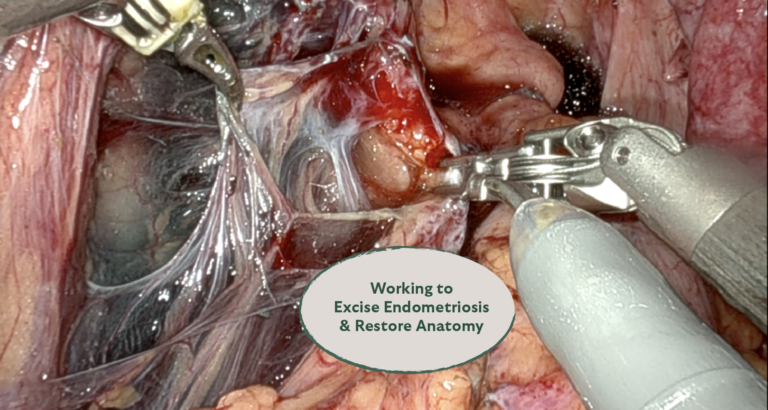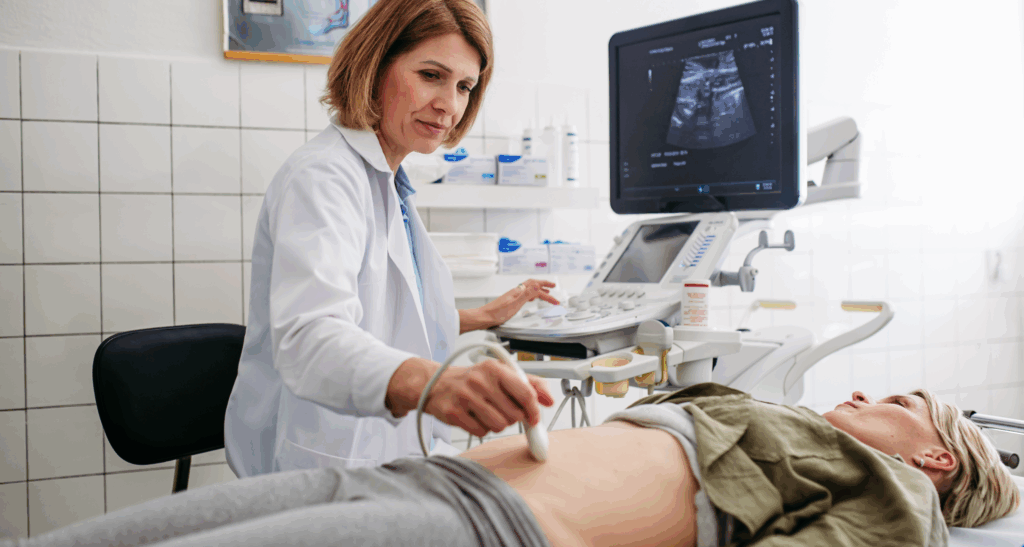
A uterine septum (or septate uterus) is a congenital structural difference in the uterus where a band of tissue divides the uterine cavity. For many, it’s discovered during fertility evaluation or imaging, while for others, it can be linked to pregnancy loss or discomfort with menstruation. At ESSE Care, we offer hysteroscopic metroplasty, a gentle, minimally invasive surgery that reshapes the uterus by removing this tissue, potentially helping improve pregnancy outcomes and ease physical symptoms.
What Is Hysteroscopic Metroplasty?
Hysteroscopic metroplasty—also known as uterine septum resection—is a procedure that removes a septum using a tiny camera called a hysteroscope inserted through the cervix without any incisions. In some cases, laparoscopy (minimally invasive abdominal surgery) is used at the same time for safety and precision. This procedure is performed for patients with:
- Recurrent miscarriage
- Poor pregnancy outcomes (such as preterm delivery)
- Vaginal extension of the septum causing pain with sex or tampon insertion
- Septum discovered during fertility evaluation or other diagnostic procedure
The method is tailored to your anatomy. Most cases are hysteroscopic only. If needed, 2–3 laparoscopic incisions (about 5 mm each) may be made to support the procedure.
What the Science Says About Metroplasty
Research on fertility and obstetrical outcomes after metroplasty is mixed, which makes the decision about whether to have surgery a highly individualized one. A 2022 meta-analysis of scientific literature on hysteroscopic metroplasty found the following:
- Metroplasty may significantly improve live birth rate and lower the chance of miscarriage.
- The evidence for improvements in pregnancy rates and preterm labor rates is unclear, partially due to a low number of high-quality studies on these specific outcomes.
- Outpatient metroplasty is a safe procedure with a low complication rate.
At ESSE Care, we’re here to guide you through this decision with honesty and transparency. Whether or not surgery is needed or desired, you’ll be fully supported in choosing the path that aligns with your goals and values.
Who Might Need This Surgery?
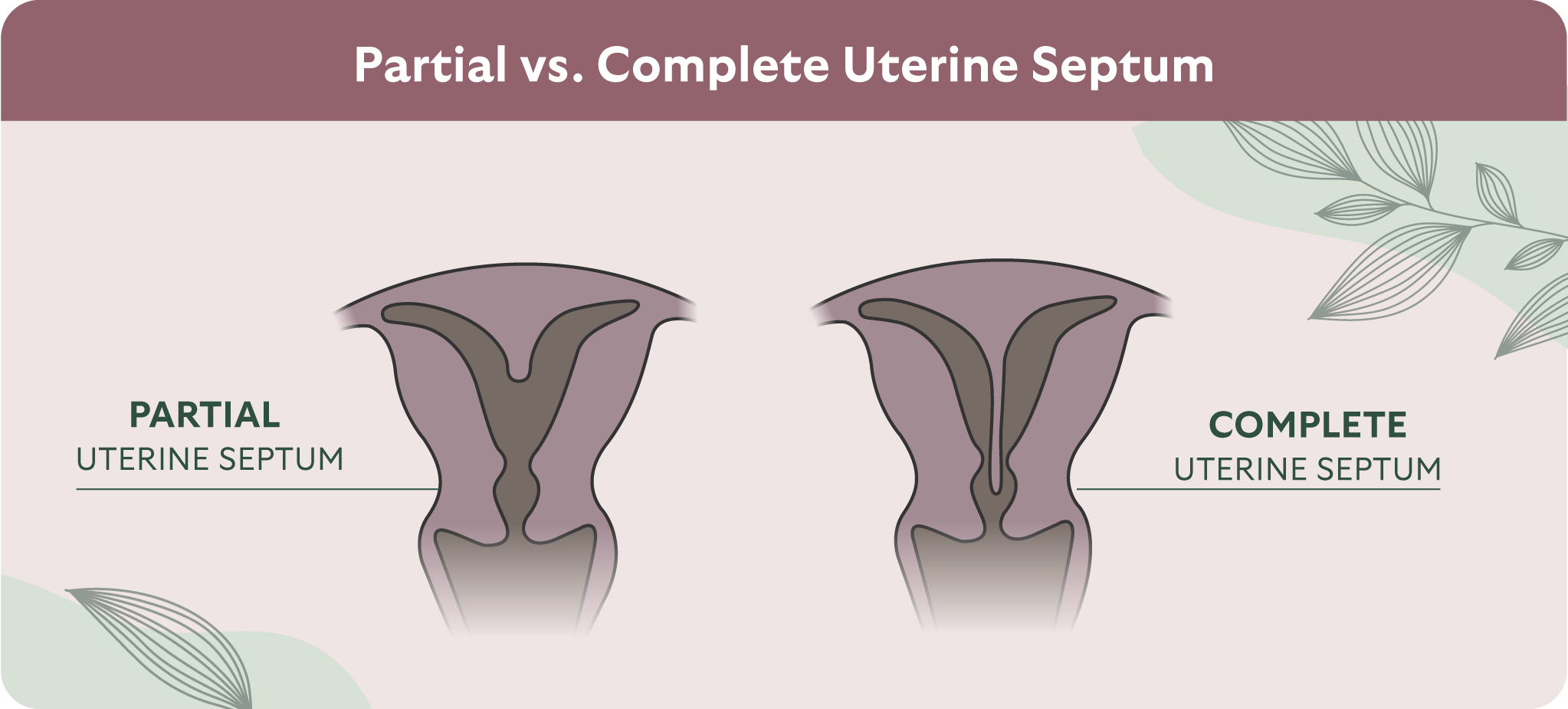
Not all septa are the same. Some are small and cause no issues. Others are large or “complete,” extending through the cervix or vagina and causing noticeable pain or discomfort.
This procedure may be appropriate if:
- You’re struggling to conceive and have been diagnosed with a uterine septum.
- You’ve had repeated pregnancy losses or preterm deliveries.
- You’re experiencing pain or difficulty with tampons due to a vaginal septum.
- You and your fertility doctor or obstetrician decide it is a beneficial preventative measure.
When Might It Not Be Recommended?
Septum removal is a safe procedure, and ESSE Care doctors typically recommend it. However, we leave the decision up to you. We’ll review the size, extent, and shape of your septum alongside your goals before making a recommendation. We can always monitor the condition and make a decision about surgery later.
How Uterine Septum Resection Surgery Is Performed
- A hysteroscope is inserted through the cervix to visualize the inside of the uterus.
- The septum is gently cut using surgical scissors or a loop that uses heat (bipolar energy).
- In more complex cases, laparoscopy may be performed at the same time for maximum effectiveness.
- A small balloon (Foley catheter) may be placed in the uterus post-op to aid with healing.
- Estrogen and/or antibiotics are often prescribed to support healing.
In some cases, a second surgery may be needed:
- If fluid safety limits are reached during surgery, we may have to pause early prior to complete septum removal.
- A large or complex septum sometimes requires staged removal.
We typically recommend follow-up imaging 6 weeks after surgery to confirm complete septum resolution.
Metroplasty Recovery and Aftercare
Typical Recovery Timeline
- Hospital stay: Hysteroscopic metroplasty is an outpatient procedure requiring no hospital stay. In cases requiring laparoscopy, most patients return home the same day.
- Light activity: Within a few days (some may limit activity if a balloon is in place).
- Return to work: Without laparoscopy, you can go to work the following day. Otherwise, you can return to work in about 1 week.
- Full internal healing: 6–8 weeks.
- Sexual activity & tampon use: Avoid until cleared by your care team.
- Medications: Estrogen to promote healing, antibiotics to prevent infection, and pain relief as needed.
What You Might Expect vs. What You Might Actually Feel
Recovery doesn’t always unfold the way we imagine. You may walk into surgery expecting one thing and find that healing surprises you in both challenging and reassuring ways.
Here’s how many of our patients describe their experience:
- “I thought I’d be in a lot more pain.” Most people feel cramping and soreness the first few days, but it’s often manageable with over-the-counter medications. The balloon (if used) can feel awkward or uncomfortable but not necessarily painful. Rest and gentle movement help.
- “I was nervous about going back to work too soon.” It’s common to feel a bit more tired than usual, but many patients feel up to returning to light work within days. If your surgery included laparoscopy, you may need a few more days before resuming full activity.
- “I didn’t expect to feel so emotional.” Whether this surgery follows a fertility journey, pregnancy loss, or years of unanswered questions, it’s okay if the emotional healing takes longer than the physical.
- “I thought I’d feel ‘fixed’ right away.” Healing is gradual. The septum is gone, but your body still needs time to adjust. Your uterus may take 6–8 weeks to fully heal, and even then, it’s normal to still be processing what comes next—especially if you’re preparing for pregnancy.
- “I didn’t know how much I’d appreciate the follow-up.” That post-op visit, the repeat imaging, the chance to ask questions—they matter. Remember, we’re here to help you build trust in your body again.
Risks and Possible Complications
Most patients recover smoothly, but as with any surgery, there are risks. These include but are not limited to:
- Bleeding
- Infection
- Formation of intrauterine adhesions (scar tissue)
- Damage to the uterus
- Damage to other organs
Metroplasty FAQs and Long-Term Outlook
For many, especially those with a history of miscarriage, septum removal can significantly improve birth outcomes. But every patient’s journey is unique.
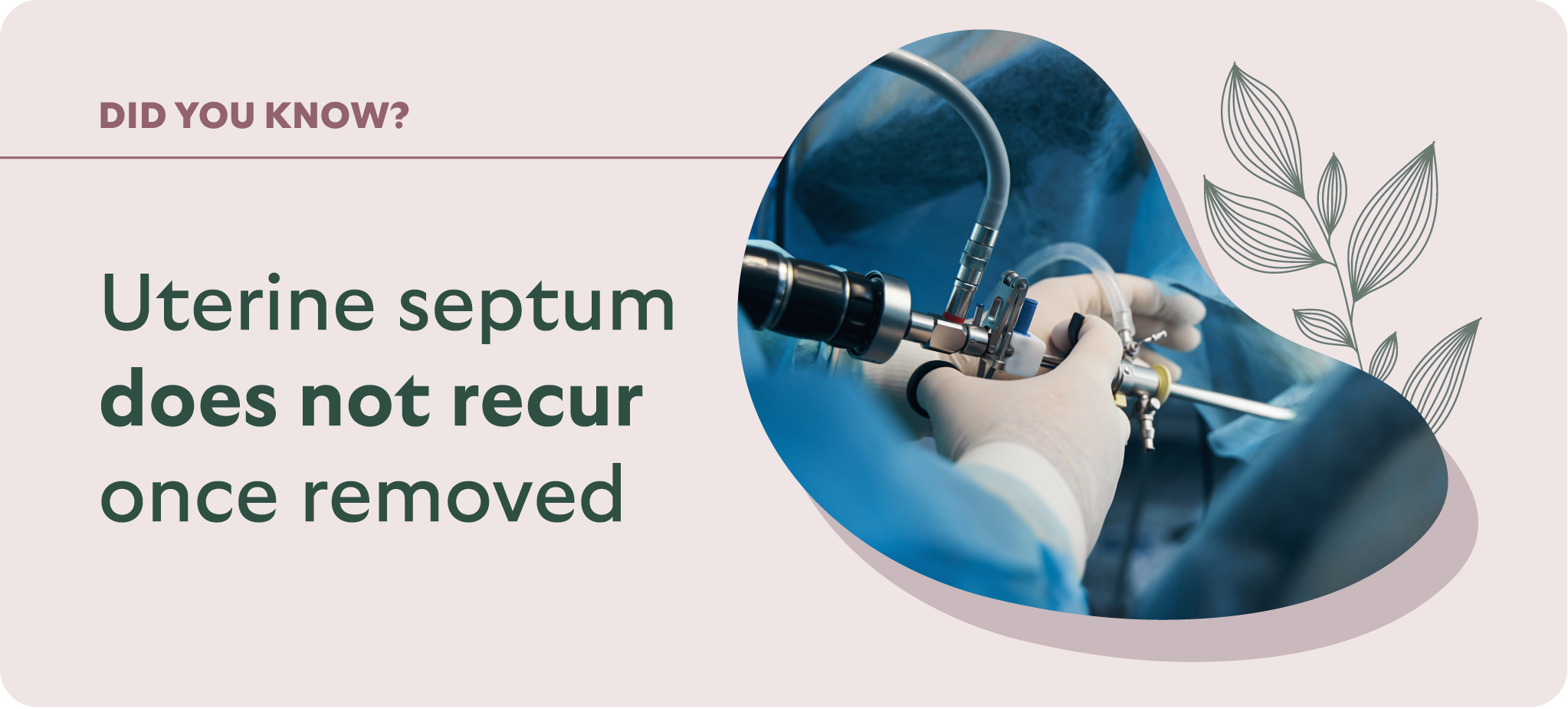
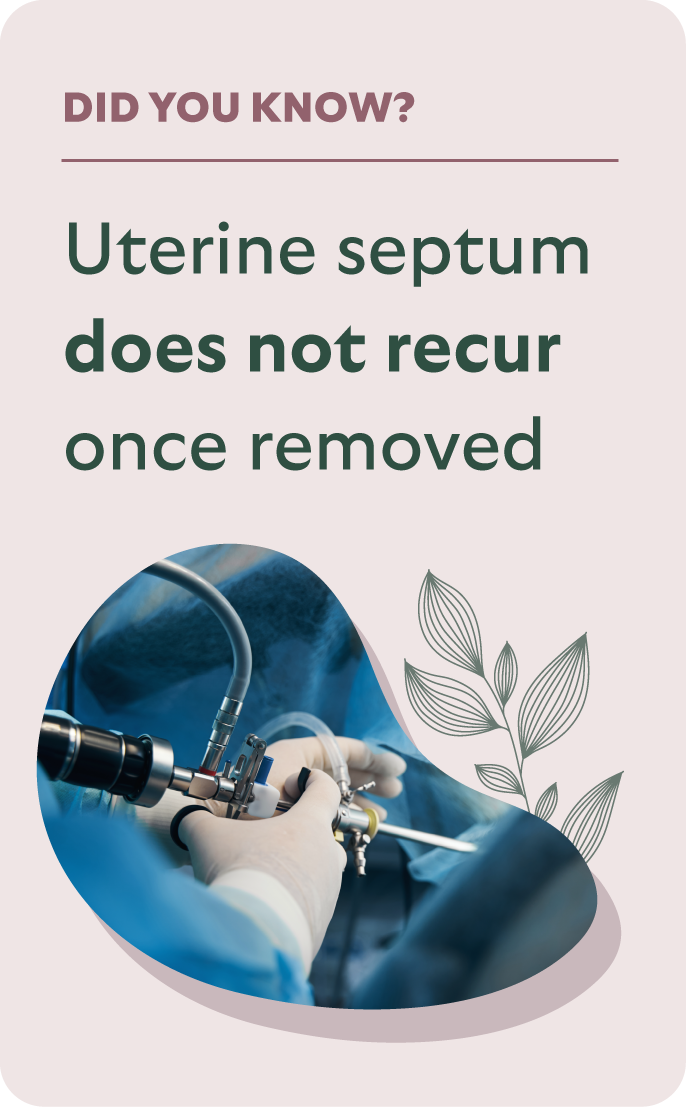
- Can a uterine septum recur? No, once removed, the septum does not grow back or re-form.
- Can pregnancy losses or infertility still occur after surgery? Yes, but the risk is often reduced.
- Will every septum require removal? No—especially if there’s no history of symptoms or pregnancy issues.
Our team works closely with your fertility and OB providers to ensure your care is fully integrated and personalized.
Preparing for Uterine Septum Surgery
Your pre-operative plan may include:
- Imaging: 3D sonogram, saline sonohysterogram (SHG), or MRI.
- Medication review: We’ll let you know what to stop or adjust.
- Lifestyle prep: Hydration, nutrition, and smoking cessation can support healing.
Post-Surgery Support
Follow-up care includes:
- Balloon (Foley) removal after a few days.
- Post-op visit within 1–2 weeks.
- Repeat imaging at around 6 weeks.
- Pelvic floor physical therapy, fertility consultation, and emotional support if desired.
What to Expect from Uterine Septum Surgery at ESSE Care
The ESSE Care team takes a holistic and collaborative approach to every patient’s treatment plan. Surgery is just one piece of your care. We help you understand your condition, make informed choices, and heal with confidence.
You can expect:
- Precision diagnosis with expert imaging.
- Minimally invasive surgery using the safest approach for your body.
- Collaborative care with your fertility and OB providers.
- Ongoing support for healing, fertility planning, and long-term well-being.
If you’ve been diagnosed with a uterine septum or have questions about whether metroplasty is right for you, we’re here to help you navigate the next step with clarity and compassion. Schedule a consultation with the ESSE Care team today.