If your period disrupts your life—forcing you to miss school, cancel plans, or wait for it to be “over” so you can function again—it’s not just a bad month. And it’s not in your head. Painful periods, known as dysmenorrhea, are the most common menstrual complaint among adolescents and young adults, affecting up to 90% of menstruating individuals. But that doesn’t mean they should be ignored.
At ESSE Care, we believe that if period pain is disrupting your life, it deserves thoughtful evaluation and expert care—especially if standard treatments haven’t helped. Pain is not a rite of passage. It’s a signal. And listening to it is the first step toward relief.
Aren’t Painful Periods Just Part of Being a Woman?
Many women are told, “Everyone has cramps” or “You’ll grow out of it.” While some discomfort with menstruation is common, moderate to severe pain that limits daily activity is not normal—it’s a medical concern. According to the American College of Obstetricians and Gynecologists (ACOG), most young people with menstrual pain have primary dysmenorrhea (pain without underlying disease), which may respond well to over-the-counter pain medication and hormonal treatment. But when pain persists despite those treatments, worsens over time, or comes with other symptoms, it may be caused by a condition such as endometriosis, adenomyosis, or an obstructive anomaly of the reproductive tract.
In fact, at least two-thirds of adolescents with pelvic pain that does not respond to standard therapies will be diagnosed with endometriosis at the time of laparoscopy. And yet, delays in diagnosis are common. Adolescents often wait years longer than adults to receive a proper evaluation due to stigma, misdiagnosis, and lack of provider familiarity with how endometriosis appears in young patients.
That’s why a thorough evaluation is so important.
What Does Dysmenorrhea Feel Like?


Period pain presents in many ways. For some, it is the familiar grip of cramps. For others, it’s a constellation of symptoms that ripple through your body. Common features include:
- Cramping or an intense dull ache in the lower abdomen that begins just before or at the onset of bleeding.
- Pain radiating to the lower back, hips, thighs, or even legs.
- Sharp, stabbing sensations or persistent “heavy” pressure.
- Nausea, vomiting, diarrhea, or bowel irritation on or before your period.
- Headaches, dizziness, or faintness associated with the pain.
- Fatigue, mood disturbances, or a sense of dread each month when your cycle begins.
- Pain that keeps you from work, exercise, intimacy, or social life.


According to ACOG, dysmenorrhea is the leading cause of recurrent short-term school absenteeism for adolescent girls. In one study, 12% of adolescents aged 14–20 lost school or work days monthly, and nearly 25% self-medicated without ever discussing their symptoms with a provider.
If your cycle starts to dictate your schedule, then the pattern is speaking loudly.
What Causes Period Pain?


Understanding why period pain occurs begins with recognizing the difference between primary and secondary dysmenorrhea:
- Primary dysmenorrhea arises without identified pelvic pathology. It is caused largely by increased prostaglandins in the uterine lining, which trigger stronger and more frequent uterine contractions and reduce blood flow to the uterine muscle—leading to pain.
- Secondary dysmenorrhea means painful periods are the symptom of an underlying condition—such as endometriosis, adenomyosis, fibroids, pelvic‑inflammatory disease, or scar tissue/adhesions.
At ESSE Care, we often see layers of overlapping causes:
- Endometriosis can cause pain beyond just the period because the tissues outside the uterus respond to hormones throughout the menstrual cycle, leading to bleeding and inflammation that affects various organs and nerves.
- Adenomyosis may enlarge or distort the uterus, disrupt normal contractions, and lead to more intense, longer‑lasting pain.
- The pelvic floor and fascia may respond to chronic monthly pain or inflammation by tightening, spasming, or guarding—making each cycle harder.
- Adhesions or scar tissue—sometimes from surgery, sometimes from inflammation—can restrict organ movement, causing pain with motion, sex, or menstruation, even if basic imaging looks “normal.”
- Sensitization of the nervous system can happen over time. That means your body becomes more responsive to pain signals, even when the original trigger might be subtle.
When multiple factors are present, what looks like “just period pain” is far more complex and requires a nuanced approach.
When Should You See a Doctor for Period Pain?
You should consider reaching out to a specialist team when your situation fits any of the following:
- Your period pain has persisted for more than six months and hasn’t improved with over‑the‑counter painkillers, heat, or rest.
- You regularly miss school, work, and social or intimate moments because of the pain.
- Your pain is accompanied by other symptoms—pain with sex, bladder or bowel changes, heavy bleeding, large clots, or fertility concerns.
- You’ve had imaging and been told “everything looked normal,” yet you still feel broken—and you’ve grown accustomed to thinking the pain is just “how your cycle is.”
- The pain started later than it “should” (for example you were okay in your teens and now it’s getting worse) or your pain is stronger every month.
How Do Doctors Diagnose Painful Periods?


At ESSE Care, we believe that painful periods deserve more than symptom management. We offer expert investigation, surgical skill when needed, and integrative support throughout.
Our approach includes:
- Listening to your story: We take time to understand your pain—when it began, how it affects you, what you’ve tried, and your goals for life, work, fertility, and comfort. You’re more than a chart; you’re a person whose cycle influences everything.
- Detailed examination and targeted testing: We conduct a comprehensive pelvic exam—not just looking for obvious findings but also assessing muscle tone, fascial mobility, and nerve sensitivity. We may recommend a transvaginal ultrasound or MRI when adenomyosis, endometriosis, or other structural issues are suspected.
- Pelvic floor evaluation and collaboration: Chronic pain often leads to pelvic floor tension and guarding. We partner with trusted therapists to unwind these layers and help your body function more normally.
- Long‑term planning and full‑spectrum care: We don’t stop after a single cycle. We monitor progress, adjust treatments, and coordinate with fertility experts or pain specialists if needed. We aim for sustainable relief, not just symptom suppression.
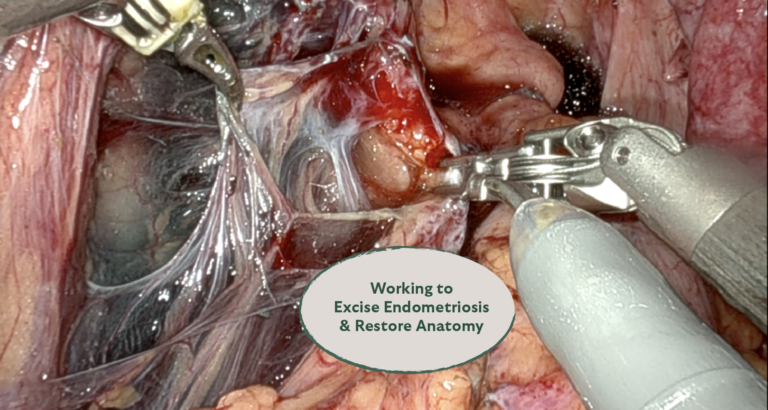
If our investigation suggests primary dysmenorrhea, we focus on symptom‑based strategies such as appropriately timed NSAIDs, hormonal modulation, and lifestyle supports to ease discomfort and restore balance. If secondary causes are suspected or confirmed, we offer minimally invasive surgical options—laparoscopic excision for endometriosis, hysteroscopic removal of polyps or fibroids, and uterine‑preserving approaches for adenomyosis—always guided by your fertility goals and personal priorities.
Beyond medical interventions, we integrate anti‑inflammatory nutrition, pelvic‑floor physical therapy, and mind‑body techniques to support nervous system regulation, all delivered through a trauma‑informed lens. Our goal is to provide care that is both effective and deeply respectful of your whole health.
What You Can Do Right Now to Have a Better Period


While at-home remedies won’t treat an underlying condition like endometriosis or adenomyosis, they can help reduce pain sensitivity and support your body during your cycle. Each of these strategies can be a meaningful part of your self-care plan:
- Apply heat to the abdomen: Heat increases blood flow, relaxes muscle tension, and can reduce the perception of pain. A warm compress or heating pad applied to the lower abdomen is a well-established method to ease menstrual cramps.
- Hydrate: Staying hydrated supports circulation and may help prevent water retention and bloating, which can worsen cramping. Aim for consistent fluid intake throughout your cycle.
- Gentle movement: Low-impact exercise like walking, stretching, or restorative yoga can release endorphins and help regulate the nervous system. It may also ease pelvic floor tightness, which can worsen pain over time.
- Warm baths: Soaking in a warm bath offers full-body muscle relaxation, which is especially beneficial when tension or pain is widespread (including the back or legs). Adding Epsom salts may offer additional relief through magnesium absorption.
- Pain relievers (NSAIDs): Non-steroidal anti-inflammatory drugs, like ibuprofen or naproxen, can reduce prostaglandin production—the hormone-like chemicals that trigger uterine contractions and pain. They’re often most effective when started before peak symptoms. Always consult your provider for dosing and safety.
- Allow time to rest: Menstrual symptoms can be worsened by fatigue and stress. Giving your body permission to slow down—whether through extra sleep, downtime, or emotional rest—can help reduce the overall pain burden.
These strategies are especially helpful as you begin evaluation or are awaiting treatment. If your symptoms are persistent or worsening, or if you’re relying heavily on these supports every cycle, that may be a sign of an underlying condition like endometriosis.
You don’t have to navigate this alone—whole-body care is available, and it starts with being heard. Relief may take time, but pathways exist. And you deserve the one that’s built around you, not the one you were told to accept.
ESSE Care Understands Teens


Teens often face delays in diagnosis for pelvic pain, up to 5.4 years from symptom onset to proper evaluation. Many have been dismissed, told their pain is normal, or discouraged from speaking up. We’re changing that.
Our adolescent GYN visits are built differently:
- You’ll meet providers experienced with teen gynecology and endometriosis.
- We honor your voice, your symptoms, and your story.
- No assumptions, no stigma, no egos.
If you are in your teenage years (or have an adolescent child) and are looking for advice, we provide adolescent-friendly care designed specifically for teens. Our approach is trauma-informed and welcoming, helping teens feel safe opening up about period pain.
You Deserve to Live Beyond Period Pain
When every month comes with fear of the pain, the cycle begins to feel like a barrier to living your life. Painful periods shouldn’t dominate your narrative.
At ESSE Care, we believe your story matters. We see the strength it takes to tolerate pain, the frustration of being told “it’s normal,” and the hope for a different kind of cycle. If you’re ready for a team that listens deeply, investigates thoroughly, and supports you fully—then you’ve arrived at the right place.
Schedule a consultation with one of our doctors today and start your journey to healing.