• Let's Chat
  • Contact Form
× Send

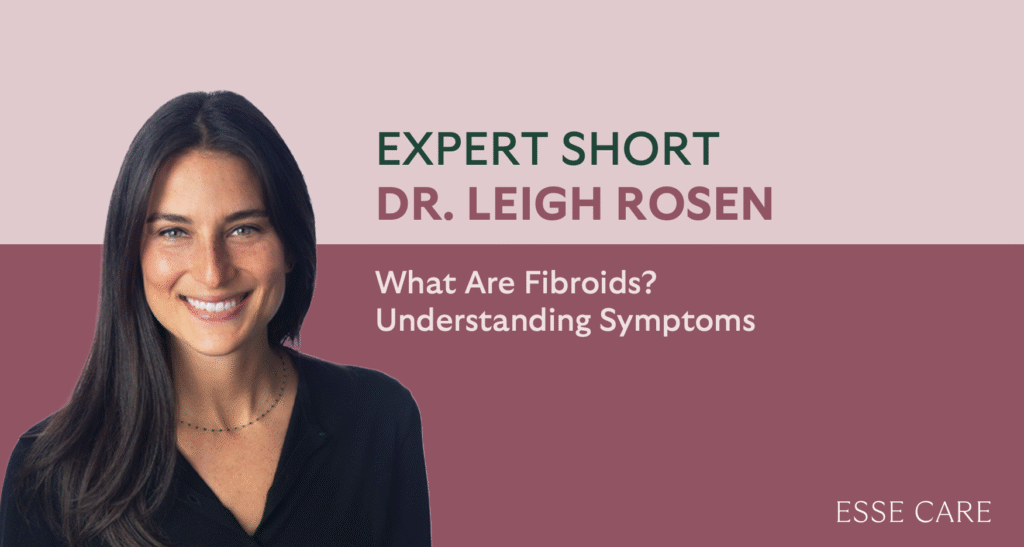
What Are Fibroids? Understanding Symptoms with Dr. Leigh Rosen

Fibroids can cause heavy periods, bloating, and fertility struggles—but many go undiagnosed. Dr. Leigh Rosen breaks down the most common symptoms and when they matter.

What Fibroids Feel Like: Signs You Shouldn’t Ignore

Fibroids are incredibly common, yet many people don’t realize they have them until symptoms begin to interfere with daily life. In this short video, Dr. Leigh Rosen, board-certified OBGYN and minimally invasive gynecologic surgeon, breaks down what fibroids are—and the top signs to watch for.

Fibroids are noncancerous growths that develop in or on the uterus and can present in three major ways:

  • Bleeding symptoms: Heavier periods or unpredictable bleeding throughout the month
  • Bulk symptoms: Bloating, urinary frequency, constipation, and painful sex due to fibroid size or placement
  • Fertility concerns: Fibroids in certain locations can interfere with conception or early pregnancy

If you’re noticing any of these signs, it’s worth reaching out to a specialist.

You deserve clear answers and real options. With coordinated expertise, we help guide your next step with confidence.

Related Article: Inside the OR: Open Hysterectomy for Uterine Fibroids and Stage 4 Endometriosis
Content Page Subscribe Widget
Share this post:

Explore more:

What Is a Salpingectomy and What Should You Know Before Having One
Dr. Leigh Rosen explains what a salpingectomy is, why it may be recommended, and why removing your fallopian tubes does not affect your hormones or put you into menopause.
Read More
What Is Chronic Pelvic Pain and Why Early Treatment Matters
Dr. Amanda Chu explains chronic pelvic pain, its most common causes including endometriosis, fibroids, and adenomyosis, and why early treatment is key to preventing lasting neurologic changes.
Read More
Retained Pregnancy Tissue Is More Common Than Many People Realize
How Does Hysteroscopy Help Treat Retained Pregnancy Tissue?
Retained pregnancy tissue is more common than many people realize. It happens when pregnancy tissue does not fully pass after a miscarriage, pregnancy loss, or delivery.
Read More
What Is a Salpingectomy and What Should You Know Before Having One
Dr. Leigh Rosen explains what a salpingectomy is, why it may be recommended, and why removing your fallopian tubes does not affect your hormones or put you into menopause.
Read More
What Is Chronic Pelvic Pain and Why Early Treatment Matters
Dr. Amanda Chu explains chronic pelvic pain, its most common causes including endometriosis, fibroids, and adenomyosis, and why early treatment is key to preventing lasting neurologic changes.
Read More
What Is a Salpingectomy and What Should You Know Before Having One
Dr. Leigh Rosen explains what a salpingectomy is, why it may be recommended, and why removing your fallopian tubes does not affect your hormones or put you into menopause.
Read More
What Is Chronic Pelvic Pain and Why Early Treatment Matters
Dr. Amanda Chu explains chronic pelvic pain, its most common causes including endometriosis, fibroids, and adenomyosis, and why early treatment is key to preventing lasting neurologic changes.
Read More
Retained Pregnancy Tissue Is More Common Than Many People Realize
How Does Hysteroscopy Help Treat Retained Pregnancy Tissue?
Retained pregnancy tissue is more common than many people realize. It happens when pregnancy tissue does not fully pass after a miscarriage, pregnancy loss, or delivery.
Read More