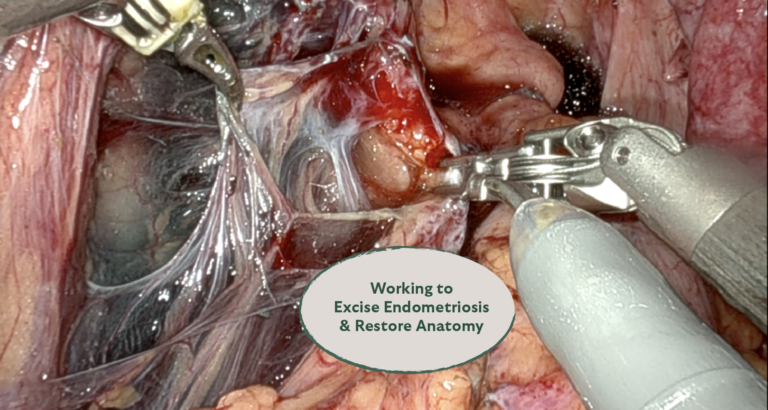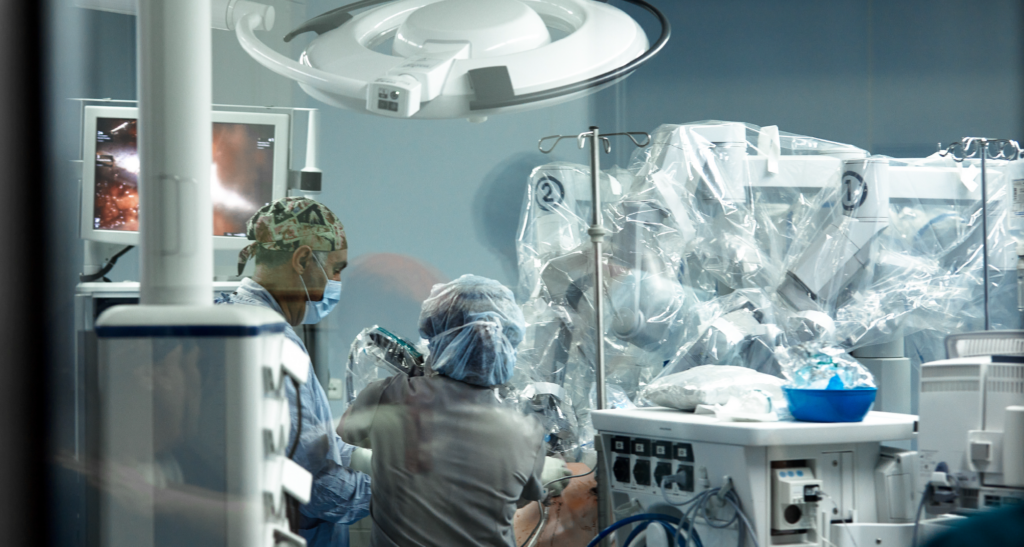
ESSE Care is proud to be an innovative leader in the use of robotic technology for minimally invasive gynecologic surgery. Recently, our team was honored to attend Connect 2026, a powerful peer-to-peer education event for surgeons, care teams, and hospitals hosted by Intuitive, maker of the da Vinci robotic surgical system our doctors use at Northwell Health.
This year’s conference marked the unveiling of the da Vinci 5 system, alongside a broader shift toward fully integrated, data-driven surgical care. The discussions focused on how robotics, real-time collaboration, and surgical data are actively reshaping how complex gynecologic conditions are treated.
Here are the key insights and what they mean for the future of healthcare and patient outcomes.
1. The da Vinci 5representsa fully integrated surgical ecosystem.

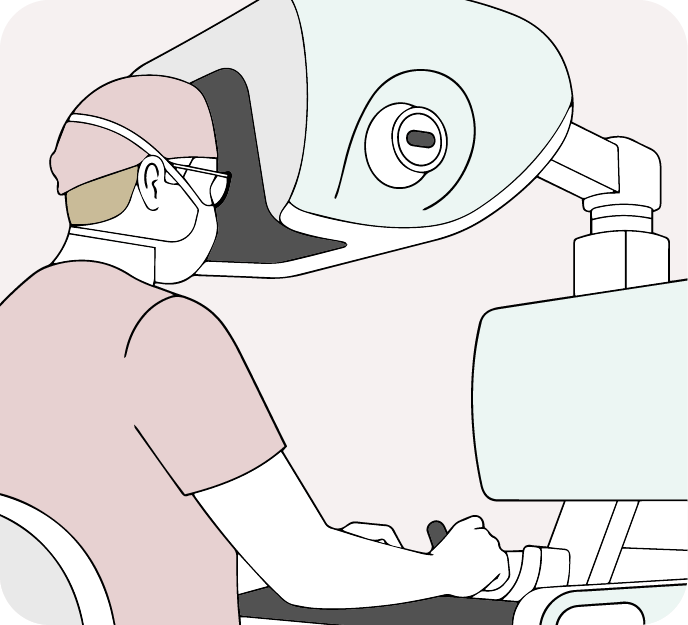
A central takeaway is that the DV5 is not just an upgraded robotic system. It introduces a connected surgical infrastructure that integrates video capture, performance metrics, and intraoperative data into one platform.
Surgeries can now be recorded in full, allowing surgeons to return to specific moments within a case for deeper review and analysis.
What this means in practice:
- Greater visibility into surgical decision-making
- The ability to review and refine technique over time
- More structured, data-informed approaches to complex procedures
This reflects a broader movement toward data-driven surgery, which has been shown to improve the predictability of surgical quality patient outcomes.
2. Force feedback begins to close a critical gap in robotic surgery.

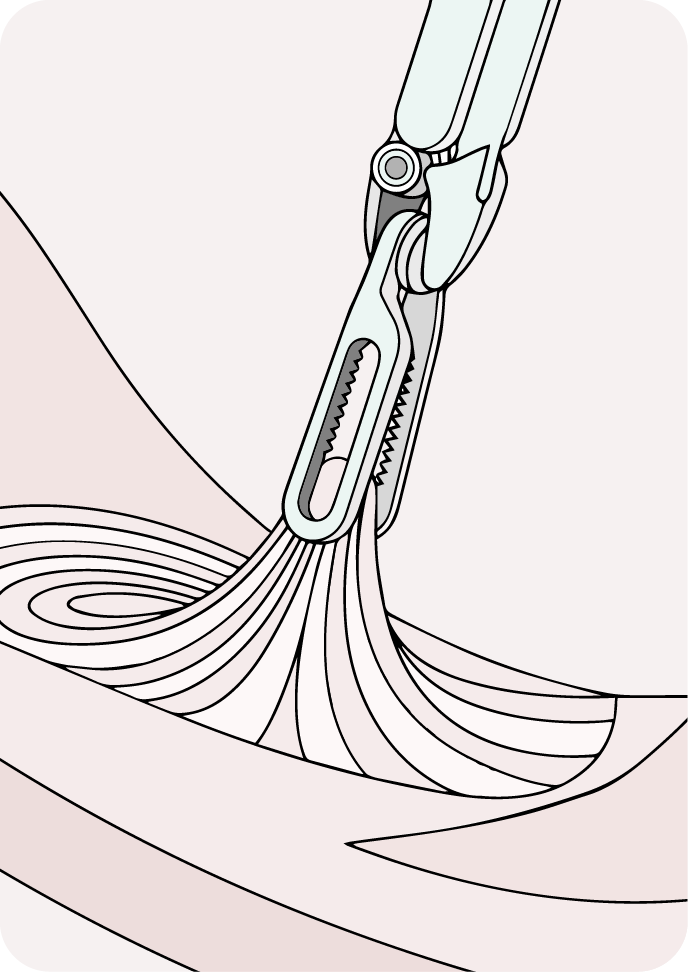
One of the most discussed advancements was the introduction of forced feedback, allowing surgeons to feel the push and pull at the instrument tip, which has historically been absent in robotic platforms.
In traditional laparoscopy, surgeons rely on tactile sensation to assess tissue resistance and minimize force on tissue. The da Vinci 5 introduces early-stage haptic feedback designed to simulate that sensation.
Overall, this physical feedback supports more controlled and intentional surgical movements. This is especially important in conditions like endometriosis, where fibrosis can significantly alter tissue planes. It also enhances safety when operating near vulnerable organs like the bowel, bladder, and ureters.
3. Enhanced visualization improves recognition of endometriosis lesions.
Endometriosis lesions are often subtle, varied in appearance, and easily missed without optimal imaging. The new system includes advancements in visualization—including better resolution, more realistic depth perception, and truer colors—that directly impact the ability to identify diseased tissue. Patients can expect improved detection of small or atypical lesions, more complete excision of endometriosis, and better long-term symptom management.
In endometriosis surgery, studies show that more complete excision is associated with better pain, quality-of-life, and fertility outcomes.
4. Real-time virtual consultation is now possible during surgery.
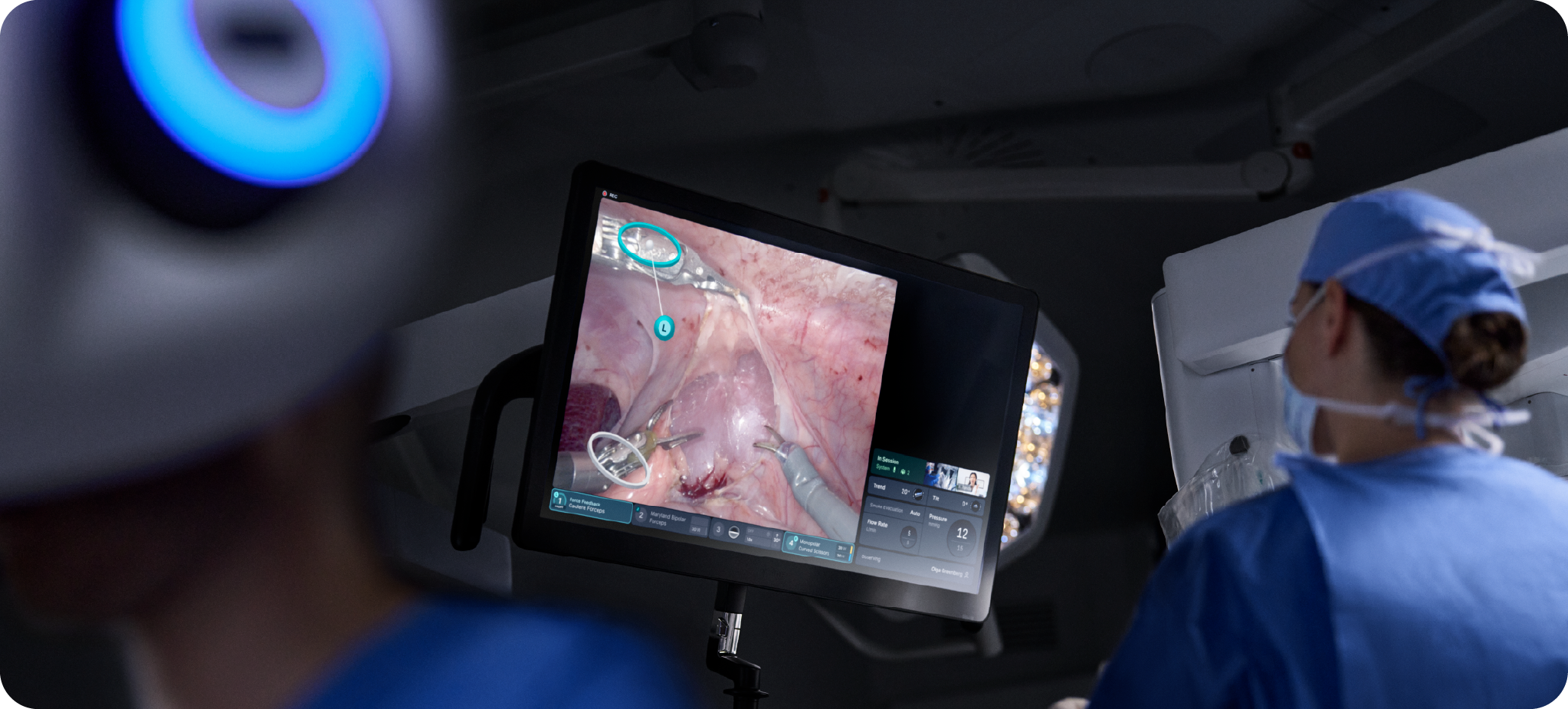
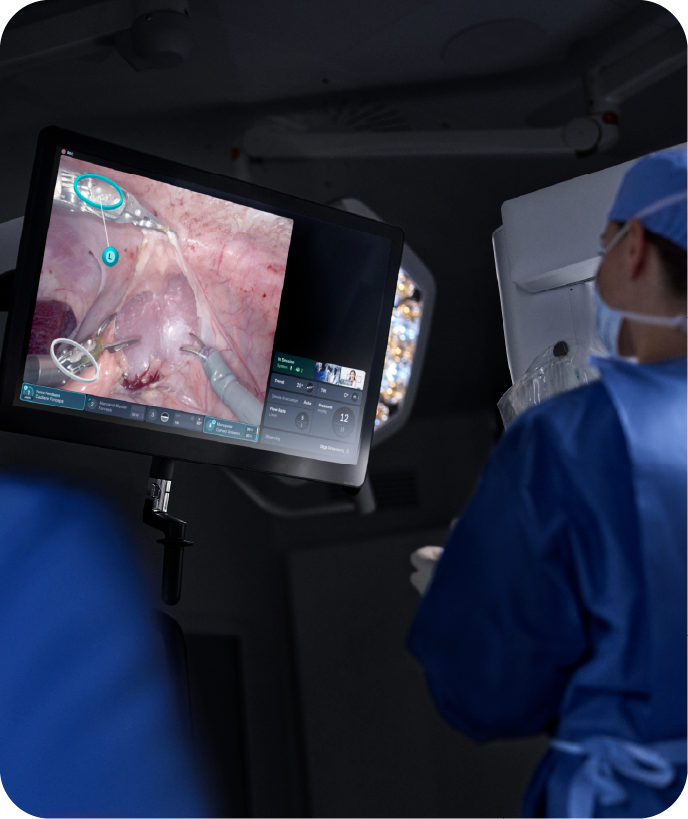
A significant innovation within this ecosystem is the ability to bring another surgeon into a case remotely.
If a complex or unexpected situation arises, a colleague can join the procedure virtually and provide immediate input. In addition, recorded cases allow surgeons to revisit specific surgical moments and share them for feedback.
This model reflects a growing emphasis on collaborative care in surgery, which has the potential to improve patient safety in complex cases where real-time second opinions can lead to immediate intervention.
5. Surgical data tracking is expanding, with important limitations.
The platform introduces detailed tracking of surgical metrics, including instrument usage and task duration. For example, surgeons can evaluate how long specific portions of a procedure take and assess patterns in their own performance.
Current benefits include:
- Greater insight into individual surgical efficiency
- Ability to track consistency across similar procedures
- Structured opportunities for ongoing improvement
At the same time, variability in disease complexity, particularly in endometriosis, means that these metrics must be interpreted carefully. Not all cases are comparable, and continued refinement of how this data is used will be essential.
What This Means for Your Care
The innovations presented at Intuitive Connect 2026 reflect meaningful changes in how gynecologic surgery is evolving. If you are navigating conditions such as endometriosis, fibroids, or chronic pelvic pain, these advancements may impact your care in several ways:
- More precise surgery: Technologies like force feedback support safer dissection in delicate areas.
- Improved detection: Enhanced visualization may allow for more complete identification of disease.
- Collaborative expertise: Surgeons can access real-time input during complex procedures.
- Continuous refinement: Data-driven insights support ongoing improvement in surgical technique.
At ESSE Care, our work within Northwell Health and participation in meetings like Intuitive Connect ensures that our patients benefit from the most advanced approaches in minimally invasive gynecologic surgery.
Our focus remains clear: delivering highly specialized, thoughtful care grounded in both innovation and deep expertise in complex pelvic disease.
Want to learn more about whether robotic surgery is an option for you? Schedule a case review with an ESSE Care surgeon today.