Learning that you have uterine fibroids can lead to various conflicting emotions: relief at finally having a diagnosis for your symptoms—but also worry about what comes next. There is no one-size-fits-all treatment plan for fibroids, but laparoscopic myomectomy is a popular option for women experiencing uncomfortable or disabling symptoms related to their fibroids.
Video: What Is a Myomectomy—and Which Type Is Right for You? with Dr. Leigh Rosen
What Is a Laparoscopic Myomectomy?
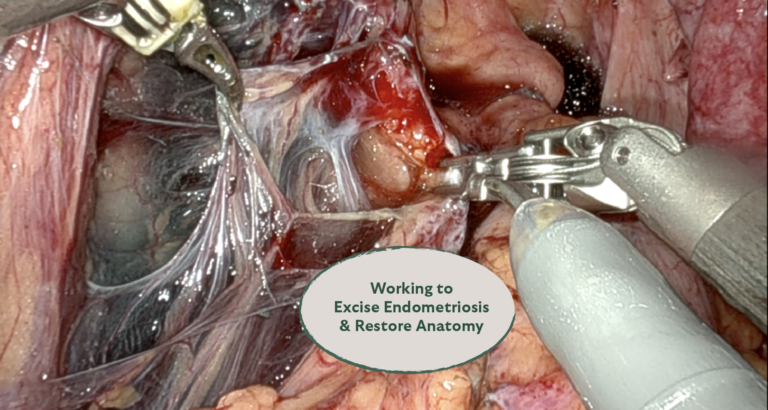
Myomectomy is the term for the surgical removal of fibroids (myomas), but there are several methods for performing this procedure. Laparoscopic myomectomy is a minimally invasive surgical procedure where a camera (laparoscope) is inserted through a small incision in the abdomen to visualize the fibroids and allow doctors to remove them. In some cases, surgeons may use a robotic arm to aid in the fibroid removal; this is called robotic-assisted laparoscopic myomectomy.
Who Is a Candidate for Laparoscopic Myomectomy?
Not all fibroids are created equal—and neither are the surgical approaches for removing them. Laparoscopic myomectomy is often recommended for those seeking symptom relief while preserving the uterus, but whether it’s right for you depends on several factors that guide surgical planning:
- Age and fertility status
- Location, size, and number of fibroids
- Presence of conditions like adenomyosis or endometriosis
- History of prior abdominal or pelvic surgery
- Surgeon’s experience with advanced laparoscopic techniques
If fibroids are very large, numerous, or deeply embedded, an open myomectomy may be the safer and more effective approach to ensure complete removal and uterine repair.
Is Laparoscopic Myomectomy a Major Surgery?
Although laparoscopic myomectomy is considered minimally invasive, it still involves general anesthesia and several hours in the operating room. Most patients are able to return home the same day or within 24 hours, depending on how they’re feeling postoperatively.
Recovery varies from person to person. Many individuals are able to resume light activity within a few days, but full internal healing typically takes several weeks to months—especially if multiple or large fibroids were removed. Your care team will guide you through what to expect during recovery and how to best support your healing.
How Is a Laparoscopic Myomectomy Performed?
Laparoscopic myomectomy is a minimally invasive surgery typically performed through several small incisions on the abdomen. The specific approach depends on the size and location of the fibroids, as well as the overall surgical plan.
Minimally Invasive Abdominal Access
For fibroids located within the uterine wall (intramural) or on the outer surface (subserosal), laparoscopic myomectomy is a common option.
- Surgeons make three or four small incisions on the abdomen to insert a camera and instruments.
- The fibroids are carefully removed through an incision on the abdomen or vaginally while preserving healthy uterine tissue.
- This approach reduces postoperative pain, minimizes scarring, and supports faster recovery compared to open surgery.
Vaginal Removal via Colpotomy
During a laparoscopic myomectomy, fibroids can be removed either through the small incisions on the abdomen or through the vaginal canal using a technique called colpotomy. A discreet incision is made at the top of the vaginal canal, behind the cervix, allowing fibroids to be removed without enlarging abdominal incisions.
Another Option: Hysteroscopic Myomectomy (No Incisions)
When fibroids are located within the uterine cavity (submucosal), they can often be removed with hysteroscopy.
- A thin camera is inserted through the vagina and cervix into the uterus—no abdominal incisions required.
- Best suited for small, cavity-distorting fibroids that cause heavy bleeding or infertility.
- Typically an outpatient procedure with minimal downtime.
Laparoscopic Myomectomy vs. Open Myomectomy: Which Is Better?
Video: When to Consider Fibroid Surgery with Dr. Leigh Rosen
When it comes to laparoscopic versus open myomectomy, which method is better depends on your specific circumstances and goals. Because very large or numerous fibroids may not be able to be removed laparoscopically, open myomectomy is sometimes the only option.
Laparoscopic myomectomy is associated with less pain and shorter hospital stays compared to open abdominal myomectomy—which requires a much larger incision—so it is a more attractive choice for many patients.Most patients return home the same day or the next day, and early movement is encouraged to ease gas pain and support healing. With that said, coordination with plastic surgeons can help optimize incisions for open myomectomy procedures and match your aesthetic goals.
When Is Laparoscopic Myomectomy a Good Fit?
Minimally invasive surgery is often preferred when fibroids are moderate in size and number and can be accessed safely with laparoscopic tools. This method involves three to four small abdominal incisions (most less than 1 cm), resulting in less pain, shorter recovery, and minimal scarring. It’s especially well-suited for patients who wish to preserve fertility or want to avoid a larger abdominal incision.
When Might Open Myomectomy Be Recommended?
Open (abdominal) myomectomy may be necessary when fibroids are extremely large, deeply embedded, or numerous. If imaging suggests that not all fibroids can be safely removed with laparoscopic tools—or if significant uterine reconstruction is needed—an open approach may be preferred. Prior abdominal surgeries or dense scar tissue can also make laparoscopic access more difficult.
Why Careful Planning Matters
The goal of any myomectomy is to fully remove fibroids, relieve symptoms, and restore the uterus as completely as possible. While minimally invasive options are ideal in many cases, they are not always the safest or most effective. Your surgical team should explain why a particular approach is recommended based on your imaging and overall health. If you’re unsure or feel your concerns weren’t addressed, it’s worth seeking a second opinion to ensure you’re receiving the most thorough and thoughtful care.
Complications and Risks of Laparoscopic Myomectomy


Although it is generally considered a safe procedure when performed by a trained gynecological surgeon, laparoscopic myomectomy comes with the risk of possible complications, including but not limited to:
- Blood loss: This is the most significant and common risk associated with myomectomy surgery. Many fibroid patients are already anemic due to chronic heavy periods, so doctors must take care to minimize further blood loss during and after surgery. In cases where major blood loss is a concern and patients don’t desire future fertility, hysterectomy (removal of the uterus) may be the safer option.
- Adhesions (scar tissue): Myomectomy surgery can result in bands of scar tissue on organs, including the uterus, bowels, and bladder, that lead to inflammation and complications later on. Fewer adhesions are expected with laparoscopic myomectomy compared to open myomectomy.
- Pregnancy complications: Depending on the size and depth of uterine incisions required to remove fibroids, patients may be at risk for uterine rupture during labor. Your OB/GYN may recommend a planned Cesarean section to reduce this risk.
While there are always risks with surgery, fibroids themselves can cause both blood loss and pregnancy complications, so it’s important to weigh the risk of surgery against the risk of doing nothing.
Video: How Do You Prevent Scar Tissue After Fibroid Surgery?
Recovery Time for Laparoscopic Myomectomy
Most patients can go home from the hospital the same day or the next day after laparoscopic myomectomy. Your surgeon will discuss recovery guidelines specific to your case, but general recommendations include:
- Gentle walking and moving around to release gas pain from laparoscopy (this may take about three days or more to dissipate fully)
- No heavy lifting, intense cardio, or abdominal exercises for six weeks after surgery
- Anti-inflammatory and/or pain medication
- Laxatives and stool softeners to help with post-anesthesia sleepy bowels
- Bland, easily tolerated diet to avoid upset stomach and gas pain
You can generally return to normal activity faster with a laparoscopic myomectomy than an open myomectomy, but it still takes several weeks to recover fully. Remember to take it easy and check in with your surgeon if you have questions or concerns.
Laparoscopic Myomectomy Success and Recurrence Rates


One year after myomectomy surgery, 80% of patients show improvement in pelvic pain symptoms, 82% are satisfied with the postoperative results, and reported quality of life improves. That means that, with the right surgical team on your side, chances are high that you’ll be glad you had a myomectomy.
It’s important to know, however, that myomectomy surgery of any kind does not prevent future fibroids—it only removes existing ones. Research shows that 15%-33% of fibroids regrow after removal surgery. Recurrence is more likely if you:
- Are less than 35 years old
- Do not give birth after surgery
- Have fewer/smaller fibroids
If Fibroids Return, You Still Have Options
Fibroid recurrence doesn’t mean your previous surgery wasn’t successful. Many patients experience long-term relief before any new growth appears.
If fibroids do return, your care team can reassess with imaging and recommend next steps based on your symptoms and goals—whether that’s monitoring, medical management, or another procedure.
Is Laparoscopic Myomectomy Right for You?
At ESSE Care and Wellness, Dr. Karli Provost Goldstein and Dr. Leigh Rosen are trained in advanced laparoscopic surgery for the treatment of fibroids and other pelvic diseases. During your consultation, your doctor will review the types of fibroids you have based on imaging results and may order additional imaging, such as an MRI, to assess any other existing pelvic diseases.
You can trust our experts to help you find the right path forward. Contact ESSE Care today to schedule a consultation for laparoscopic myomectomy.