Many people living with uterine fibroids are left navigating a confusing and often frustrating journey. You may have been told your symptoms are “normal,” offered short-term fixes like birth control, or encouraged to consider major surgery without fully understanding your options. Meanwhile, the pain, heavy bleeding, infertility or pressure continues disrupting your life, your relationships, and possibly your plans for the future.
Fibroids are common, but that doesn’t mean they should be dismissed. You deserve care that addresses the root cause, protects your fertility (if that’s a priority), and helps you feel empowered in your decisions.
Understanding Fibroids and Why Specialist Care Matters
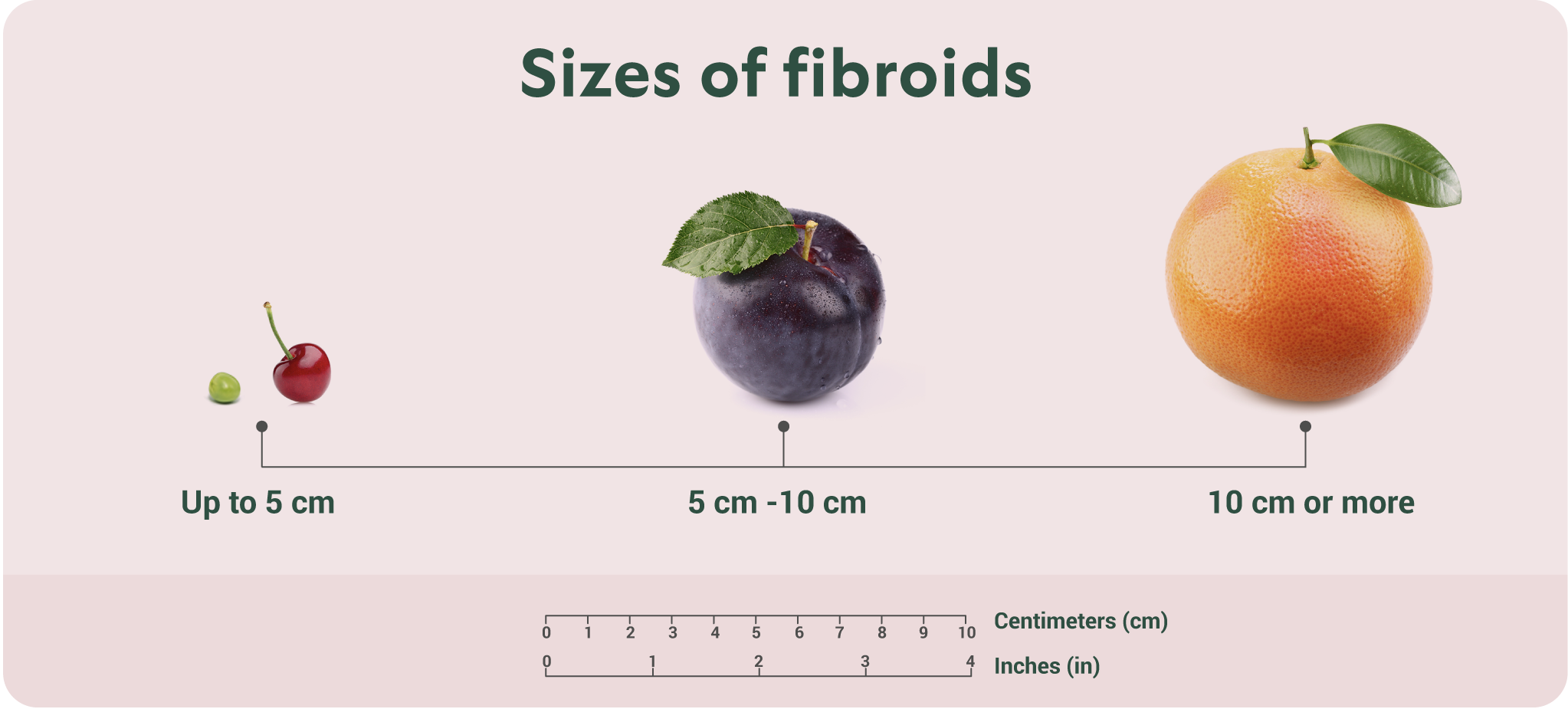
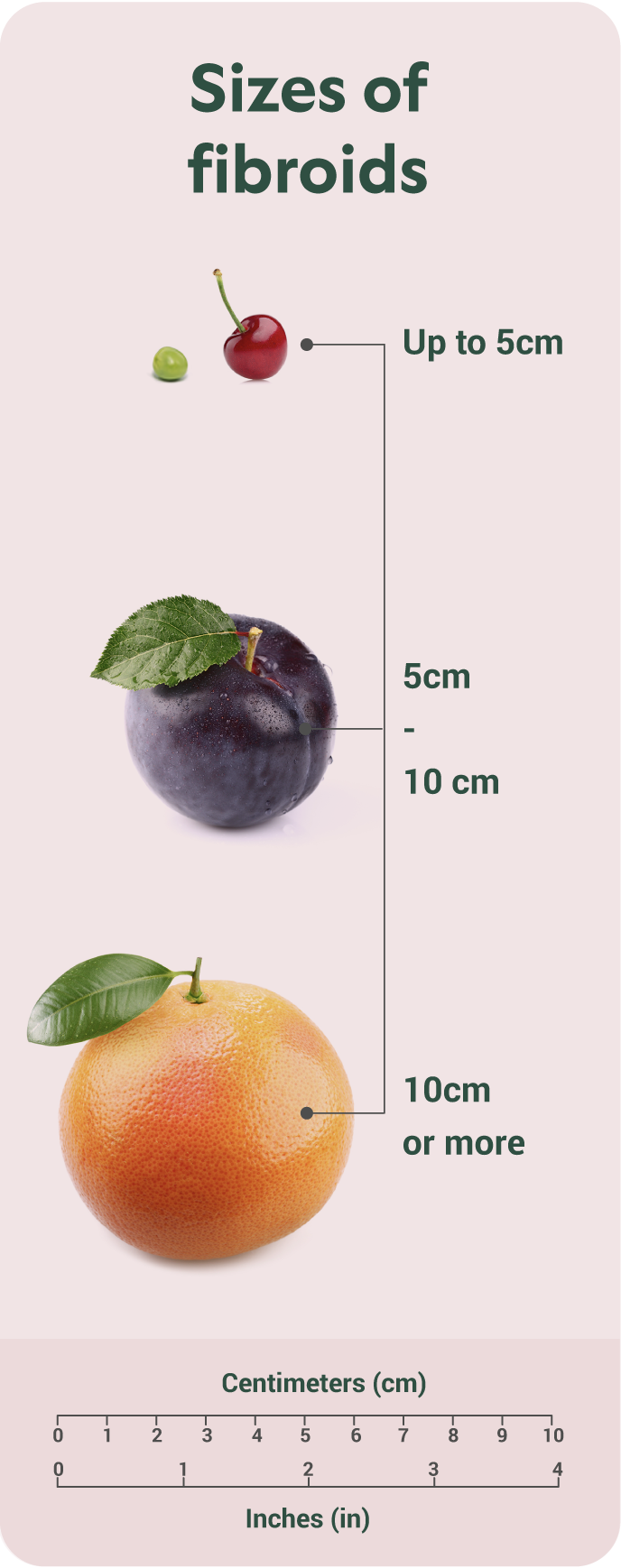
Uterine fibroids (also called leiomyomas or myomas) are non-cancerous tumors that grow in the uterus. They can range in size from a grain of rice to a grapefruit—or larger.
- Small fibroid – Up to 5 cm (Size of a pea to a cherry)
- Medium fibroid – 5 cm –10 cm (Size of a plum to a large orange)
- Large fibroid – 10 cm or more (Size of a grapefruit and larger)
Some fibroids cause no symptoms at all. Others can lead to disrupting changes in your daily life. Symptoms present themselves in three major ways:
- Bleeding symptoms: Heavier periods or unpredictable bleeding throughout the month
- Bulk symptoms: Bloating, urinary frequency, constipation, and painful sex due to fibroid size or location
- Fertility concerns: Fibroids in certain locations can interfere with conception or pregnancy
Video: What Are Fibroids? Understanding Symptoms with Dr. Leigh Rosen
Note: Many people with fibroids are told their symptoms are “normal” or dismissed entirely. If your symptoms are interfering with your life, that’s reason enough to seek care.
Who You Might See Before a Fibroid Specialist
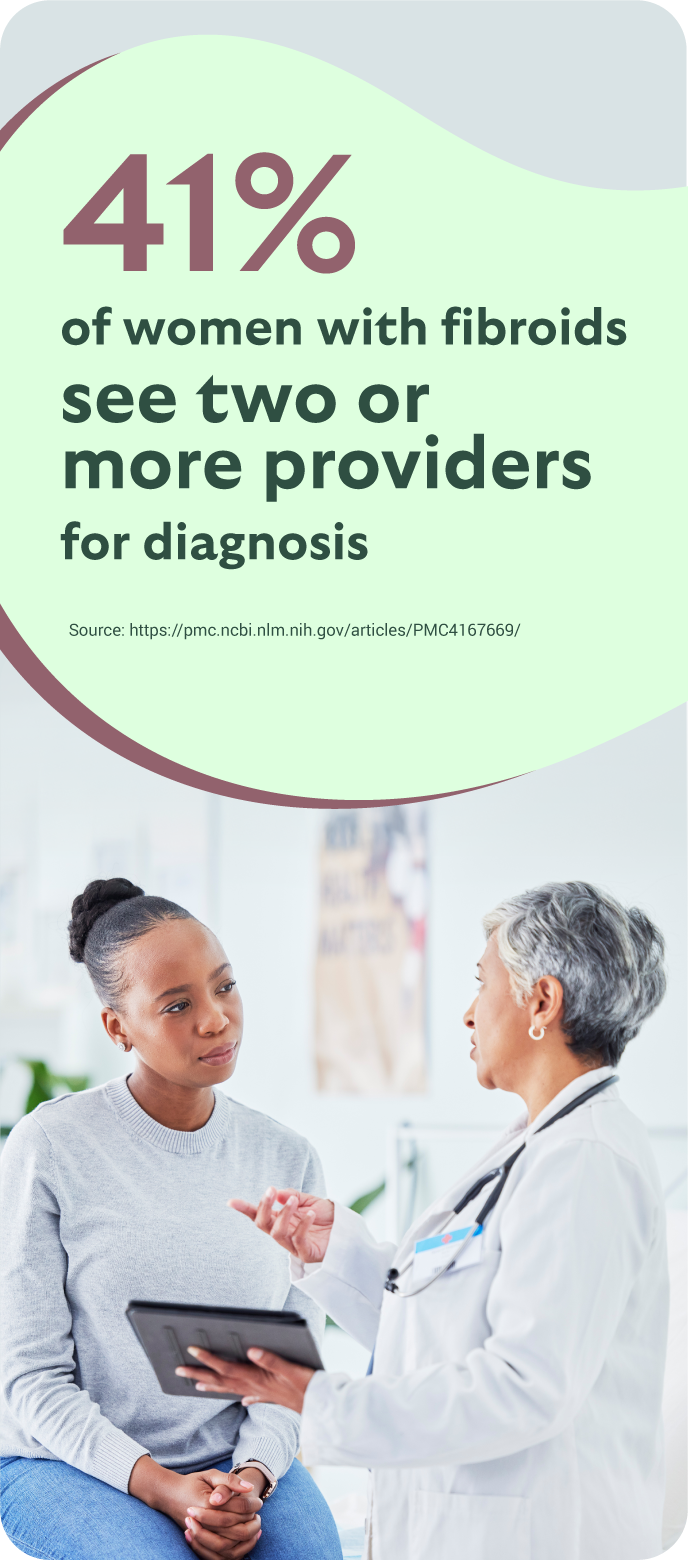
Primary Care Providers
Primary care doctors are often the first to hear about heavy periods, pelvic pressure, or fatigue. They might order labs or an ultrasound to rule out other conditions and check for anemia. While they can initiate basic evaluation, primary care providers typically aren’t trained to assess complex pelvic anatomy or distinguish fibroids from other causes of bleeding and pain.
General OB/GYNs
General OB/GYNs often diagnose fibroids during pelvic exams or ultrasounds. Common recommendations might include IUDs, birth control pills, or hysterectomy. Many do not offer advanced surgical options like minimally invasive myomectomy and may not be equipped to remove large or difficult-to-access fibroids. For patients wanting the full spectrum of treatment options, we recommend visiting a specialist as soon as possible if you’re diagnosed with uterine fibroids.
Fertility Specialists (REIs)
Reproductive endocrinologists, also known as reproductive endocrinology and infertility specialists or REIs, may detect fibroids during fertility evaluations, particularly if they distort the uterine cavity. They might say that a fibroid could be affecting implantation and suggest surgical input before IVF. While they are experts in conception and hormone protocols, fertility specialists do not typically treat fibroids themselves and may not address fibroids unless they are directly linked to implantation issues.
Fibroid Specialists
Fibroid specialists have advanced training in minimally invasive gynecologic surgery, giving them the expertise to suggest a wide range of treatment protocols for uterine fibroids. These include medical management, interventional radiology procedures, and surgical procedures. When you meet with a fibroid specialist, your doctor will ask about your symptom history and fertility goals and likely perform an exam. After the initial consultation and any necessary imaging (such as an MRI), the specialist will present various treatment options to you based on your specific situation and needs.
When Should You See a Fibroid Specialist?
In our opinion, it’s best to see a fibroid specialist when either of the following situations has occurred:
- You are experiencing the signs and symptoms (bleeding and bulk explained above) of uterine fibroids but have not received a diagnosis from a current provider.
- A non-specialist provider (primary care doctor, OB/GYN, etc.) has said you may have fibroids or has officially diagnosed you.
Because the treatment for uterine fibroids varies based on the size and location of the fibroids, the goals of the patient, and the presence of other conditions like endometriosis and adenomyosis, it’s important to see a specialist as soon as possible to receive the best care.
Road to Diagnosis and Surgical Treatment for Uterine Fibroids
Below is an example of what your path to fibroid diagnosis could look like. As explained in the section above, we recommend seeing a fibroid specialist as soon as you suspect uterine fibroids to be the cause of your symptoms. Depending on your insurance plan, you may need to get a referral from another provider, or you may be able to make an appointment with a specialist on your own.
| Step | What It Involves | Why It Matters |
|---|---|---|
| 1. Symptom Onset | Heavy bleeding, pelvic pain, pressure, frequent urination, constipation, infertility or bloating | First signs that may indicate fibroids |
| 2. Initial Visit | Evaluation by PCP, OB/GYN, or REI; basic labs and pelvic exam | Rule out other causes, check for anemia |
| 3. Specialist Referral | Referral to gynecologic surgeon or fibroid specialist for expert evaluation | Specialists have advanced training and can offer full spectrum of treatment options |
| 4. Pelvic Ultrasound | Transvaginal or abdominal ultrasound | First-line imaging to detect fibroids |
| 5. Advanced Imaging | MRI or saline sonohysterogram (SIS) | Map fibroid size, number, and position more precisely |
| 6. Treatment Planning | Review symptoms, imaging, and goals (e.g., fertility, pain relief) | Choose the best management path |
| 7. Treatment Options |
|
Tailored to symptoms, fibroid type, and patient goals |
| 8. Recovery & Support | Follow-up care, symptom tracking, fertility counseling, integrative support | Ensure healing, prevent recurrence |
Fibroid Treatment Options to Know About
The fibroid specialists at ESSE Care specialize in minimally invasive, fertility-conscious treatment options that go far beyond “watch and wait.” Depending on the size, location, and symptoms related to your fibroids, treatment options may include:
- Hysteroscopic myomectomy: Fibroids are visualized and removed through the vagina, avoiding the need for abdominal incisions. This procedure is best suited for submucosal fibroids located just inside the uterine lining.
- Laparoscopic or robotic myomectomy: Fibroids within the uterine wall are removed through small incisions in the abdomen.
- Open abdominal myomectomy: In cases of very large or numerous fibroids, open abdominal surgery may be the best option. Consulting with plastic surgeons can help patients address aesthetic goals at the same time.
- Transcervical fibroid ablation (TFA): A non-invasive, incision-free treatment for eligible candidates. TFA used radiofrequency waves to heat fibroid cells and shrink them.
- Hysterectomy (open or laparoscopic): Removal of the uterus may be recommended when all fertility goals have been met or when symptoms are severe and persistent.
- Uterine fibroid embolization: A non-invasive procedure performed by interventional radiologists to help block blood flow to the fibroids and help them shrink.
How to Advocate for the Fibroid Care You Deserve
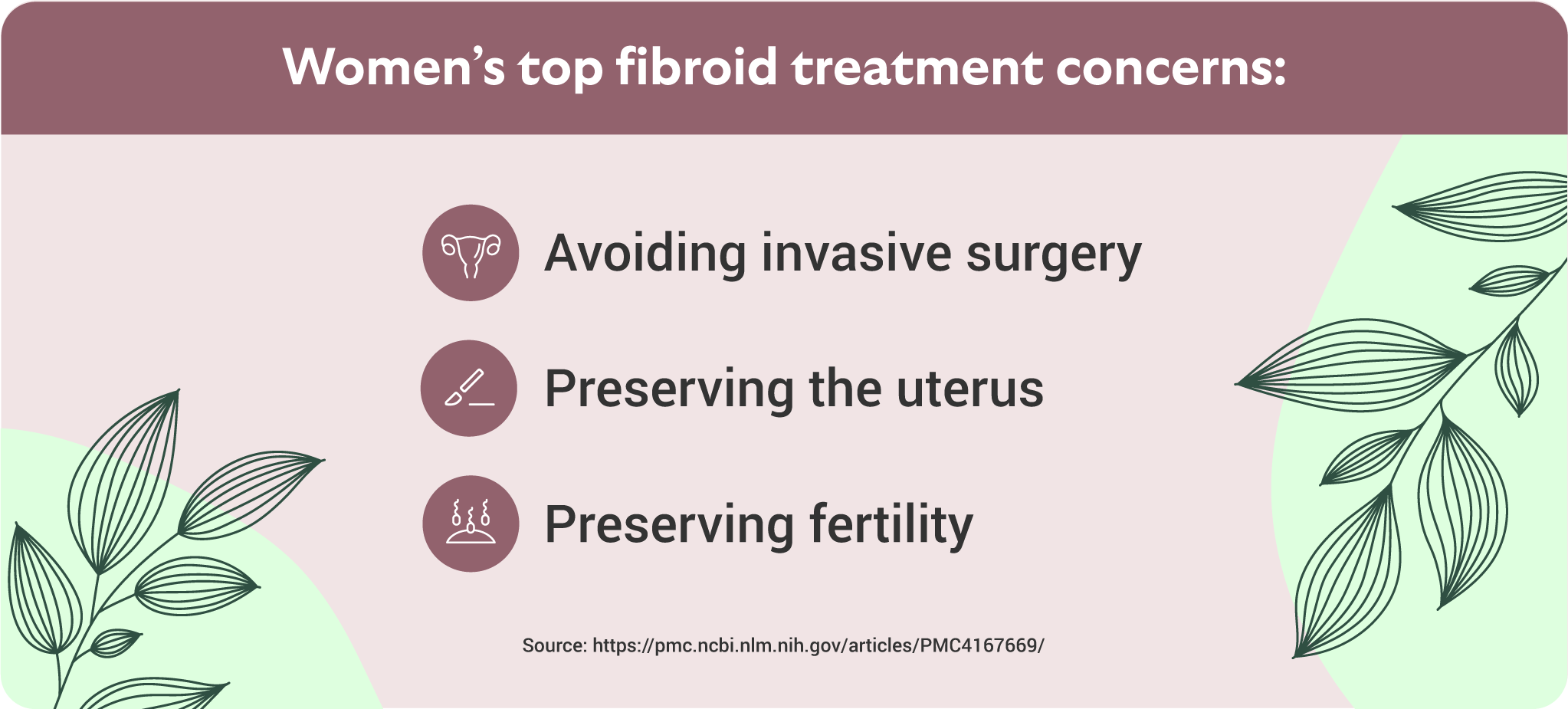
Women’s top fibroid treatment concerns:
- Avoiding invasive surgery
- Preserving the uterus
- Preserving fertility
If your concerns are being minimized or your treatment options feel limited, here’s how to speak up and ask questions:
- What type(s) of fibroids do I have, and where are they located?
- How might these affect my fertility, bleeding, or pain?
- What are my options besides hysterectomy?
- Do you offer minimally invasive or fertility-sparing surgery?
ESSE Care Is Here to Help
If you’re unsure about the plan you’ve been given—or if hysterectomy was offered without alternatives—it’s okay (and often wise) to get another perspective.
Whether you’ve just been diagnosed, are weighing your treatment options, or have had surgery that didn’t resolve your symptoms—we’re here for you. At ESSE Care, our team brings deep experience in:
- Advanced fibroid imaging and mapping
- Laparoscopic, robotic, and hysteroscopic myomectomy
- Fertility-focused surgical planning
- Integrative approaches for whole-body wellness
Reach out to our team of fibroid specialists today to get the compassionate care you deserve.