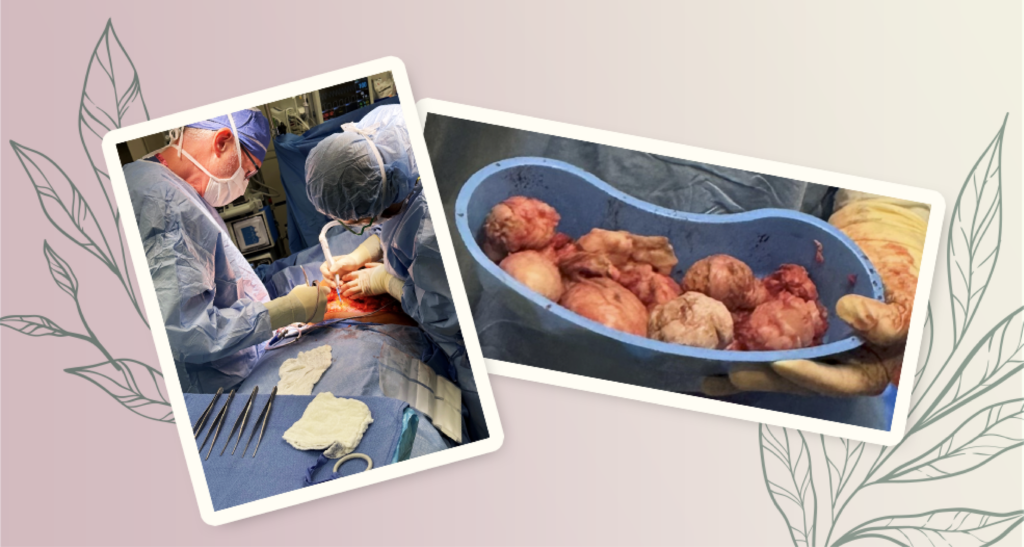
This case-based live discussion focused on one of the most important and often overlooked aspects of fertility care: the environment in which implantation occurs.
For many patients, the fertility journey becomes centered around the embryo. Its grade, genetics, and overall quality often feel like the defining factors. And when things are not working, it is easy to assume that something is wrong at the embryo level.
But what we see every day in clinical practice tells a more complex story. When a chromosomally normal embryo does not implant, or when multiple transfers fail without a clear explanation, it is worth asking a different question: Is it the embryo, or is it the environment the embryo is entering?
In this clinical roundtable, Dr. Karli Provost Goldstein was joined by reproductive endocrinologist Dr. Sheeva Talebian and doctor of Chinese medicine and acupuncturist Dr. Mary Sabo to explore how inflammation, endometriosis, fibroids, and whole-body health can influence implantation and pregnancy outcomes.
Watch Clinical Round Table Ep. 1 On-Demand: Inflammation and Implantation
Why Implantation Is About More Than the Embryo
A healthy embryo is essential. But it is only one part of a much larger process.
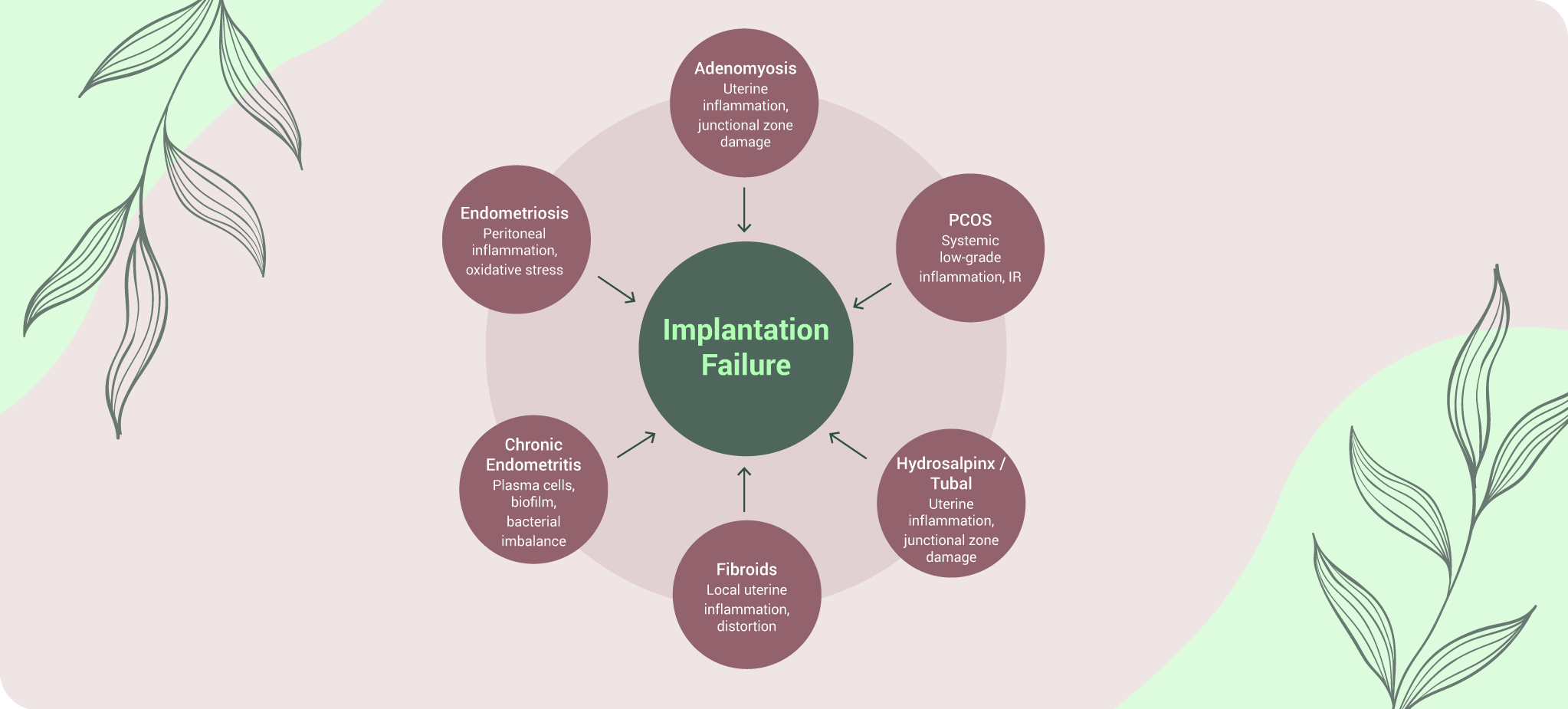
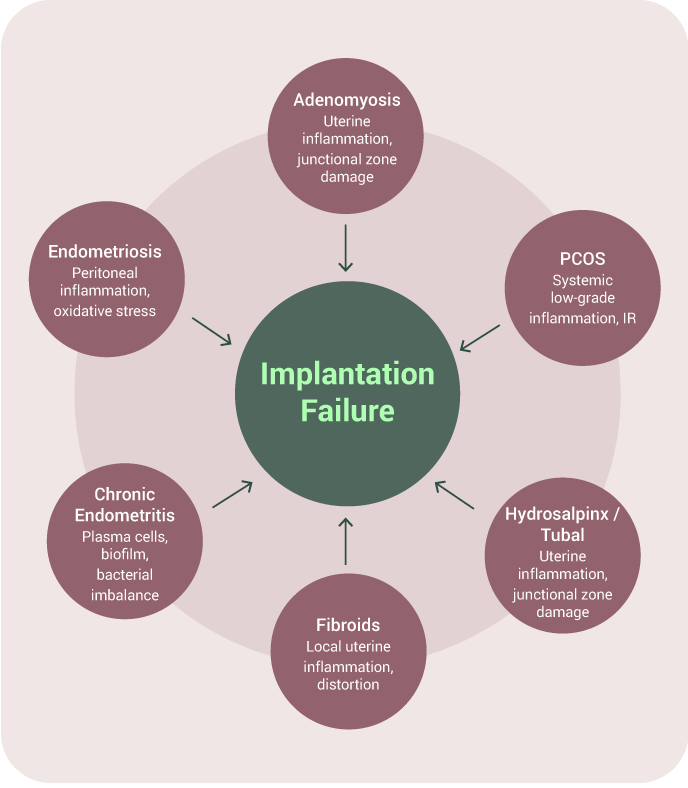
Implantation depends on the uterine lining, the surrounding pelvic environment, and broader systemic factors such as inflammation, immune function, and metabolic health. Conditions like endometriosis, adenomyosis, fibroids, tubal disease, and chronic endometritis can all affect this environment, often without being clearly visible on standard imaging.
This is where many patients begin to feel frustrated. They are told that everything looks normal, yet the outcome does not reflect that.
Certain patterns help guide us toward a deeper evaluation. Failed transfers with euploid embryos, recurrent pregnancy loss, and a history of unexplained infertility are not uncommon experiences. More often, they are the body’s way of signaling that something has not yet been fully identified.
Note: This article contains images from surgical procedures.
What These Cases Reveal About Inflammation & Implantation
Across different patients and different paths, a consistent theme emerges. When fertility outcomes do not align with expectations, there is usually a reason. It just may not be immediately visible.
Case 1: Minimal Endometriosis, Meaningful Impact
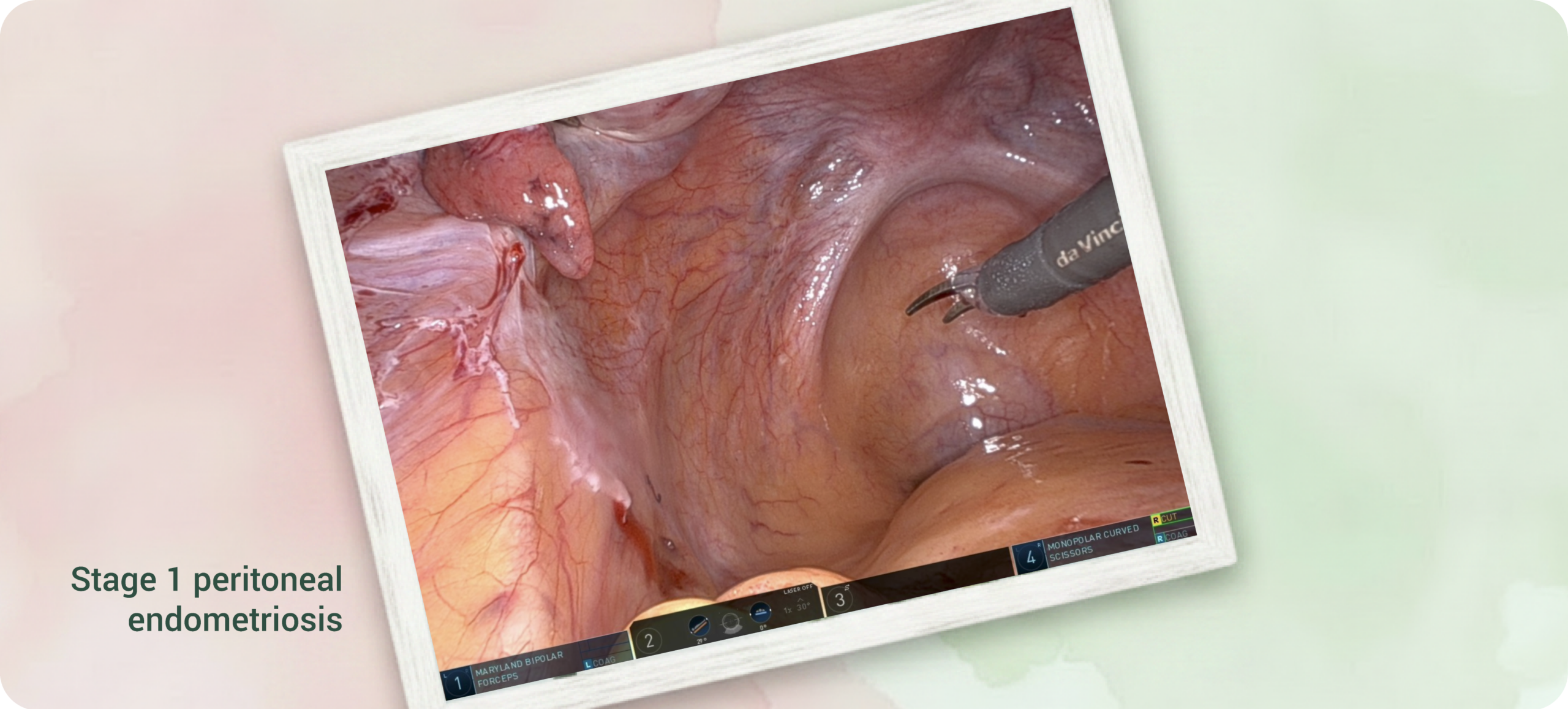
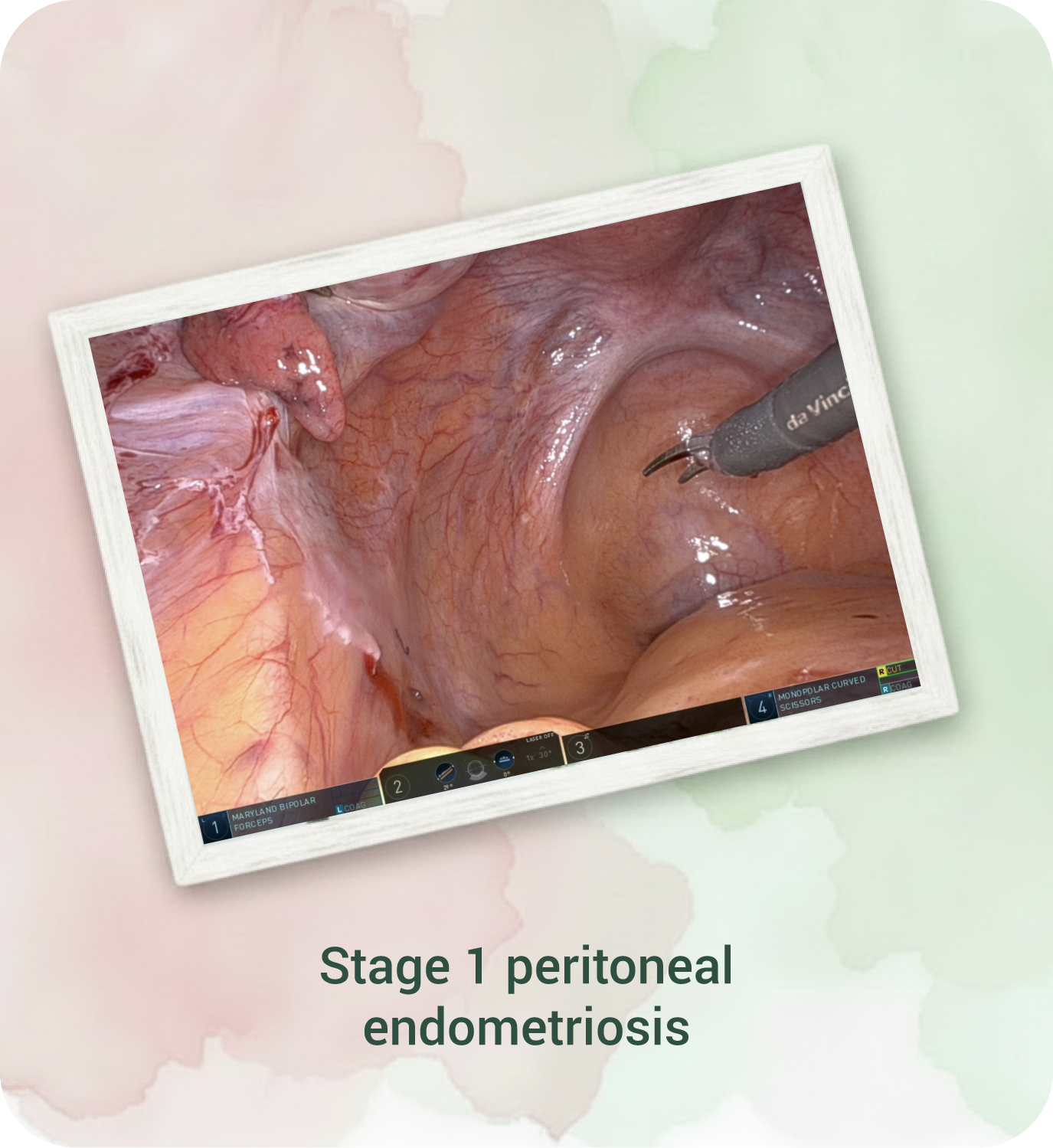
This patient’s experience highlights that even subtle disease can have a meaningful impact on outcomes. She had a strong ovarian response, reassuring lab work, and multiple IVF cycles, yet her embryos consistently arrested early, and previous pregnancies ended in loss.
Imaging did not show any abnormalities, which made the experience even more confusing.
During surgery, subtle Stage 1 endometriosis was identified. These small lesions created an inflammatory environment that, while not visible on imaging, was significant enough to affect her results. After endometriosis excision, the patient’s clinical picture shifted, and she was able to produce normal embryos within a short period of time.
Key takeaways from the team:
- Dr. Goldstein: Even minimal endometriosis can create inflammation that affects egg development and embryo progression.
- Dr. Talebian: When embryos repeatedly fail despite a strong response, it is important to reconsider whether the issue is truly the embryo.
- Dr. Sabo: Chronic inflammation and stress patterns in the body can influence egg quality well before implantation.
What this means for patients is that even when results don’t match expectations, subtle findings may still be clinically significant.
Case 2: Fibroid Impact on the Uterine Environment
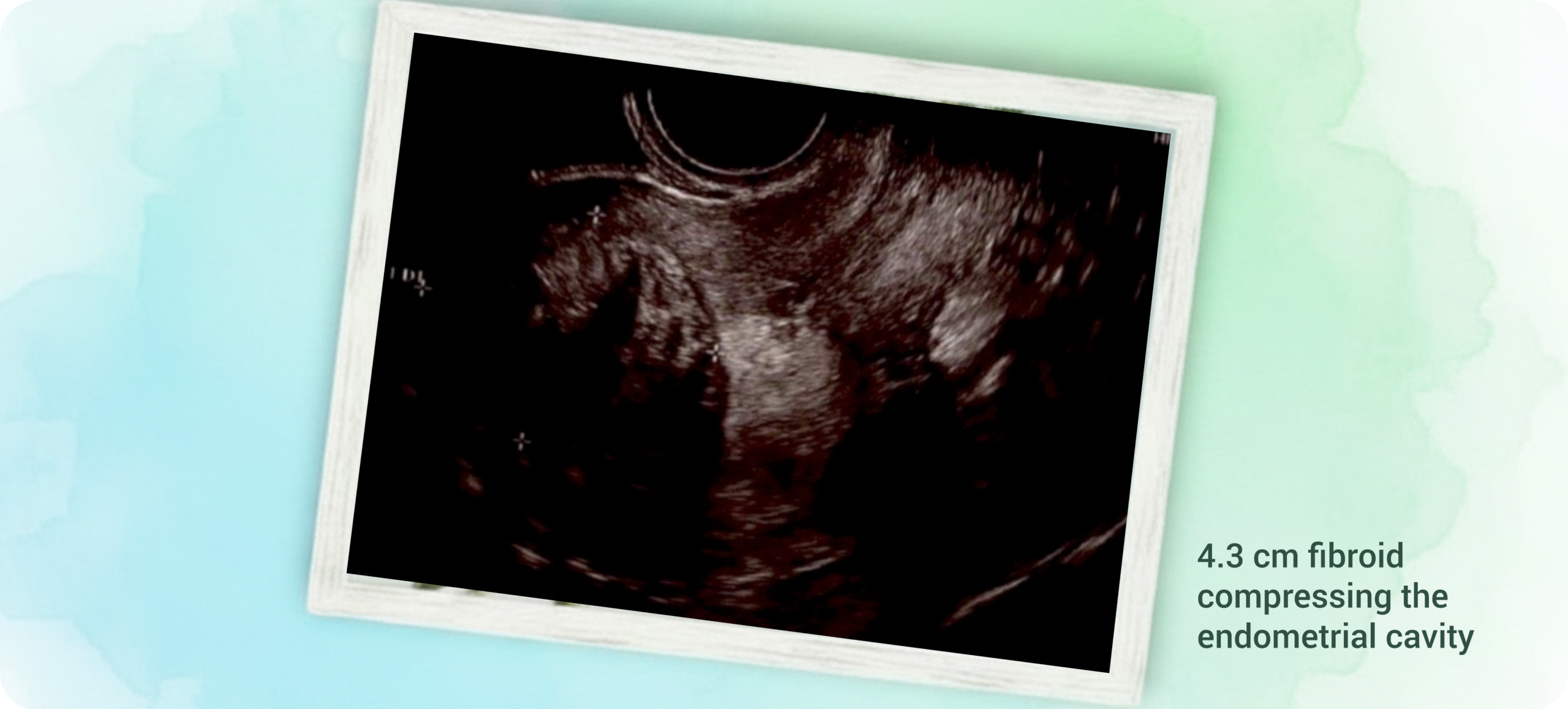
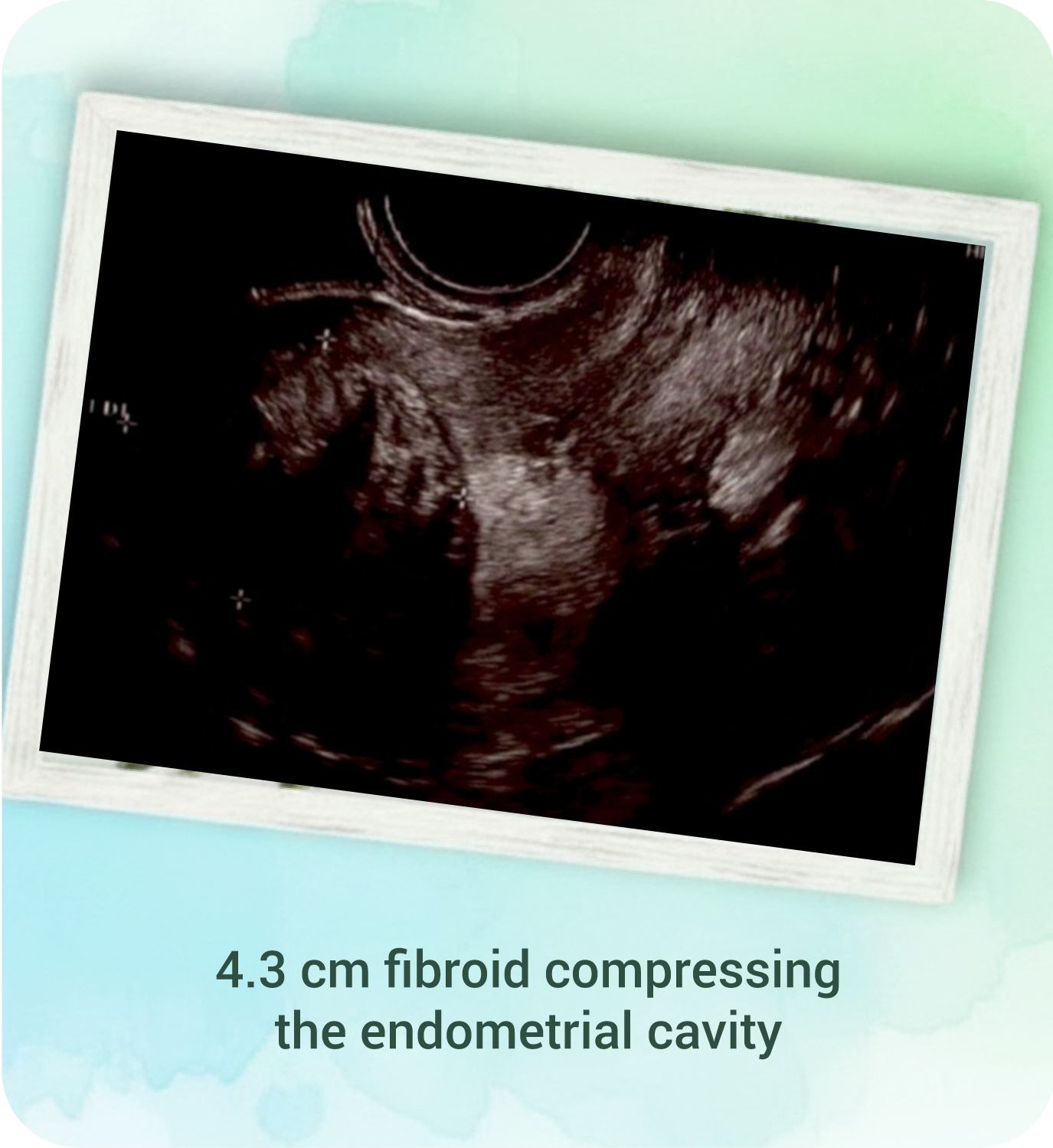
This case reflects that the uterine environment must be structurally and functionally prepared for implantation. This patient had multiple embryos and was able to conceive, but she experienced a miscarriage despite being told her fibroid was unlikely to be contributing. (Fibroids are common, benign tumors composed of muscle and connective tissue that can cause heavy bleeding and distort the uterus.) Over time, it became clear that something was being overlooked.
Further evaluation showed that the 4.3 cm fibroid was placing pressure on the uterine cavity in a way that affected implantation. Plus, surgical diagnosis revealed much more extensive issues—including endometriosis—than imaging suggested. After a robotic myomectomy and endometriosis excision with full uterine reconstruction, the patient was able to enter a period of healing, with a holistic treatment plan and a more supportive foundation.
Key takeaways from the team:
- Dr. Goldstein: Fibroids do not need to be inside the cavity to have an effect on implantation. External pressure alone can change the environment.
- Dr. Talebian: When embryo quality is strong but outcomes are not, the uterus becomes the focus.
- Dr. Sabo: Supporting recovery and circulation after surgery is an important part of preparing for transfer.
This patient’s case underscores that even small changes in the structure of the uterus can affect whether implantation occurs successfully.
Case 3: Unexplained Infertility with Systemic Contributors
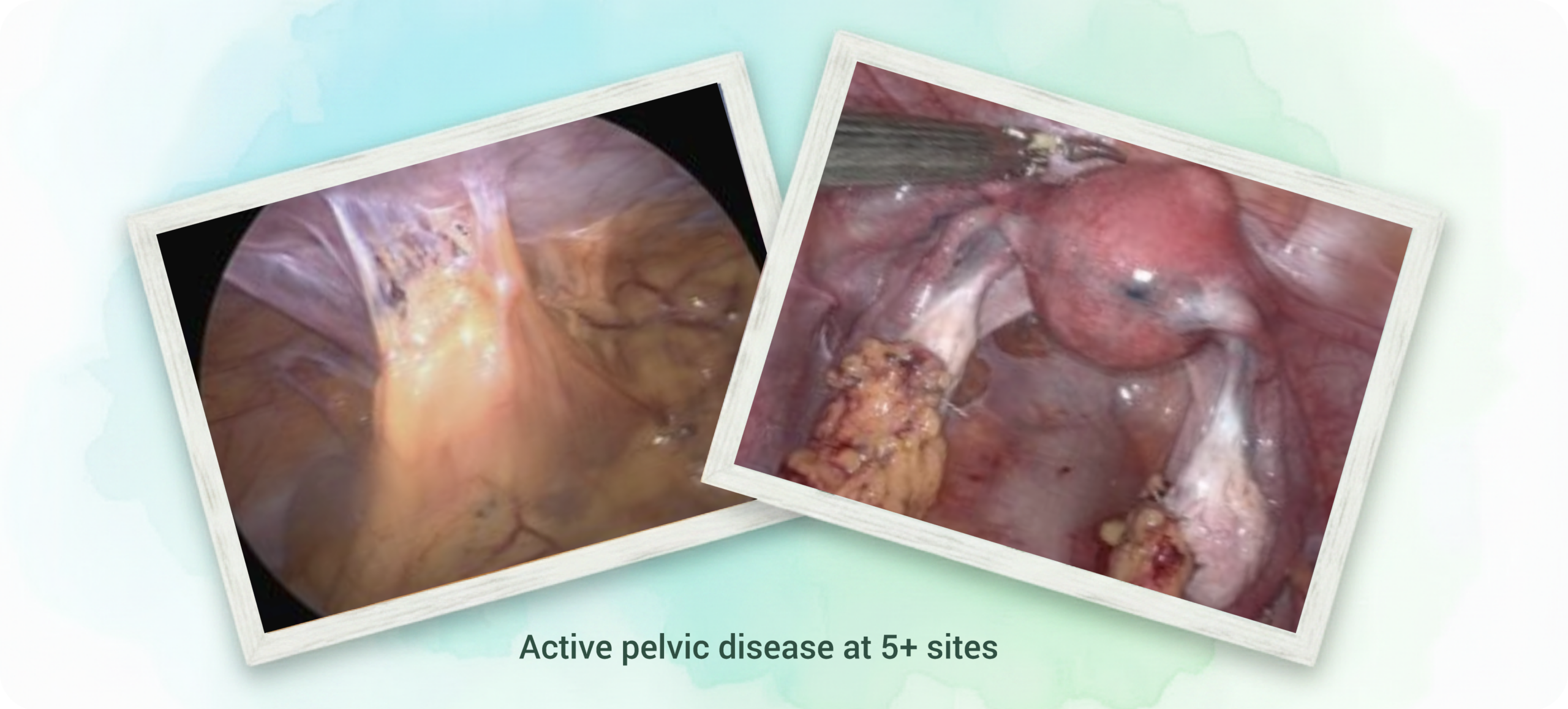
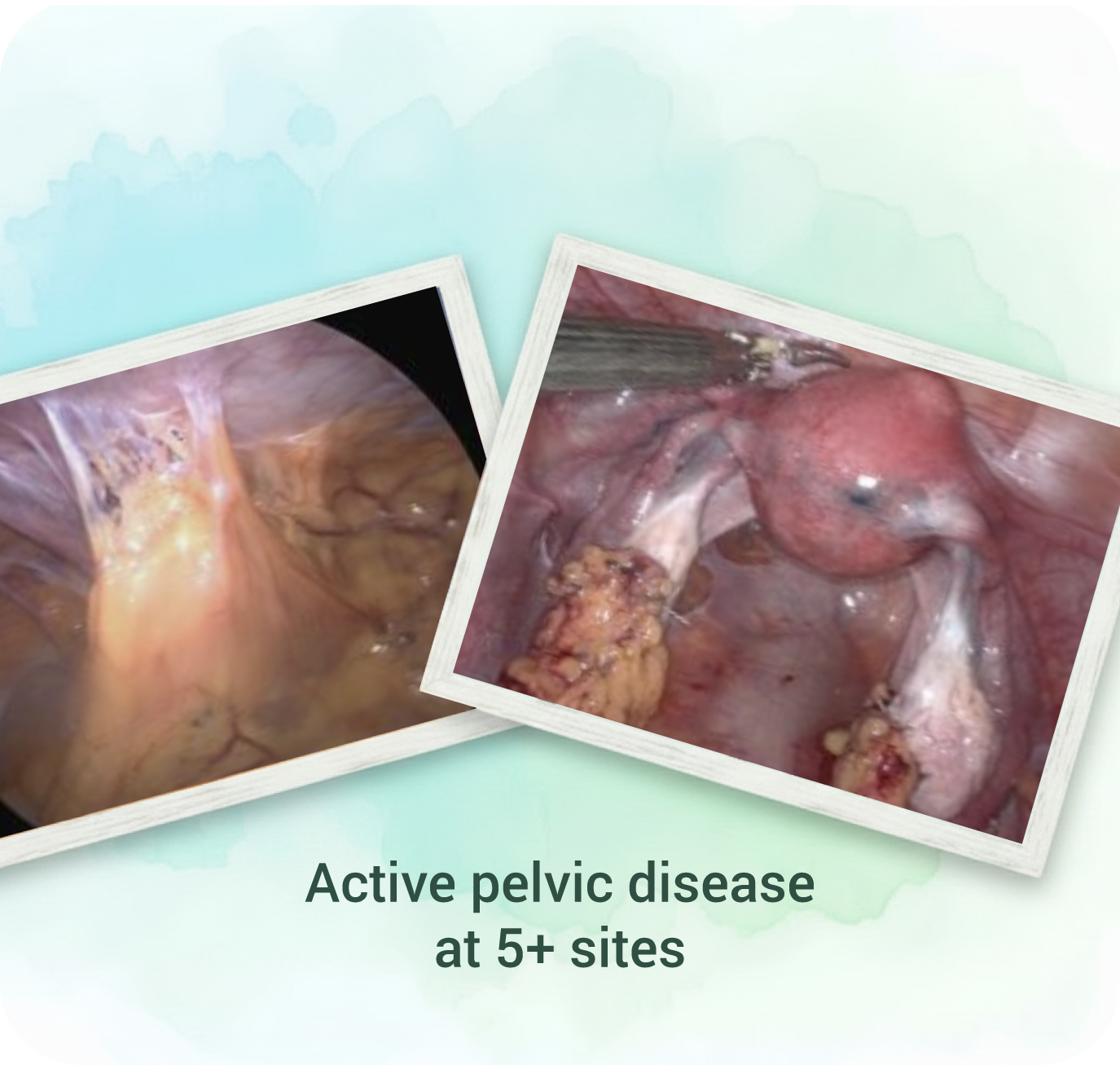
This patient’s case shows that fertility is influenced by multiple systems, not just the reproductive organs. She had multiple IVF failures, normal imaging, and no classic symptoms of endometriosis, yet she was not seeing results.
Like many patients, she had been told everything looked normal.
Further evaluation revealed a broader picture that included endometriosis, gut dysbiosis, and metabolic imbalance. These findings helped explain why prior treatments had not been successful. After surgical treatment and targeted systemic support, her baseline improved in a meaningful way before attempting transfer again.
Perspective from the team
- Dr. Goldstein: Endometriosis can be present even without classic symptoms and often overlaps with other inflammatory conditions.
- Dr. Talebian: When fertilization is successful, implantation becomes the key focus.
- Dr. Sabo: Gut health, inflammation, and hormone signaling are closely connected and should be addressed together.
This patient’s case highlights that when IVF keeps failing despite normal imaging, it may be time to widen the lens—looking for endometriosis and systemic drivers like gut imbalance and metabolic inflammation that can undermine implantation.
Case 4: Longstanding Infertility and Missed Diagnosis
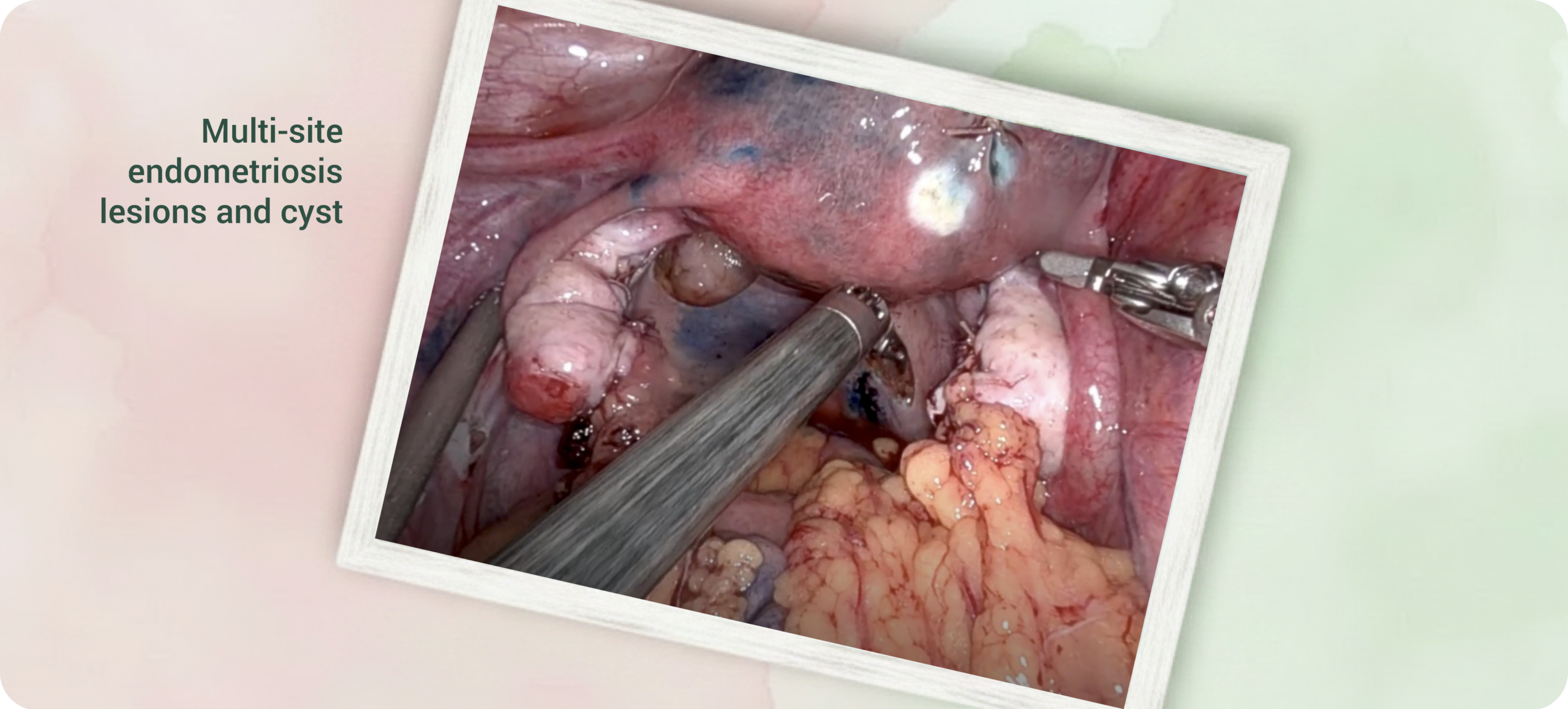
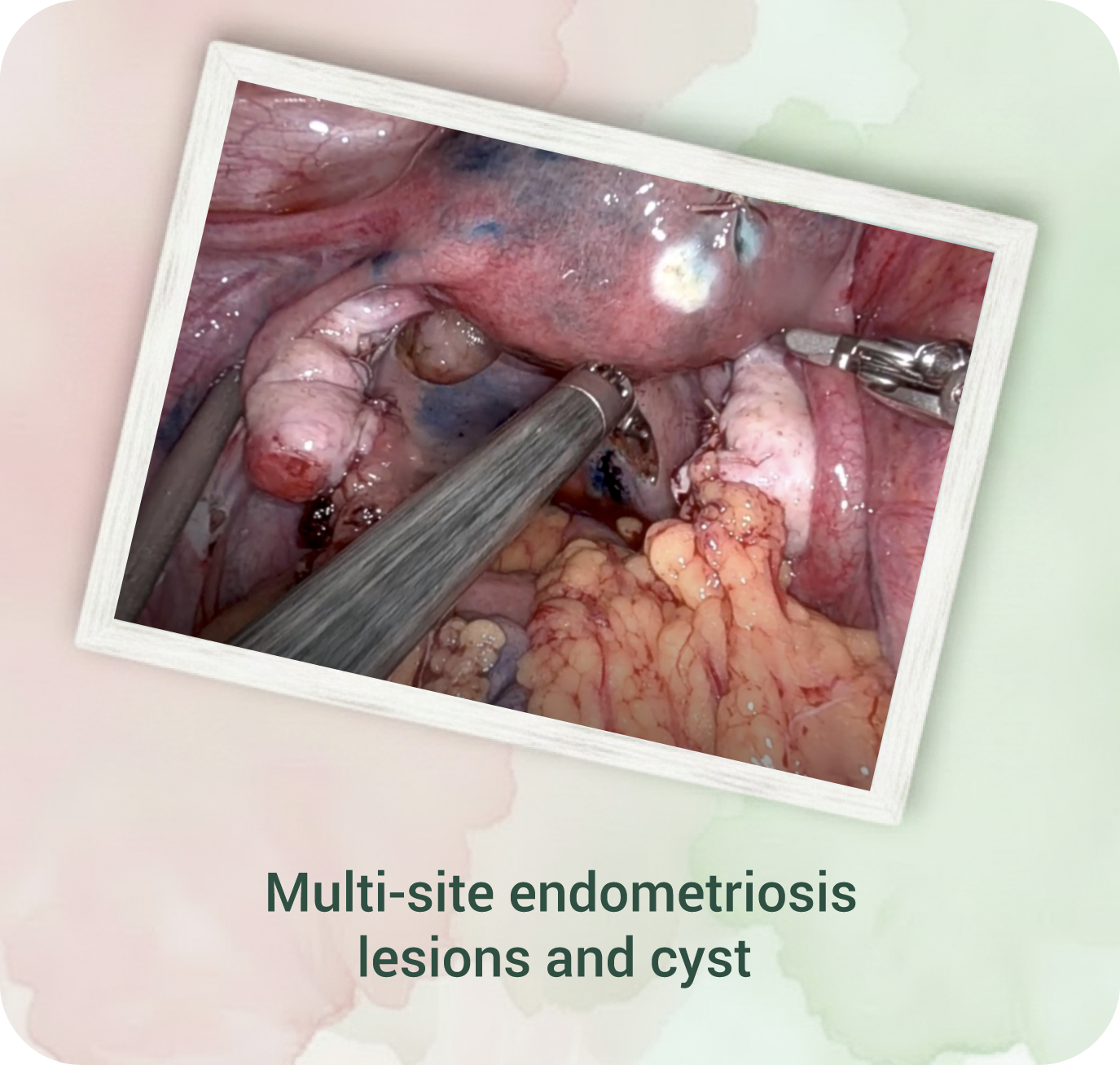
This patient’s experience illustrates that repeated failure is an opportunity to reassess and investigate further. After 8 years of infertility and multiple failed transfers, the case had been categorized as unexplained, a label that can feel both confusing and discouraging.
Despite previous hysteroscopy to treat fibroids and scar tissue, the patient ultimately chose to pursue surgical evaluation, which revealed extensive endometriosis, including involvement of the appendix. This had not been detected on prior imaging.
She conceived spontaneously shortly after surgery.
Key takeaways from the team:
- Dr. Goldstein: Endometriosis can be significant even when imaging appears normal and may go undiagnosed without surgery.
- Dr. Talebian: When the same approach is repeated without success, it is important to consider a different path.
- Dr. Sabo: Long fertility journeys can increase physiologic stress, which may contribute to inflammation.
For this patient, the breakthrough came from pursuing surgery after years of “unexplained” infertility—revealing extensive endometriosis and clearing the way for spontaneous conception soon afterward.
Case 5: When the Uterus Cannot Support Pregnancy
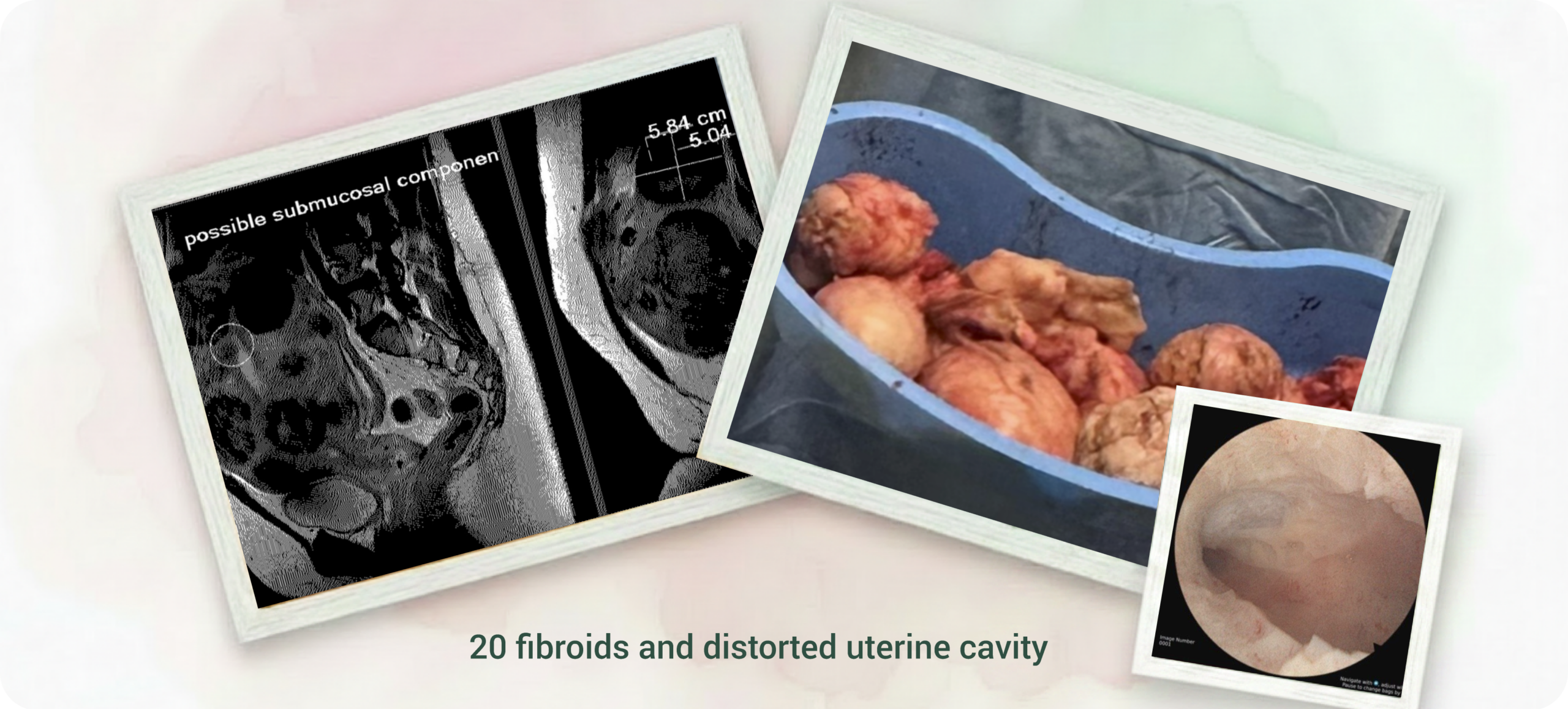
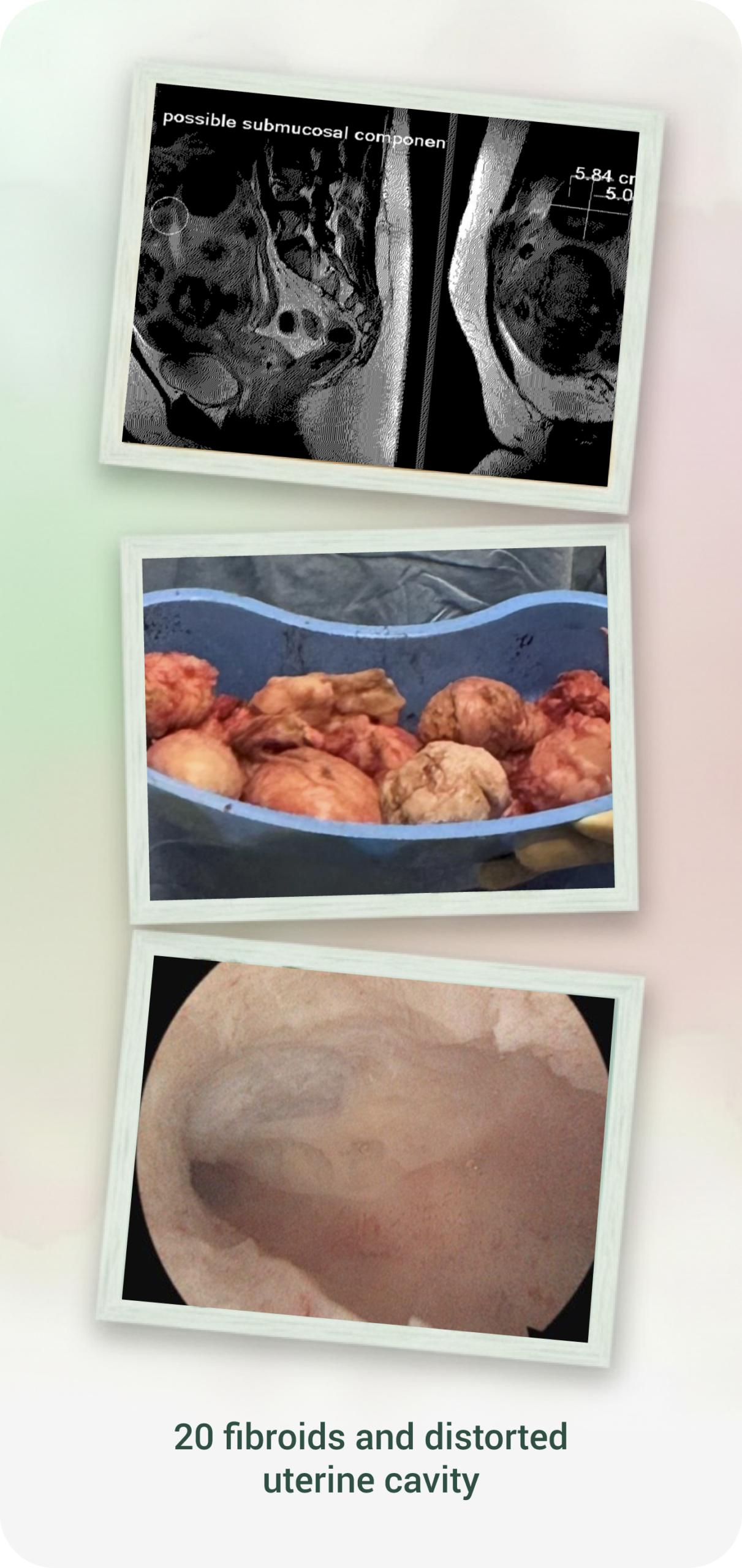
This case reinforces that a healthy uterine environment is essential not only for implantation, but for sustaining pregnancy. This patient was able to conceive but experienced multiple pregnancy losses, including recurrent second-trimester loss.
Her uterus was significantly enlarged due to fibroids, limiting its ability to support a pregnancy, and she experienced life-threatening anemia due to heavy bleeding. But minimally invasive fibroid removal was still possible without hysterectomy, creating a path toward healing and preparing the body before moving forward again.
Key takeaways from the team:
- Dr. Goldstein: In this situation, the primary issue was structural. The uterus was not able to support a pregnancy.
- Dr. Talebian: The ability to conceive does not always reflect the ability to carry a pregnancy.
- Dr. Sabo: Recovery and rebuilding the environment are essential before trying again.
Both the embryo attaching properly and a healthy, supportive uterine environment are essential for a pregnancy to continue developing.
Looking Deeper: Evaluation, Patterns, and a More Complete Approach
These cases show how often key drivers of implantation failure are missed on routine testing. In multiple cases, imaging looked normal—or incomplete—until surgery revealed endometriosis and extensive adhesions.
When the pattern points beyond the embryo (euploid transfer failure, recurrent loss, or years of “unexplained” infertility), next-step evaluation may include targeted labs for metabolic/inflammatory factors, endometrial testing, microbiome assessment, and—when indicated—laparoscopy.
Across these cases, progress came when the team treated both anatomy (fibroids, endometriosis) and physiology (inflammation, stress, metabolic health). Surgery addressed what scans couldn’t (excision of endometriosis; myomectomy and uterine reconstruction when needed). Supportive care then focused on recovery and systemic balance—circulation, gut health, inflammation, and nervous system regulation—before the next attempt.
The throughline: When outcomes don’t match embryo quality, it’s often the environment of the uterus, pelvis, or even the whole body that needs a closer look.
Specific insights from these cases include:
- Multiple euploid embryos that do not implant are a signal to look deeper.
- Even Stage 1 (subtle) endometriosis can disrupt egg/embryo development and implantation.
- Normal ultrasound/MRI does not rule out clinically significant endometriosis.
- A normal hysteroscopy can miss pelvic disease; it does not assess endometriosis.
- A prior pregnancy does not rule out new or progressive fibroids, endometriosis, or inflammation.
- If transfers keep failing, repeating the same plan without new diagnostics can delay answers.
Putting It All Together: When to Look Beyond the Embryo
Many patients move through fertility treatment feeling like they are doing everything right, yet still not getting the answers or outcomes they hoped for. In many situations, there is an underlying factor that has not yet been identified. With the right evaluation and a more comprehensive approach, those missing pieces can often be found.
You deserve care that looks at the whole picture and takes your experience seriously. Schedule a case review with our team today.