• Let's Chat
  • Contact Form
× Send

Recurrent Miscarriage

Even though this is devastating I like to encourage patients this is a sign your body knows what to do. Dr. Karli Provost Goldstein is passionate about talking you through the different options, carefully reviewing your records and making a new plan for the future.

First, we realize if you are reading this you have already been through loss one or multiple times. We are sorry for the pain and stressful roller coaster you have been on with the infertility journey. 

With the whole infertility journey, it helps to allow yourself the down days with a comforting team around you. The friends and support that seem to say the right things or just listen when you need it. You will need the days to grieve and the hugs or shoulder to cry on. 

Then it is important to have the resources and guidance to make a new plan. Having that 2nd/3rd/4th opinion always helps to reset the mind and plan for new options. 

We realize it is very hard to remain always optimistic and positive in this journey! And yet you want to remain positive to improve chances and worry if you are too negative it will affect the outcome. 

Dr. Karli Provost Goldstein is passionate about talking you through the different options, carefully reviewing your records, and making a new plan for the future. 

Below are some of the most common reasons for recurrent miscarriage: 

Genetic abnormality: chromosomal abnormality is the most common reason for early/first-trimester loss. You may not even know you are pregnant when it occurs or just experience it as a delayed very heavy period. Early pregnancy failures are more common than most patients realize and can be recognized more easily if you are tracking ovulation and minute changes. 

The body is able to detect abnormal genetics in the fetus and if not compatible then often self-corrects or miscarries before you realize what happened. 

Even though this is devastating I like to encourage patients this is a sign your body knows what to do. There are even a few positives in this situation. 1. You had successful ovulation and fertilization of the egg to produce an embryo. 2. The fallopian tubes work and transport the embryo successfully into the uterus. 3. The uterine lining was good enough to implant the embryo. 4. The body has error correction and self-corrected before the pregnancy progressed.

When you look at all those steps- there are positive things the body is doing to achieve them which can help to identify how to move forward. 

Some options maybe available such as: 

Immunologic testing

Endometrial biopsy with BCL-6 testing or CD138 

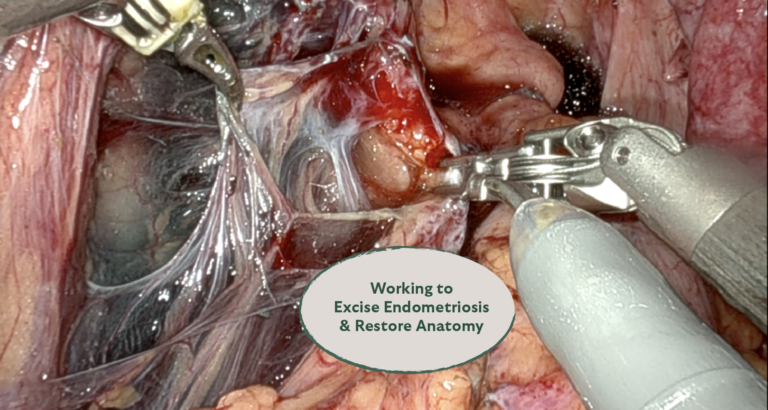
Identification and removal of Endometriosis (unexplained infertility in 50% or more)

We are happy to discuss all the options with you at ESSE Care and Wellness and make a collaborative plan with you or your fertility team as well. 

Content Page Subscribe Widget
Share this post:

Explore more:

DS_Whatis Dyspareunia _Overview_EN_251009_Hero Image OP4
What Is Dyspareunia (Painful Sex)?
Dyspareunia, the medical term for painful sex, is far more common than many realize, affecting nearly 3 in 4 women over the course of their lives. Yet it’s often misunderstood or dismissed.
Read More
5_Polypectomy_Hysteroscopic_NoIncisions_Hero Image
Hysteroscopic Polypectomy: What It Is and What to Expect
Polyps are commonly found in patients who are struggling to conceive. Fortunately, there’s a simple, effective treatment that doesn’t require any incisions: a hysteroscopic polypectomy.
Read More
Behind the Scenes_Friends of Karen Galentine's_EN_260310_Hero Image OP1
Behind the Scenes: The 2026 Galentine’s Day Ball for Friends of Karen
Friends of Karen provides emotional, financial, and advocacy support to children with life-threatening illnesses and their families throughout the tri-state area (New York, New Jersey, and Connecticut...
Read More
DS_Whatis Dyspareunia _Overview_EN_251009_Hero Image OP4
What Is Dyspareunia (Painful Sex)?
Dyspareunia, the medical term for painful sex, is far more common than many realize, affecting nearly 3 in 4 women over the course of their lives. Yet it’s often misunderstood or dismissed.
Read More
5_Polypectomy_Hysteroscopic_NoIncisions_Hero Image
Hysteroscopic Polypectomy: What It Is and What to Expect
Polyps are commonly found in patients who are struggling to conceive. Fortunately, there’s a simple, effective treatment that doesn’t require any incisions: a hysteroscopic polypectomy.
Read More
DS_Whatis Dyspareunia _Overview_EN_251009_Hero Image OP4
What Is Dyspareunia (Painful Sex)?
Dyspareunia, the medical term for painful sex, is far more common than many realize, affecting nearly 3 in 4 women over the course of their lives. Yet it’s often misunderstood or dismissed.
Read More
5_Polypectomy_Hysteroscopic_NoIncisions_Hero Image
Hysteroscopic Polypectomy: What It Is and What to Expect
Polyps are commonly found in patients who are struggling to conceive. Fortunately, there’s a simple, effective treatment that doesn’t require any incisions: a hysteroscopic polypectomy.
Read More
Behind the Scenes_Friends of Karen Galentine's_EN_260310_Hero Image OP1
Behind the Scenes: The 2026 Galentine’s Day Ball for Friends of Karen
Friends of Karen provides emotional, financial, and advocacy support to children with life-threatening illnesses and their families throughout the tri-state area (New York, New Jersey, and Connecticut...
Read More