Many people experiencing painful periods are left feeling confused and dismissed. You may have been told your pain is “just part of having a period” or offered hormonal birth control without a full explanation, leading to a cycle of short-term fixes that never address the root cause of your symptoms. Meanwhile, the cramps, fatigue, nausea, or anxiety keep returning and disrupting your daily life.
Dysmenorrhea is common, particularly among teens and young adults, but that doesn’t mean it should be minimized. Whether it’s primary pain from the menstrual cycle itself or secondary pain linked to conditions like endometriosis or adenomyosis, your symptoms deserve attention. You deserve a thoughtful, thorough approach that provides real answers, not just symptom management.
Why Specialist Care Matters for Dysmenorrhea
Not all menstrual pain is the same, and not all providers are trained to explore the full range of causes, especially when imaging or labs come back looking “normal.” Many conditions that cause secondary dysmenorrhea—like endometriosis, fibroids, or pelvic adhesions—can be hard to detect and are often missed by basic exams or ultrasounds.
A specialist in minimally invasive gynecology understands the complexities of chronic pain and how to approach it holistically. They can help determine whether your symptoms are related to hormonal imbalances, anatomical changes, or inflammatory conditions. And, most importantly, they are trained to investigate and address the root cause, not just your symptoms.
At the end of the day, addressing period pain can make a major difference in the lives of young women and girls, helping them stay involved in the activities they love and lead a happy, productive life.
Who You Might See Before a Specialist
Primary Care Providers
Your journey may begin here. Your PCP might prescribe NSAIDs, order basic bloodwork, or refer you to an OB/GYN, but they often don’t have the tools or training to assess deeper causes of chronic pelvic pain.
General OB/GYNs
OB/GYNs may offer hormonal therapy or birth control to manage symptoms. While helpful for many, these approaches are often trial-based and may delay deeper evaluation if symptoms persist. Routine ultrasounds might not show subtle causes like early-stage endometriosis or pelvic floor dysfunction.
Fertility Specialists
If pain overlaps with challenges conceiving, a reproductive endocrinologist may be involved. They might identify uterine abnormalities or refer you for surgical evaluation, but they don’t typically perform excision surgery for endometriosis or treat pelvic pain beyond fertility protocols.
Minimally Invasive Gynecologic Surgeons (MIGS)
This is where specialized care shines. Surgeons like those at ESSE Care are trained in advanced laparoscopy, robotic excision of endometriosis, and uterine-sparing techniques. They’re also skilled in understanding the multifactorial nature of pain—including pelvic floor, nervous system, and hormonal contributors.
When You Should See a Specialist for Period Pain
If any of the following sound familiar, a specialist consultation is the next step:
- Your period pain hasn’t improved after 3–6 months of NSAIDs or hormonal treatment.
- You often miss school, work, or daily activities due to your cycle.
- You have bowel, bladder, or sexual pain related to your cycle.
- You have been told your imaging was “normal,” but you’re still in pain.
- You’ve been diagnosed with endometriosis, fibroids, or adenomyosis and want conservative, fertility-sparing options.
- Your period pain has gotten worse over time.
- You feel dismissed, misdiagnosed, or unsure what’s really going on.
Delaying evaluation can mean worsening pain and inflammation and missed opportunities to protect fertility. The sooner a specialist is involved, the sooner you can access meaningful, targeted care.
What the Path to Specialized Care Might Look Like
Every care journey is unique, so yours may skip some steps or include others, but below are some of the milestones that may be involved in your path to diagnosis.
| Step | What It Involves | Why It Matters |
|---|---|---|
| 1. Symptom Onset | Painful periods, missed activities, fatigue, or GI symptoms | Signals something more than "just cramps" may be going on |
| 2. Initial Evaluation | PCP or OB/GYN offers NSAIDs, hormones, or imaging | A starting point, but often misses subtle or secondary causes |
| 3. Specialist Referral | Consultation with a MIGS surgeon | Provides comprehensive review, physical exam, and diagnostic strategy |
| 4. Targeted Testing | Pelvic ultrasound, MRI, possible laparoscopy | Identifies hidden pathology like endometriosis or uterine abnormalities |
| 5. Treatment Planning | Surgical, hormonal, and integrative options tailored to your goals | Aligns relief with long-term fertility and wellness goals |
| 6. Follow-Up | Ongoing support, physical therapy, cycle tracking | Ensures your care evolves with your body's needs |
Remember, these steps are not all required. If you know there’s something wrong in your body and you’re not getting the answers you need from an existing provider, you can visit a specialist at any time. At ESSE Care, we believe you know your body best, and you’re in charge of it.
Dysmenorrhea Treatment Options to Know About
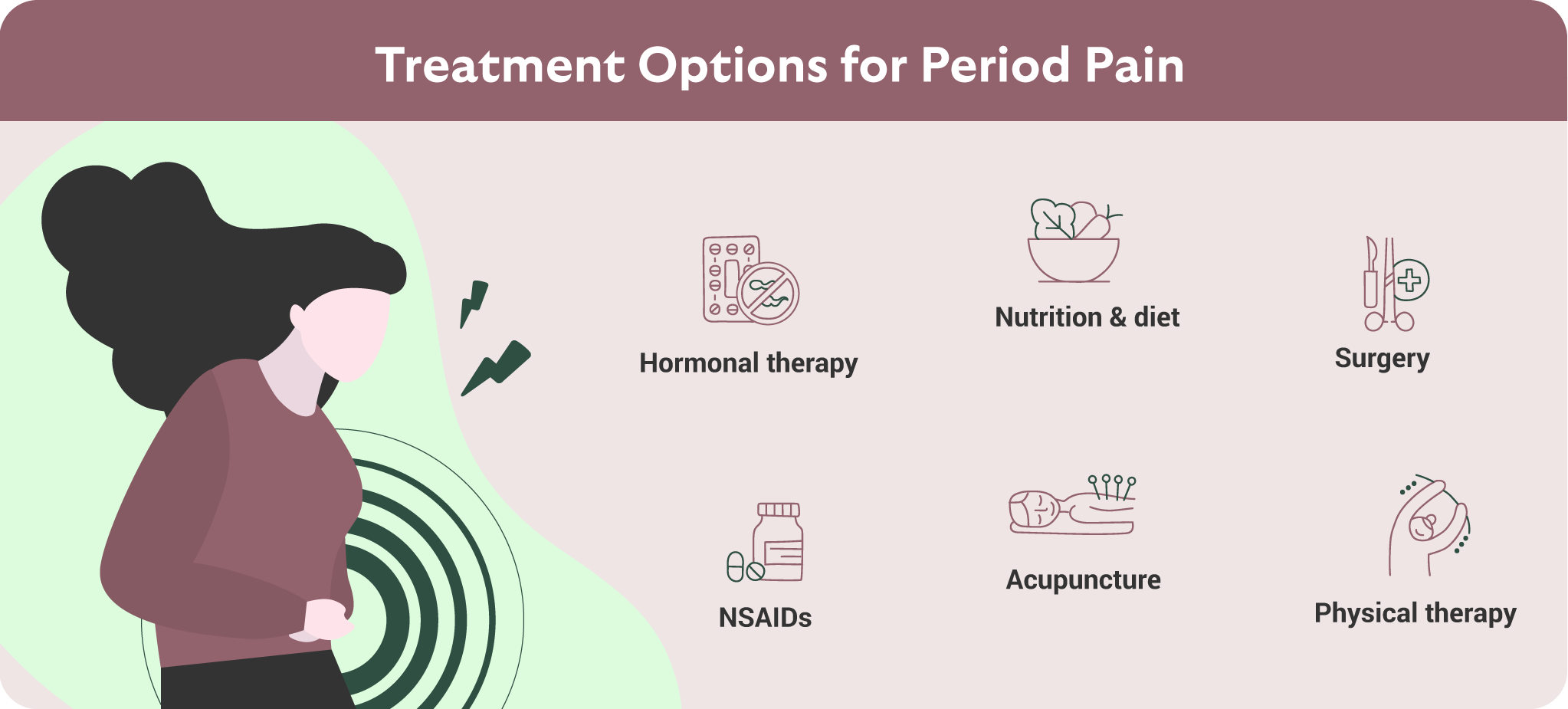
There is no one-size-fits-all answer to painful periods. Dysmenorrhea can be caused by normal hormonal activity (referred to as primary dysmenorrhea) or by underlying conditions like endometriosis, adenomyosis, or fibroids (secondary dysmenorrhea).
Each person’s pain experience is unique, which is why treatment must begin with understanding the root cause. Our goal is to not only reduce your symptoms but also support your overall health and quality of life.
Treatment Options
- Hormonal therapies: Birth control pills, IUDs, progestin treatments, and other hormonal therapies can help lighten periods, reduce cramping, and lower inflammation. We work with you to find an approach that fits your cycle, body, and long-term goals.
- NSAIDs and anti-inflammatory strategies: Nonsteroidal anti-inflammatory drugs like ibuprofen can reduce prostaglandin levels when started before your period. In addition to medication, we also explore anti-inflammatory nutrition and lifestyle tools that support cycle comfort naturally.
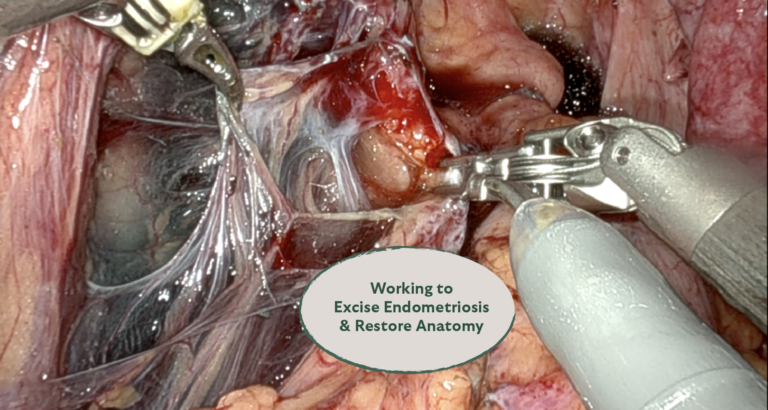
- Laparoscopic endometriosis excision: For patients with suspected endometriosis, expert excision offers a deeper solution than hormonal suppression or ablation. Using small incisions, we remove lesions at their root, aiming to reduce pain and preserve fertility.
- Laparoscopic or robotic hysterectomy: In some cases, such as severe adenomyosis or pain that hasn’t improved with other therapies, removal of the uterus may be considered. This option is discussed carefully and only when fertility is no longer a priority.
- Pelvic floor physical therapy: Chronic pain can lead to muscular tension in the pelvic floor, which makes cramps and discomfort worse. Specialized physical therapy can help release tension, improve blood flow, and restore mobility.
- Supportive and integrative therapies: We offer a holistic toolkit that includes mind-body techniques, acupuncture, and nervous system regulation. These therapies are especially helpful for those with chronic pain and overlapping conditions like IBS or bladder sensitivity.
Menstrual pain should never be dismissed as “just part of being a woman.” If your symptoms are keeping you from living fully, it’s time to take a closer look.
How to Advocate for the Care You Deserve


Navigating pain—especially as a teen or young adult—can feel lonely and invalidating. Teens experience delays in pelvic pain diagnosis more than double that of adults, leading to years of unnecessary suffering.
If you or your child are seeking answers, here are key questions to ask your provider:
- Have you ruled out causes of secondary dysmenorrhea, like endometriosis or adenomyosis?
- Do you offer minimally invasive surgical evaluation if needed?
- Is there a pelvic floor component to my pain?
- How do you track treatment effectiveness over time?
- What are my options beyond birth control or pain relievers?
- How does this plan align with my long-term fertility and wellness goals?
If these questions are met with resistance—or if you’re told your pain is just “part of life”—it’s time to seek a second opinion.
ESSE Care: Where Expertise Meets Empathy
If painful periods are controlling your schedule, affecting your relationships, or making you feel like a different version of yourself, trust that your body is trying to tell you something.
You deserve a care team that listens, investigates, believes you, and helps you move forward with clarity and confidence. We don’t just ask, “What’s wrong?” We ask, “What do you need to live the life you want?”
Let’s start by asking the right questions—together. Schedule a consultation with an ESSE Care doctor today.