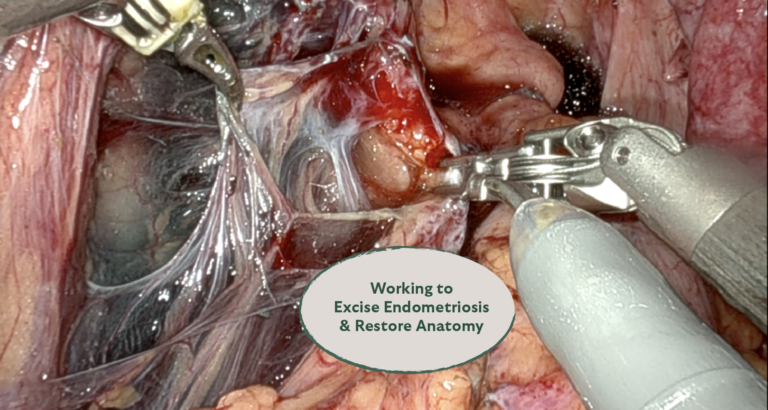
Asherman’s syndrome is a condition where bands of scar tissue form inside the uterus. These intrauterine adhesions cause the uterine walls to stick together, which can disrupt menstrual function, cause pain, and impact fertility.
Asherman’s syndrome can develop after a uterine surgery or infection, especially dilation and curettage (D&C). Early diagnosis and minimally invasive treatment are key to restoring uterine health and supporting fertility.
Degrees of Asherman’s Syndrome
Asherman’s syndrome involves scar tissue (adhesions) forming inside the uterus. The extent and location of these adhesions affect both symptoms and fertility potential. Adhesions can range from mild to severe. (Note: There is no single classification system for the adhesions associated with Asherman’s syndrome, but the table below shows how ESSE Care evaluates them.)
| Type | Location | Impact and Symptoms |
|---|---|---|
| Mild Adhesions | Thin bands in isolated areas of the uterine cavity | May cause light periods or no symptoms at all; often discovered during fertility evaluation |
| Moderate Adhesions | Bands partially bridging uterine walls or affecting multiple surfaces | Lighter or absent periods; pelvic pain; may interfere with fertility, implantation, or embryo transfer |
| Severe Adhesions | Dense fibrous tissue, often obliterating the uterine cavity | Amenorrhea; infertility; pain with menstruation; higher risk of miscarriage and pregnancy complications |
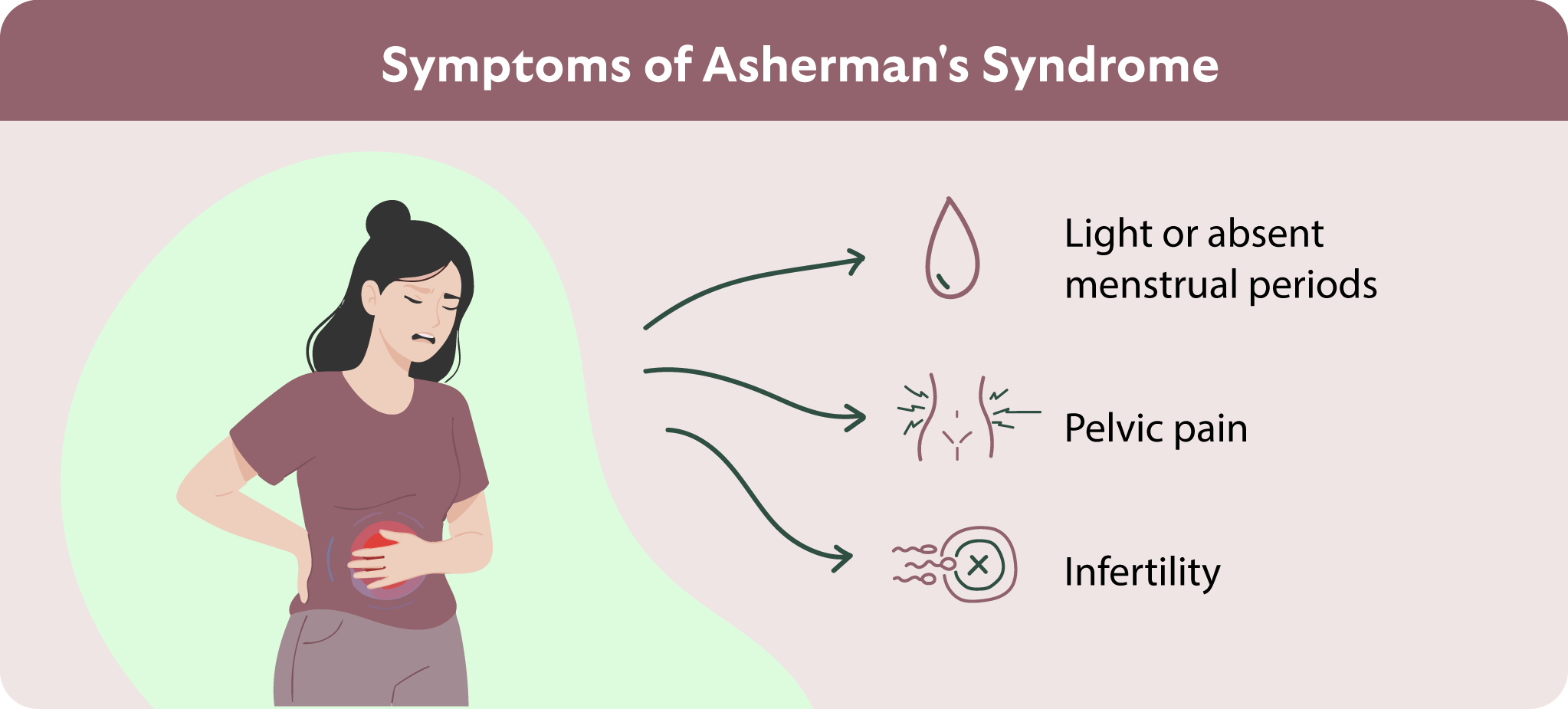
Symptoms depend on the amount and location of scar tissue. Some women experience minimal changes, while others notice significant disruption to their cycle or fertility. (Note: The term “Asherman’s syndrome” is typically only used in symptomatic cases, as a lack of symptoms generally means there is no need for treatment. Without symptoms, this scar tissue is called intrauterine adhesions.)
Common symptoms of Asherman’s syndrome include:
- Very light or absent periods (hypomenorrhea or amenorrhea)
- Pelvic pain or cramping at the time of an expected period
- Difficulty conceiving or recurrent miscarriage
- Infertility that is otherwise unexplained
What Causes Asherman’s Syndrome?
Asherman’s syndrome occurs when the inner lining of the uterus (the endometrium) is injured, and the healing process leads to internal scar formation. The condition is most often associated with uterine procedures or postpartum interventions.
Factors that may contribute to Asherman’s syndrome include:
- Dilation and curettage (D&C): The most common cause (approximately 90% of cases), especially after miscarriage or postpartum bleeding.
- Uterine surgery: Procedures like fibroid removal that affect opposing uterine walls
- Cesarean section: Localized adhesions may form around the surgical incision.
- Pelvic infection: Inflammation can damage the basal endometrium, the permanent layer of uterine lining that is not shed during menstruation.
- Radiation or tuberculosis: Rare but severe causes of intrauterine scarring.
The risk of developing Asherman’s syndrome increases when multiple uterine procedures (primarily curettage) are performed or when surgery is done soon after childbirth.
Comparisons with Other Conditions
If you’ve never heard of Asherman’s syndrome until now, you’re not alone. The symptoms associated with it overlap with many other gynecological conditions, most of which are much more common in the general population.
| Condition | Prevalence | Symptoms/Treatment |
|---|---|---|
| Asherman's Syndrome | Estimated <1% of reproductive-age women; underdiagnosed | Lighter/no periods, infertility, cramping. Treated with hysteroscopic lysis of adhesions and estrogen therapy |
| Fibroids | 70%–80% of women | Heavy bleeding, pressure, infertility. Treated based on location/symptoms — surgery may or may not be needed |
| Adenomyosis | Unknown; most commonly diagnosed in women 40–50 undergoing hysterectomy | Heavy menstrual bleeding, painful periods, chronic pelvic pain. Treated with medical management, surgery, and/or hysterectomy |
| Endometriosis | 5%–10% of reproductive-age women; 50% of infertile women | Painful periods, infertility. Requires surgical excision or medical management |
| PCOS | 10% of women | Irregular periods, infertility, insulin resistance, other hormonal symptoms (acne, weight gain, unusual hair growth). Treated with medications and lifestyle changes |
How Asherman’s Syndrome Is Diagnosed
Discussion Feature: Dr. Leigh Rosen and Dr. Lucky Sekhon Answer FAQs About Asherman’s Syndrome
Accurate diagnosis requires a detailed review of symptoms, surgical history, and specialized imaging to visualize the uterine cavity.
- Transvaginal ultrasound: Used to identify irregularities or fluid in the uterus, which may indicate adhesions.
- Saline sonogram (sonohysterography): Provides a clearer image of the uterine shape and any internal scarring by introducing sterile fluid into the cavity.
- Hysterosalpingogram (HSG): X-ray imaging that shows blockages or irregular contours in the uterine cavity and fallopian tubes.
- Hysteroscopy: The most definitive test, allowing direct visualization and often treatment of adhesions during the same procedure.
Treatment Options for Asherman’s Syndrome
Treatment for Asherman’s syndrome focuses on restoring the normal shape of the uterine cavity, protecting the lining as it heals, and preventing adhesions from reforming.
Hysteroscopic Adhesiolysis


Hysteroscopic scar tissue removal (lysis of adhesions) is a minimally invasive procedure uses a small camera and fine surgical instruments to separate scar tissue under direct visualization. The goal is to remove adhesions while preserving as much healthy endometrium as possible.
Adjunctive Therapies
- Intrauterine balloon: A temporary balloon is placed inside the uterus after surgery to keep the walls apart during healing.
- Estrogen therapy: Encourages regrowth of the uterine lining and supports tissue recovery.
- Antibiotics: Reduce the risk of infection after surgery.
- Follow-up imaging or hysteroscopy: Confirms that the uterine cavity remains open and is healing properly.
Recovery typically takes a few weeks. Patients can expect some spotting or mild discomfort, but most resume normal activities within days. Healing is monitored closely through imaging or repeat hysteroscopy to ensure the cavity stays clear.
Fertility and Pregnancy Outcomes
Restoring the uterine cavity allows the lining to regenerate, which improves the chances of healthy implantation and pregnancy. However, every patient’s case is different.
Few widespread studies have been conducted on fertility outcomes after Asherman’s syndrome treatment, so exact rates are difficult to identify. A summary of the available research is below:
- One study of 64 patients treated with hysteroscopic adhesiolysis led to a live birth rate of 32.8%, with women under the age of 35 more likely to conceive.
- In a large cohort study of 500 women treated with hysteroscopic adhesiolysis, 569 pregnancies were achieved within 3 years after surgery. The miscarriage rate was 33.0%, and the live birth rate was 67.4%.
- A retrospective case report series of 31 women with “severe” Asherman’s syndrome (also treated with hysteroscopy) showed a post-treatment pregnancy rate of 42.8% and a live birth rate of 32.1%. This study also found that women under 35 were more likely to conceive successfully.
- Two small studies—one conducted in India and one in Saudi Arabia—found that women with mild Asherman’s syndrome (or minimal intrauterine adhesions) had a significantly higher pregnancy rate following treatment than women with moderate or severe adhesions.
In our experience at ESSE Care, many patients conceive naturally after treatment, while others may proceed with fertility support such as intrauterine insemination (IUI) or in vitro fertilization (IVF). Early follow-up and careful coordination between surgical and fertility specialists are key to success.
Prognosis and Long-Term Outlook for Asherman’s Syndrome
With timely and gentle treatment, many patients experience a return to normal menstrual flow and a restored uterine cavity. Adhesions can recur, but the use of preventive measures such as intrauterine balloons and hormonal therapy may greatly reduce this risk.
Untreated Asherman’s syndrome can cause chronic pelvic pain, persistent infertility, and recurrent miscarriage. Long-term follow-up ensures that the uterus continues to heal and function normally.
Living with Asherman’s Syndrome: The Path Forward
Understanding Asherman’s syndrome is the first step toward restoring confidence in your body and your fertility. With the right care, many patients go on to experience restored cycles and uterine anatomy and successful pregnancies.
Whether you have questions about Asherman’s syndrome or you’re ready to take the next step in your healing journey, our team is here to help. Schedule a consultation with one of our Asherman’s syndrome experts today.