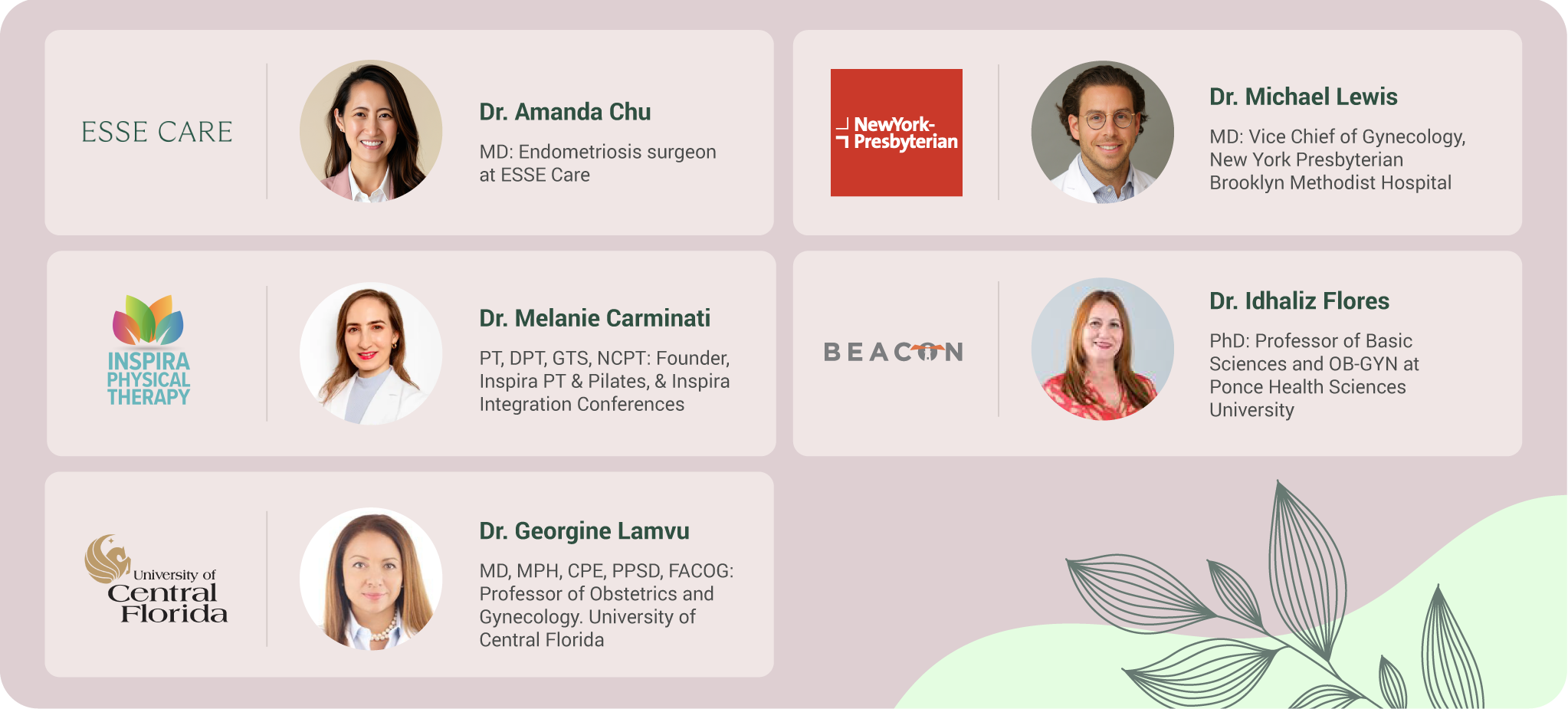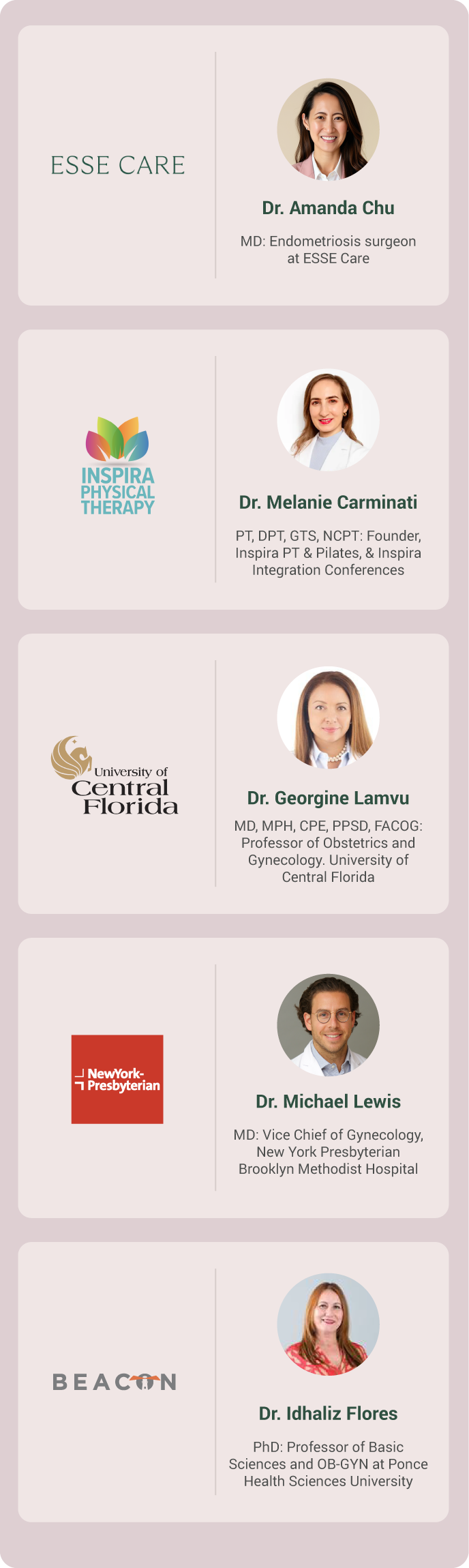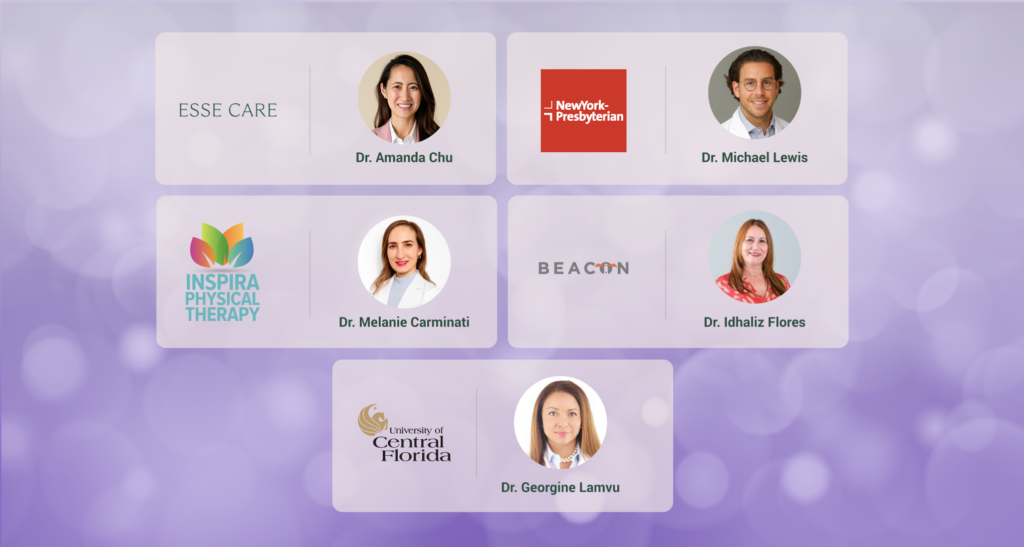
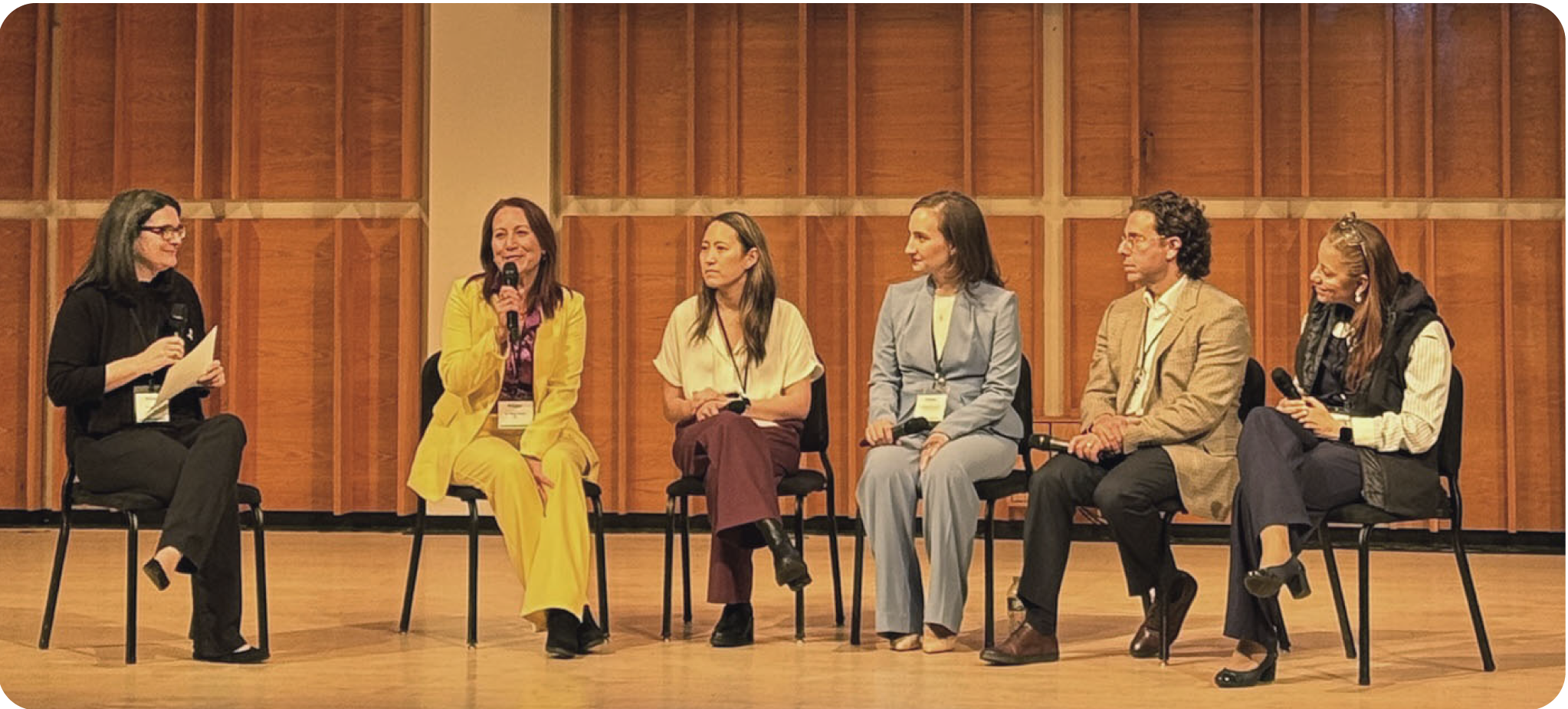
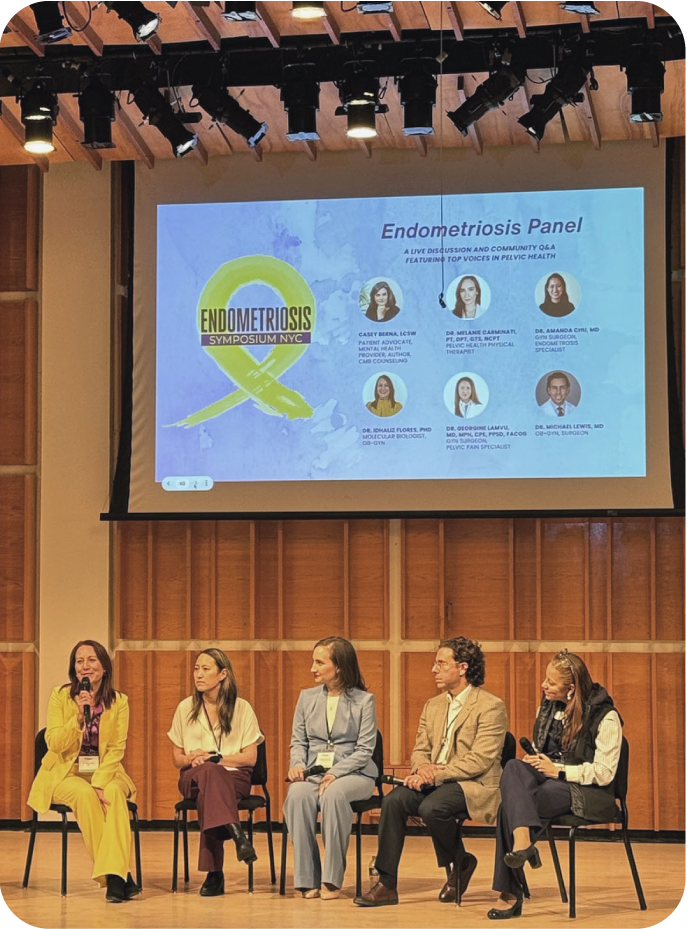
Dr. Amanda Chu, MD, gynecologic surgeon at ESSE Care, recently spoke on the expert panel at the 2026 Pelvic Health & Endometriosis Symposium NYC alongside leaders in pelvic health, research, and patient advocacy, including:
- Dr. Melanie Carminati, PT, DPT, GTS, NCPT: Founder, Inspira PT & Pilates, & Inspira Integration Conferences
- Dr. Georgine Lamvu, MD, MPH, CPE, PPSD, FACOG: Professor of Obstetrics and Gynecology. University of Central Florida
- Dr. Idhaliz Flores, PhD: Professor of Basic Sciences and OB-GYN at Ponce Health Sciences University
- Dr. Michael Lewis, MD: Vice Chief of Gynecology, New York Presbyterian Brooklyn Methodist Hospital
- Dr. Amanda Chu, MD: Endometriosis specialist and surgeon at ESSE Care
The conversation focused on the realities of endometriosis care today, including gaps in medical education, systemic barriers, and the importance of expanding how we understand pelvic pain.
Here are the key insights from that discussion.
1. Endometriosis education in medical training is still limited.


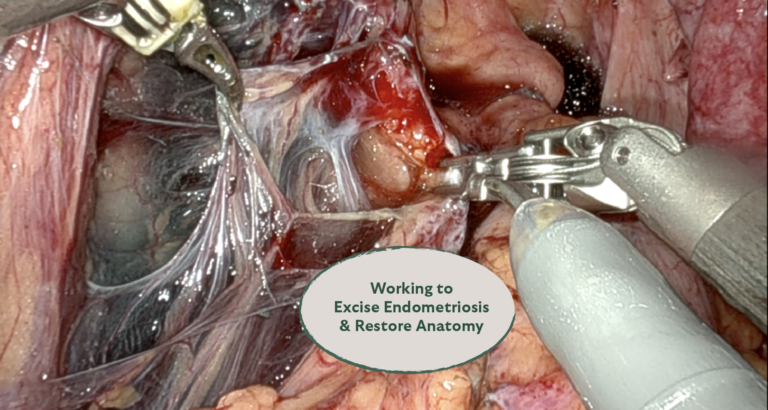
Excision surgery is highly specialized and not widely taught. At the same time, endometriosis affects approximately 1 in 10 individuals assigned female at birth, making the gap between patient need and specialist availability significant.
This imbalance leads to:
- Long wait times for expert care
- Travel across states or countries for surgery
- Variability in treatment quality
Expanding access to advanced surgical training is essential to improving outcomes and reducing long-term disease burden.
3. Coding has improved, but reimbursement still creates barriers.
In 2022, ICD-10 diagnosis codes for endometriosis expanded significantly, growing from about 9 broad categories to nearly 100 highly specific codes based on anatomic location and laterality. This was an important step toward more accurately reflecting the true extent and complexity of the disease.
However, reimbursement has not aligned with these changes, creating challenges for both patients and providers. CPT codes, which determine what insurers actually pay for, remain broad. So reimbursement often indicates a simpler procedure, even when surgery is lengthy, multidisciplinary, and complex. This reimbursement mismatch is unfortunately common for women’s health procedures—a study published in 2025 found that procedures for men are reimbursed 30-50% more than procedures for women.
This disconnect has broader implications:
- Surgeons are often not compensated for the time and complexity involved.
- Fewer physicians may pursue this specialty, limiting patient access to care.
- Patients may face coverage gaps and higher out-of-pocket costs.
This is especially important given that endometriosis is associated with substantial healthcare costs and productivity loss, estimated in the billions annually.
Efforts are ongoing to improve alignment and support both patients and providers.
4. Chronic pelvic pain is a global condition affecting the whole body, not just a gynecologic diagnosis.
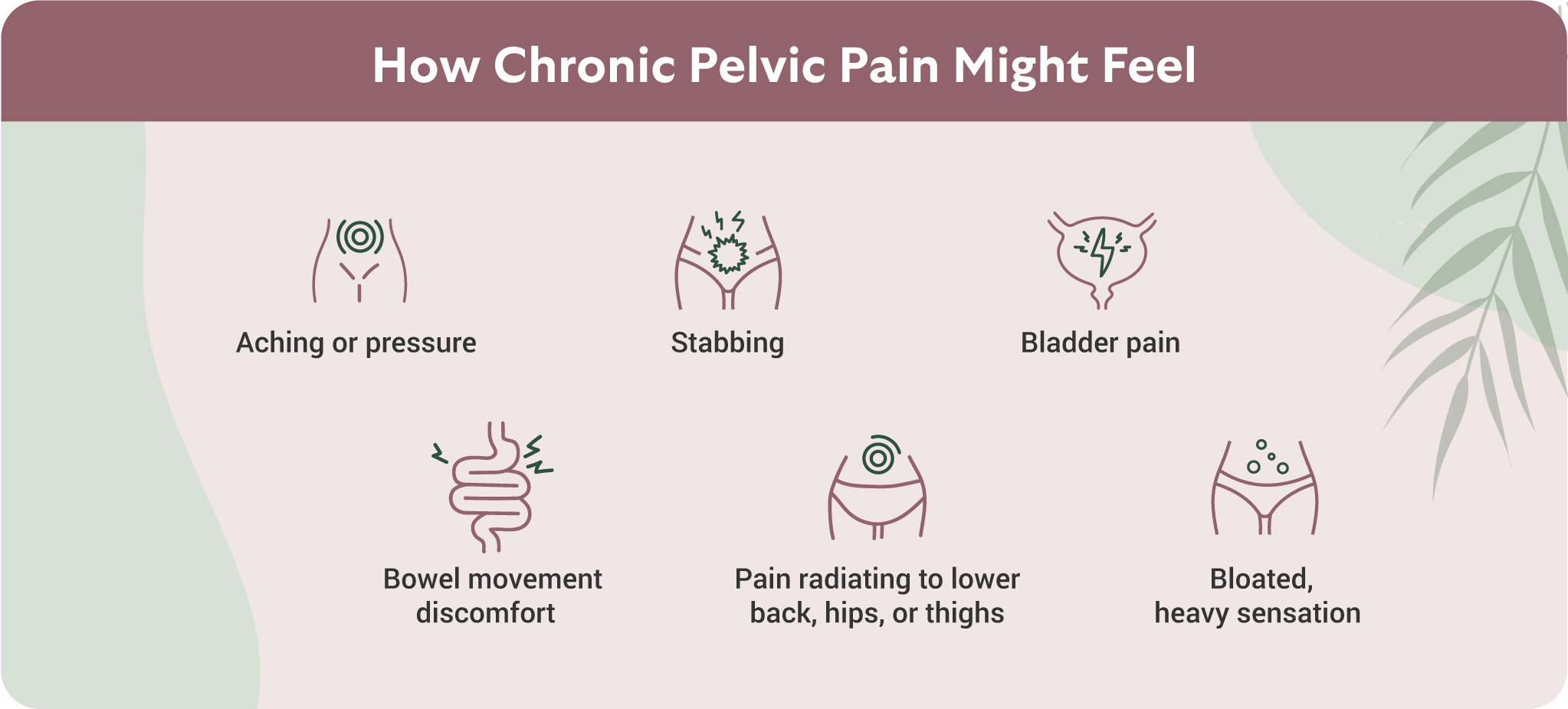
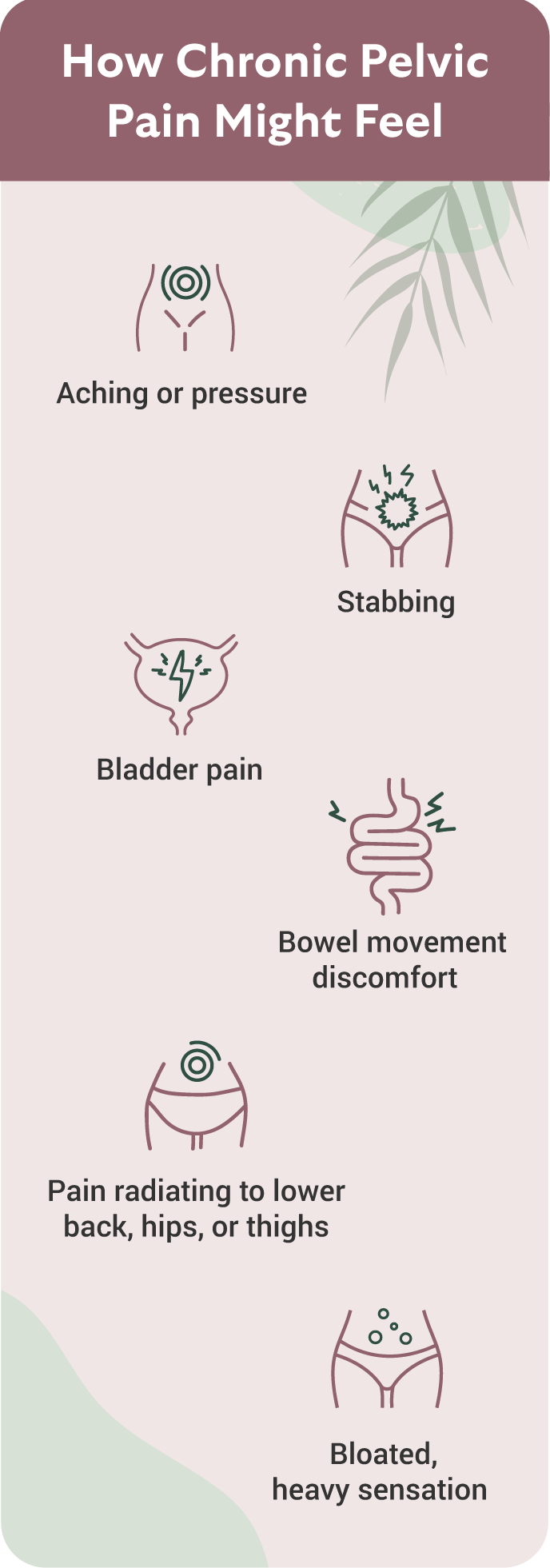
A powerful part of the discussion focused on how chronic pelvic pain is now being understood more broadly. Rather than being limited to reproductive organs, it is recognized as a complex condition involving multiple systems.
Globally, chronic pelvic pain (CPP) affects up to 25% of women, making it a significant public health issue. A consensus statement from the International Federation of Gynecology and Obstetrics (FIGO) and the International Pelvic Pain Society (IPPS) on chronic pelvic pain emphasized the importance of expanding access to multidisciplinary care, enhancing patient education, and prioritizing CPP research and funding.
Key insights from this shift:
- Endometriosis is one cause of chronic pelvic pain, but not the only one.
- Pain can involve musculoskeletal, neurologic, gastrointestinal, and urologic systems.
- A multidisciplinary approach leads to better outcomes.
This evolving framework supports more comprehensive, patient-centered care.
5. Mental health is a critical part of the endometriosis journey.
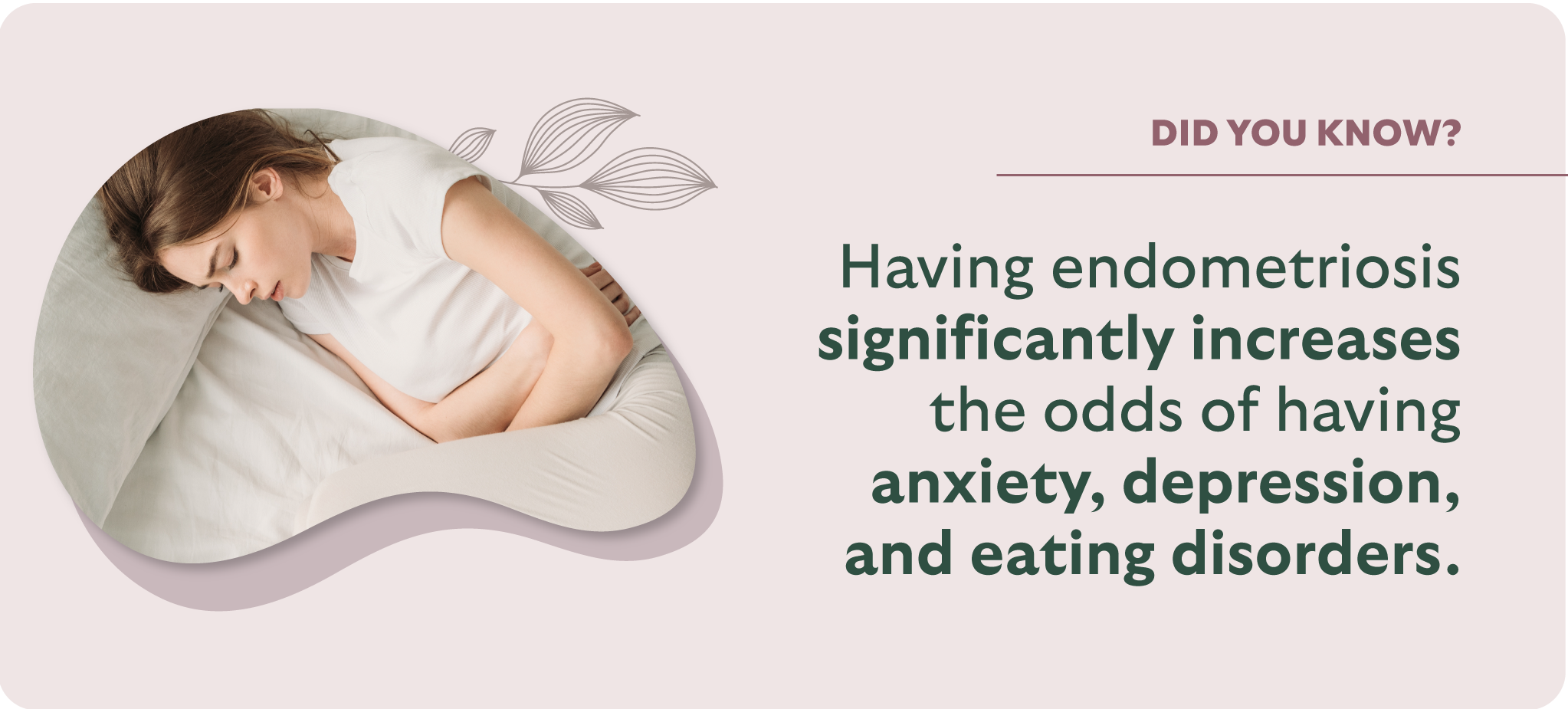

The panel also highlighted the psychosocial impact of endometriosis, with moderator Casey Berna emphasizing the importance of mental health support.
Research shows that individuals with endometriosis have significantly higher rates of:
- Anxiety
- Depression
- Eating disorders
- Reduced quality of life
These experiences are often shaped by delayed diagnosis, chronic pain, and feeling dismissed by providers. But it’s worth noting that there appears to be a genetic component as well. That’s why integrating mental health support into endometriosis care is essential for long-term healing and well-being.
What This Means for Your Care
This conversation reflects both progress and ongoing challenges in endometriosis care.
If you are navigating symptoms or a diagnosis, these insights may help guide your next steps:
- Understand the timeline. Delayed diagnosis is common, but early evaluation with the right provider can help.
- Seek specialized care. Expertise in excision and pelvic pain improves outcomes.
- Be aware of systemic barriers. Insurance and training gaps are part of the landscape, but support is available.
- Think holistically. Pelvic pain often involves multiple systems, so consider your whole-body experience.
- Prioritize emotional support. Mental health is an essential part of care.
At ESSE Care, conversations like this one continue to shape how we approach patient care. Dr. Amanda Chu’s contributions to the panel reflect a commitment to advancing education, improving access, and treating the whole person.
If you are looking for care that considers the full picture of your health, our team is here to support you. Request Dr. Chu to speak at your next event here or reach out for care.