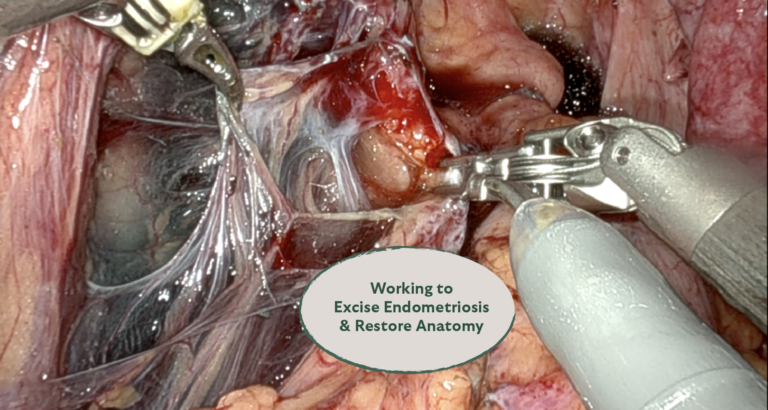
Scar tissue inside the pelvis or abdomen, known as adhesions, can develop after surgery, infection, or chronic pelvic conditions such as endometriosis. These internal bands of tissue can cause organs to stick together, sometimes leading to pelvic pain, fertility challenges, bowel obstruction, or increased surgical complexity. Open abdominal surgeries result in adhesions for about 90% of patients, while laparoscopic surgeries lead to adhesions for around 70% of patients, 90 percent of abdominal. They can also develop from trauma, infections, or conditions that cause inflammation.
At ESSE Care, we often encounter adhesions during procedures for endometriosis, fibroids, cysts, or infertility. When necessary, we perform adhesiolysis—a careful surgical process to release or remove scar tissue—so that your anatomy can be restored and your primary surgery can be performed safely and effectively.
What Is Adhesiolysis?


Adhesiolysis is a surgical technique used to gently separate or remove internal scar tissue that may be pulling organs out of position or obscuring vital anatomy. It is rarely a standalone procedure. Instead, it is typically performed when needed during another surgery such as:
- Myomectomy (fibroid removal)
- Cystectomy (ovarian cyst removal)
- Salpingectomy (fallopian tube removal)
The approach—laparoscopic, robotic-assisted, hysteroscopic, or open abdominal—depends on the type of surgery and your individual anatomy.
Myth vs. Fact: Understanding Adhesiolysis
| Myth | Fact |
|---|---|
| Adhesiolysis is always a separate, scheduled procedure. | In most cases, adhesiolysis is performed as part of another surgery when adhesions are discovered or must be cleared for safety. |
| All adhesions must be removed. | Only adhesions that interfere with surgery, anatomy, or organ function are treated. Some mild scar tissue can safely remain in place, especially if removing it poses a greater risk to organ function. |
| Once adhesions are removed, they never return. | Adhesions can reform over time, but advanced surgical techniques and anti-adhesion barriers can help reduce this risk. |
| Adhesiolysis is a simple procedure that any surgeon can perform. | Removing adhesions can be complex depending on where they are located and which organs are involved. Choose a well-trained surgeon who will tailor their approach for safety and precision. |
Why Might Adhesiolysis Be Necessary?


Adhesions can form silently over time, particularly after previous surgeries, infections, or inflammation caused by conditions such as endometriosis. While some adhesions cause no symptoms, others can:
- Distort or obscure normal anatomy
- Obstruct the bowels in up to 25% of patients with chronic adhesion-related pain
- Make surgery more technically challenging
- Increase the risk of organ injury
- Contribute to infertility or chronic pelvic pain
If adhesions are present, your surgical team will take special care to address them safely. In more complex cases, we may work alongside other specialists, such as colorectal or urologic surgeons, to ensure comprehensive treatment and the best possible outcome.
In Some Cases, Removing Adhesions May Increase Surgical Risk
If extensive adhesions are anticipated (e.g., you’ve had multiple prior surgeries), your surgeon may recommend non-surgical options to treat your primary condition when appropriate, such as hormonal management for fibroids or conservative treatment for pain, to avoid the risks of performing another surgery on a heavily scarred abdomen.
How Adhesiolysis Is Performed
The surgical steps required to remove adhesions depend on the primary procedure. Adhesiolysis may involve:
- Laparoscopic tools (through small incisions)
- Hysteroscopic removal (through the vagina, no incisions)
- Robotic-assisted dissection (for precision in delicate areas)
- Open abdominal access (in rare or complex cases)
During the operation, the surgeon will visualize and assess the adhesions, then gently separate tissues that are stuck together using surgical tools. ESSE Care surgeons take special care to avoid injury to nearby organs such as the bowel, bladder, or ureters, collaborating with additional surgical specialists (e.g., colorectal, urologic, thoracic, etc.) as needed. Once adhesions are cleared, the surgeon(s) will proceed with the primary surgery.
Preparing for Surgery
Pre-operative steps mirror those of the main procedure, which might include:
- Imaging: Pelvic ultrasound or MRI
- Labs: Bloodwork to assess anemia or infection risk
- Medications: Stop blood thinners or supplements that affect healing
- Lifestyle prep: Nutrition, hydration, and smoking cessation are important
Your surgeon may discuss additional planning if adhesions are expected to involve the bowels, bladder, or other organs.
Aftercare, Recovery, and Follow-Up
Since adhesiolysis is part of another procedure, recovery depends on the primary surgery. In general:
- Hospital stay: Same-day discharge or overnight
- Return to light activity: 2–4 weeks
- Avoid lifting more than 10–15 lb.: 4–6 weeks
- Full recovery: 6–8 weeks for most minimally invasive surgeries
- Healing time internally: Up to 3–6 months
- Delay sexual activity, intense exercise, and core strengthening until cleared.
- Resume walking and light movement early to reduce risk of clots and help clear gas used in laparoscopic procedures.
The timing of any necessary follow-up appointments depends on the surgery. Most patients return for:
- Wound check and pathology review at 1–2 weeks post-op
- Longer-term check-ins for symptoms, fertility goals, or imaging follow-up
Call Your Surgical Team or 911 Immediately If You Experience:
- Fever over 101°F
- Severe pain not controlled by medication
- Heavy bleeding
- Difficulty urinating or passing gas
- Redness, drainage, or warmth at incision sites
- Persistent nausea or vomiting
Potential Risks and Complications of Adhesiolysis
Most risks are associated with the primary procedure, but specific risks from adhesiolysis include:
- Injury to bowel, bladder, or blood vessels
- Bleeding or infection
- New adhesion formation (recurrence)
- Extended surgery time
Rarely, adhesions may recur even after careful removal. Using anti-adhesion barriers or minimizing tissue trauma during surgery may help reduce this risk by up to 80%.
Long-Term Outlook
Success depends on the context. For some, adhesiolysis improves fertility, reduces pain, or allows safe completion of a more critical surgery. For others, the benefit is mainly structural, enabling the surgeon to safely reach and treat the underlying condition.
Can Adhesions Return?
Yes. Unfortunately, adhesions can re-form. The likelihood depends on your biology, the extent of dissection, and the nature of your condition. Some patients benefit from pelvic floor therapy, anti-inflammatory support, or repeat imaging if symptoms return.
Supportive Therapies
If you had extensive adhesions or complex surgery, supportive care may include:
- Pelvic floor physical therapy
- Scar tissue massage or myofascial therapy
- Nutritional or anti-inflammatory guidance
- Fertility-focused follow-up care
Your Surgical Journey at ESSE Care
At ESSE Care, we restore your anatomy and quality of life with precision and compassion. Whether adhesiolysis is part of your endometriosis excision, cystectomy, or fibroid surgery, you’ll receive:
- Individualized planning based on your anatomy and goals
- Minimally invasive techniques when possible
- Collaboration with specialty teams if needed
- Post-operative support to guide your healing process
If you’re facing surgery and you’re concerned about adhesions or their impact on your treatment, schedule a consultation with our team to understand what to expect and how we can help.