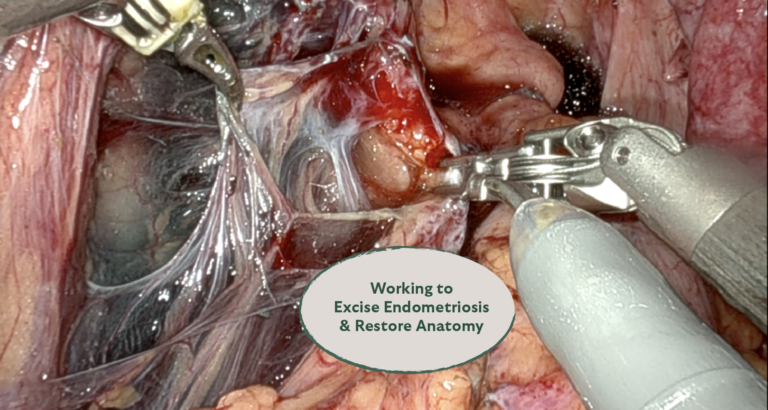
When your daily life is disrupted by pain, bleeding, or pressure from conditions like adenomyosis, fibroids, or endometriosis, and conservative treatments have failed—or were never offered—surgery may feel like a last resort. But it can be a new beginning.
At ESSE Care, we offer a personalized approach to hysterectomy: one that is grounded in evidence, surgical precision, and patient autonomy. Whether you’re looking to electively pursue a hysterectomy, relieve pain, stop abnormal bleeding, treat a gynecologic condition, reclaim your body after childbirth, or explore a modern mommy makeover, we are here to support you through every decision.
Why Choose a Hysterectomy?
A hysterectomy is the surgical removal of the uterus. While many associate it with menopause or aging, the reality is that this procedure can be an essential, life-restoring option for patients of all ages, especially those whose care has been dismissed or delayed due to age or fertility status.
At ESSE Care, we believe your quality of life should not be compromised while waiting for the “right” time to get help. For those suffering from debilitating menstrual cycles, hormonal therapies that don’t work, or complex gynecologic conditions, hysterectomy may be the definitive path forward.
You don’t need to have given birth to be taken seriously about your desire for a hysterectomy. The doctors at ESSE Care recognize that some patients don’t plan to carry a pregnancy—ever—while others simply can’t due to complex health conditions. Regardless, every patient deserves a say in their reproductive choices.
Will a Hysterectomy Put Me into Early Menopause?
A hysterectomy with ovarian preservation does not put you into menopause. Even a total hysterectomy, which removes the uterus and cervix, leaves the ovaries in place. It will stop you from having any further menstrual periods. You will no longer be able to carry a pregnancy, but for many patients who have suffered throughout their reproductive years, a hysterectomy helps them reclaim their lives.
Who Might Benefit from a Hysterectomy?
You may be a candidate for robotic, laparoscopic, or open hysterectomy if you:
- Have been diagnosed with adenomyosis, uterine fibroids, endometriosis, or complex pelvic adhesive disease
- Experience heavy or painful periods that have not responded to hormonal or conservative therapies
- Have a structurally abnormal or enlarged uterus
- Are suffering from scarring or pain after a C-section
- Have completed your family or chosen not to pursue pregnancy
- Desire gender affirming surgery
- Are seeking a combined approach to address both gynecologic and abdominal wall concerns
- Have a strong family history of cancer, genetic risk of cancer or desire risk reductive surgery
Elective hysterectomy may also be considered in patients who are not good candidates for hormonal treatment of severe painful periods or heavy periods requiring blood transfusions. These patients often have one of the disease processes mentioned above.
Those with debilitating periods, heavy bleeding that disrupts daily life, or complex pelvic conditions should be offered all treatment options, both conservative and definitive. An open discussion with your surgeon helps you understand these choices and take control of your health. For those who have been suffering, the right treatment can restore function, safety, and a sense of ownership over their well-being.
What Does Hysterectomy Surgery Involve?


We perform hysterectomy using minimally invasive techniques—including robotic-assisted and laparoscopic surgery—or via a low, open abdominal incision when needed. This procedure includes salpingectomy* (removal of fallopian tubes), and can include oophorectomy (removal of ovaries), excision of endometriosis, and even coordinated plastic surgery for those seeking a combined restorative and aesthetic transformation.
Depending on your anatomy, symptoms, and goals, your hysterectomy may be performed using:
Robotic-Assisted or Laparoscopic Technique
Small incisions (typically 3–5, about 1cm each) are made in the abdomen. A camera and robotic tools are used to carefully remove the uterus and fallopian tubes through the vagina or a specimen retrieval system. The procedure takes 1.5 to 3 hours (depending on the complexity of the case and if advanced endometriosis is present). Most patients go home the same day.
Open (Abdominal) Hysterectomy
If you have a very large uterus, complex anatomy, or are combining procedures such as abdominoplasty or hernia repair, an open approach may be recommended. This involves a low, horizontal (bikini-line) incision. It provides safe access to remove the uterus and fallopian tubes and complete any planned reconstructive work. Hospital stay is typically one night.
*Removal of fallopian tubes is currently the standard of care to reduce ovarian (primary peritoneal) cancer risk.
Optional Additions
- Removal of ovaries (oophorectomy) if medically indicated or personally desired (Note: This puts the patient into surgical menopause, if not already menopausal; Hormone replacement may be recommended until age 51).
- Endometriosis excision
- Diastasis recti repair
- Abdominoplasty (tummy tuck) or skin removal
- Hernia repair or liposuction
In all cases, we use advanced surgical techniques designed to minimize trauma, preserve nerves and surrounding organs, and reduce scar tissue formation.
What About My Ovaries?


One of the most common myths we hear is that hysterectomy automatically causes menopause. This is only true if the ovaries are removed when you are not already in menopause.
At ESSE Care, your ovaries are preserved unless there is a specific reason (or it is the patient’s personal preference) to remove them—such as a mass, severe endometriosis, or personal/family history of ovarian cancer. If you keep your ovaries, you will not go into menopause immediately after hysterectomy—you will go into menopause close to your natural age.
Even if one ovary is removed, the remaining ovary can continue to function normally, albeit typically at reduced function compared to having both ovaries.
Combining with Cosmetic or Structural Repair
For some patients, the hysterectomy is just one part of the story.
If you have loose abdominal skin, diastasis recti, defective C-section scars, or hernias, we may recommend a combined procedure with our plastic surgery partners. This approach, sometimes referred to as a “modern mommy makeover,” allows for functional restoration and cosmetic enhancement in one surgery and one recovery.
This option is especially powerful for women who feel like their bodies were never the same after pregnancy—and who are ready for both relief and renewal.
What Is Hysterectomy Recovery Like?
Video: Post-Hysterectomy Follow-Up
Recovery depends on the surgical route, your overall health, and whether combined procedures were performed.
Here’s an example of what healing timeline could look like:
- Same-day discharge for most minimally invasive cases
- Longer hospital stays for open procedures or combined surgeries
- Light activity within 1–2 weeks
- Return to desk work by 2-6 weeks depending on approach and job
- Pelvic rest (no lifting more than 10 lb. or strenuous workouts) for 6 weeks
- Full internal healing in 10-12 weeks
- No vaginal intercourse for 12 weeks (Vaginal sutures take 10-12 weeks on average to absorb. We recommend a vaginal suture check at this time.)
Most patients report that the pain is very manageable with oral medications, and many feel better within days—not weeks.
If you undergo abdominoplasty or abdominal wall repair, you may have drains placed, and restrictions will be longer. Our team provides detailed guidance tailored to your procedure.
Note: This is a high-level, non-medical overview intended to provide general guidance. Each plan is individually tailored based on your body, recovery needs, and surgical findings.
Hysterectomy Risks and Considerations
As with any surgery, hysterectomy carries risks. These include bleeding, infection, injury to surrounding organs, or delayed healing. However, minimally invasive techniques and robotic assistance significantly reduce these risks.
For patients with endometriosis, removing the uterus may not address all physical sources of pain unless excision is performed at the same time. If you’ve had prior surgeries, we may also discuss the possibility of adhesions and how we’ll address them.
Every ESSE Care patient receives a thorough preoperative consultation to review personal risks and ensure the safest surgical plan.
Will a Hysterectomy Cure My Condition?
For conditions like adenomyosis or fibroid-related bleeding, hysterectomy is considered curative.
If you have endometriosis or pelvic adhesions, removing the uterus can help—but symptoms may persist if disease is located outside the uterus. This is why we always evaluate and treat coexisting pathology during your hysterectomy.
For those undergoing combined procedures, you may notice improvements in posture, pelvic stability, and core strength, in addition to gynecologic symptom relief.
Does a Hysterectomy Cause Prolapse, Poor Posture, or Mid-Section Weight Gain?
The short answer is no, hysterectomy does not directly cause prolapse, poor posture, or mid-section weight gain. Here’s some more detail:
- Prolapse: Patients who have delivered multiple children vaginally are at the highest risk of prolapse regardless of hysterectomy, with additional risk for those with connective tissue disorders like Ehlers-Danlos syndrome.
- Poor posture: Hysterectomy doesn’t cause poor posture because the uterus is not the anchor of the pelvis. Your spine and core abdominal muscles are separate structures that solidify and encompass your core.
- Weight gain: Hysterectomy with ovarian conservation does not significantly alter your hormones, put you into menopause, or change your weight. Some patients even lose weight if they have an enlarged fibroid uterus or advanced adenomyosis with pelvic inflammation prior to surgery.
We always recommend patients gradually build an exercise routine to improve bone density, core strength, and pelvic floor strength. Our pelvic floor physical therapy partners can help you get started.
Preparing for Hysterectomy Surgery
Prior to your procedure, you may undergo or receive:
- Pelvic ultrasound or MRI
- Pre-operative labs
- Medication review and clearance
- Instructions on diet, fasting, bowel prep (if needed), and anesthesia
- Surgical planning with gynecology and plastic surgery (if combined)
You’ll also receive detailed aftercare instructions to support a smooth and supported recovery.
Hysterectomy Follow-Up and Support
Video: Novia’s Hysterectomy Journey
After surgery, your doctor will schedule follow-up appointments at 1-2 weeks and again at 6–8 weeks. We check healing progress, answer questions, and offer any necessary or desired supportive therapies such as pelvic floor therapy, scar care, or integrative recovery tools.
Our team is always available for urgent questions, and we educate you on serious signs to watch for, such as fever, heavy bleeding, or wound concerns.
We are committed to your care before, during, and long after the procedure itself.
Why This Matters
For many patients, hysterectomy is not the first choice, but it’s the right one after years of symptoms, failed treatments, and feeling unheard. For others, hysterectomy is their first choice, and with thorough informed consent, we fully support this too.
At ESSE Care, we go beyond restoring anatomy. We help patients reclaim their time, energy, relationships, and self-trust. Whether you are pursuing hysterectomy for relief, healing, or wholeness, we are here to help you move forward with confidence and clarity.
Contact our team today for a case review consultation.