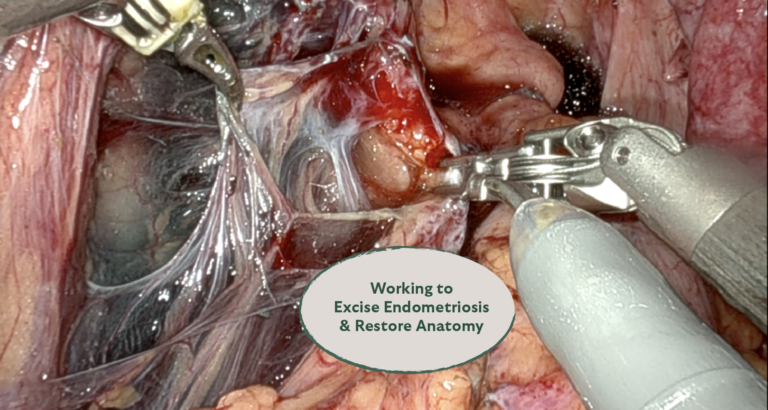
Adolescent endometriosis is a form of endometriosis that begins during puberty and the early reproductive years—often shortly after a teen’s first menstrual cycle.
Endometriosis occurs when tissue similar to the uterine lining grows outside the uterus, leading to inflammation, pain, and disruption of surrounding organs. Although endo may develop in adolescence, it is frequently overlooked in teens. Symptoms are frequently attributed to normal hormonal changes, growth, or “typical period pain,” which can delay diagnosis for years.
At ESSE Care, we regularly evaluate and treat young patients, including those as young as 13, when symptoms suggest underlying disease or there is a family history of endometriosis, adenomyosis, infertility, or pelvic pain. Understanding how endometriosis presents during puberty—and recognizing when symptoms go beyond what’s typical—can make a meaningful difference in how early it is diagnosed and how effectively it is treated.
Why Endometriosis Is Often Missed in Teens


Puberty is a time of significant physical and hormonal change. Because of this, many early signs of endometriosis are normalized or misattributed, both by families and healthcare providers.
Symptoms are often explained as:
- “Your body is just adjusting to your period.”
- “Cramps are normal at your age.”
- “It will get better as you get older.”
While mild discomfort can be part of early cycles, persistent, severe, or worsening symptoms are not considered typical.
This overlap between normal puberty and early disease is one of the biggest reasons adolescent endometriosis goes undiagnosed.
How Endometriosis Presents During Adolescence
Endometriosis in teens doesn’t always look the way people expect. Knowing how and when symptoms may appear can help families recognize the signs and advocate for further evaluation.
Common Patterns in Young Patients
| Pattern | What It Looks Like |
|---|---|
| Early-onset pain | Symptoms begin soon after first periods |
| Progressive symptoms | Pain worsens over months or years |
| Treatment-resistant pain | Minimal relief from over-the-counter medication or hormonal therapy/birth control |
| Non-cyclic symptoms | Pain outside of periods (daily or intermittent) |
| Overlapping symptoms | Gastrointestinal or urinary symptoms mistaken for other conditions |
Endometriosis Symptoms to Watch for in Teenagers
While every patient is different, certain symptoms should raise concern—especially if they interfere with daily life.
Key symptoms include:
- Severe or worsening period pain (dysmenorrhea)
- Pain that starts before bleeding and lasts beyond it
- Pelvic or abdominal pain between cycles
- Pain with bowel movements or urination
- Bloating, constipation, or diarrhea (often mistaken for irritable bowel syndrome (IBS))
- Nausea or vomiting during periods
- Fatigue or low energy
- Pain that limits school, sports, or social activities
When Symptoms Are Dismissed
Many teens are told their symptoms are “normal,” leading them to adapt around pain rather than investigate it.
This can look like:
- Missing school regularly during periods
- Avoiding activities or sports
- Relying heavily on pain medication
- Accepting pain as part of daily life
In some cases, these patterns may reflect early chronic pelvic pain (CPP) rather than typical menstrual discomfort.
“Silent” or Subtle Endometriosis
Not all adolescent endometriosis presents with severe pelvic pain.
Some patients experience only mild or inconsistent symptoms, such as mild body aches or urinary/bowel discomfort, that are then attributed to digestion, stress, or hormonal shifts. This is often referred to as silent endometriosis.
Even without dramatic symptoms, inflammation and disease progression may still be occurring, sometimes contributing over time to conditions like chronic pelvic pain.
The Role of Family History in Endometriosis
Endometriosis has a strong genetic and familial component. Studies show that the first-degree relatives of a woman with endometriosis are four to seven times more likely than the general population to also have the disease. As a result, when a teenager is diagnosed, it often reveals a broader pattern within the family.
It is common to identify:
- A mother with a history of painful periods, infertility, or adenomyosis.
- Sisters with similar early symptoms.
- Relatives with undiagnosed pelvic pain or fertility challenges.
At ESSE Care, when endometriosis is found in a young patient, we often recommend awareness or evaluation of close family members, particularly if symptoms are present.
In many cases, this leads to long-overdue answers across generations.
Endometriosis Diagnosis in Adolescents
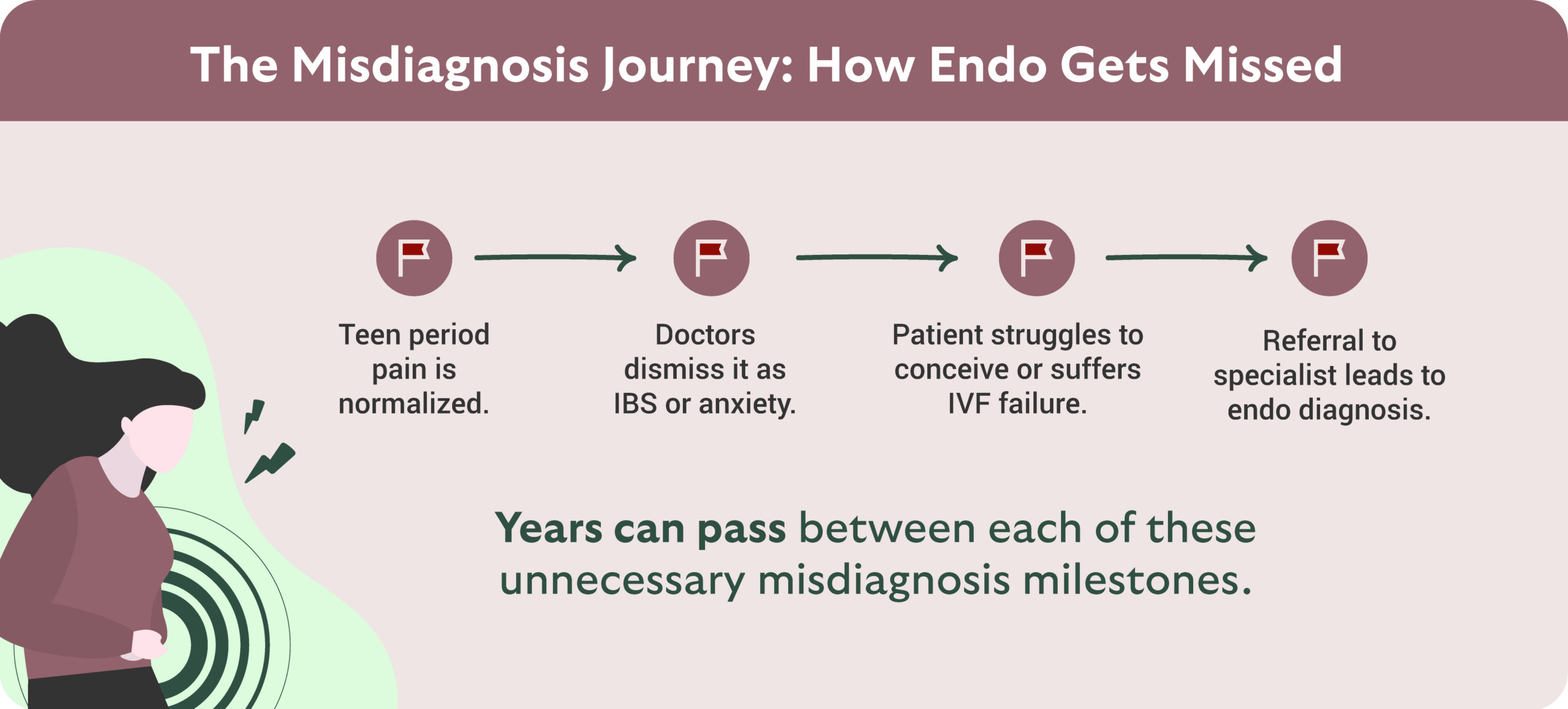
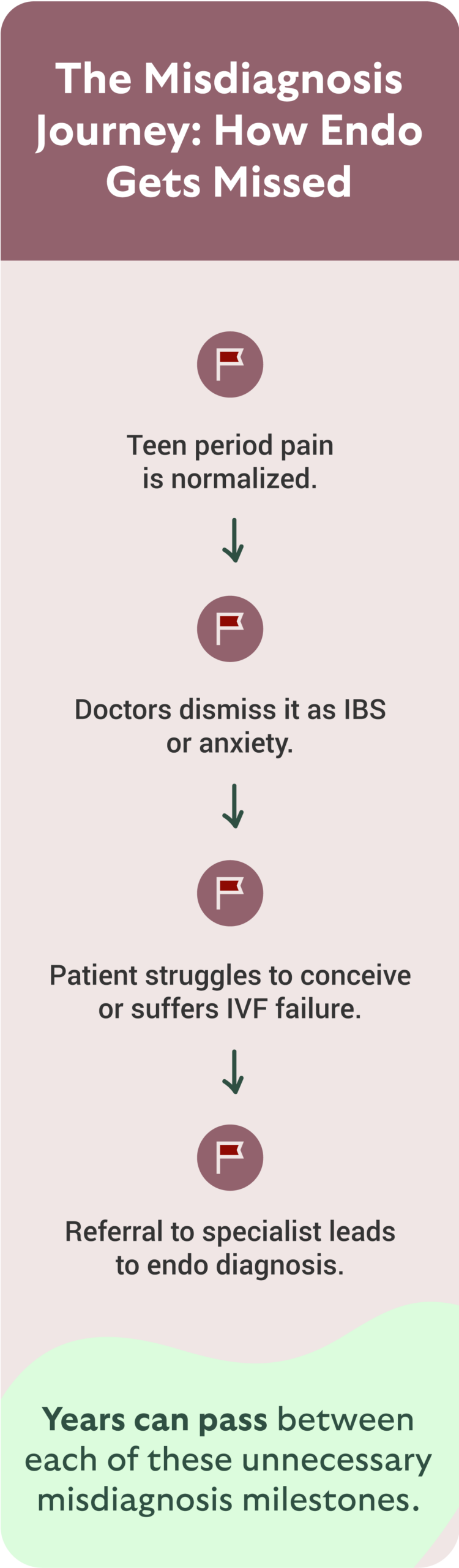
Diagnosing endometriosis in teens can be challenging because:
- Imaging is often normal in early disease.
- Symptoms overlap with gastrointestinal conditions like irritable bowel syndrome (IBS).
- Pain may be attributed to primary dysmenorrhea rather than underlying disease.
- Parents or healthcare providers may hesitate to pursue surgical evaluation in young patients.
What to Expect During Endometriosis Evaluation
| Step | Purpose |
|---|---|
| Clinical history | Identifies symptom patterns and red flags |
| Imaging (ultrasound/MRI) | Rules out other conditions, may detect advanced disease |
| Symptom tracking | Helps identify cyclical or progressive patterns |
Your quest for answers may begin with a pediatrician or family doctor, who may not be trained to distinguish the signs of endo from a normal menstrual period in adolescents. If you or your teen isn’t satisfied with the first evaluation, ask for a referral or seek a second opinion from an endometriosis specialist.
Consider a specialist evaluation if a teen has:
- Severe or worsening period pain
- Pain that interferes with school or daily activities
- Symptoms that do not improve with standard treatments
- A family history of endometriosis or adenomyosis
An endo specialist like those at ESSE Care will take the time to understand the full symptom history (along with any past treatments and their effectiveness), order diagnostic imaging, and provide guidance on how to track symptoms throughout the menstrual cycle to provide more precise information. While these steps are all helpful tools, it’s important to know that laparoscopic surgery remains the gold standard for diagnosing endometriosis. If disease is found, excision is performed at the same time. We understand that parents may worry about the risks of their child undergoing laparoscopy. At ESSE Care, we talk through the whole process with you to help you and your teen choose the best path forward.
Endometriosis Treatment in Teens
Treatment is individualized based on symptoms, disease suspicion, and patient goals. Although there is no “cure” for endometriosis, there are both surgical and non-surgical options for managing the disease.
Non-Surgical Support
| Approach | Purpose |
|---|---|
| Hormonal therapy (e.g. birth control) | Suppress cycle-related symptoms |
| Pain management | Improve daily functioning |
| Pelvic floor physical therapy | Address muscular contributors to pain |
| Integrative care (acupuncture, nutrition, etc.) | Support inflammation and whole-body health |
These approaches may help manage symptoms but do not remove endometriosis lesions. We recommend that teens with suspected endometriosis continue to be monitored by an endo specialist on a regular basis.
Surgical Treatment
When symptoms are severe, persistent, or impacting quality of life, excision surgery may be considered.
At ESSE Care, we:
- Perform advanced, minimally invasive excision surgery in adolescents aged 13+ with parent permission.
- Prioritize patient safety and fertility preservation.
- Focus on complete and precise removal of disease.
Why Early Recognition Matters


When endometriosis begins in adolescence and is left unaddressed, it can contribute to:
- Chronic pelvic pain (CPP)
- Central sensitization, a condition where the central nervous system becomes overly sensitive to pain signals
- Adhesions (scar tissue) that affect organ function
- Disruption of education and development
- Emotional and mental health strain
- Potential fertility challenges later in life
Early evaluation allows for intervention before these patterns become more complex and difficult to treat.
Long-Term Outlook for Adolescent Endo
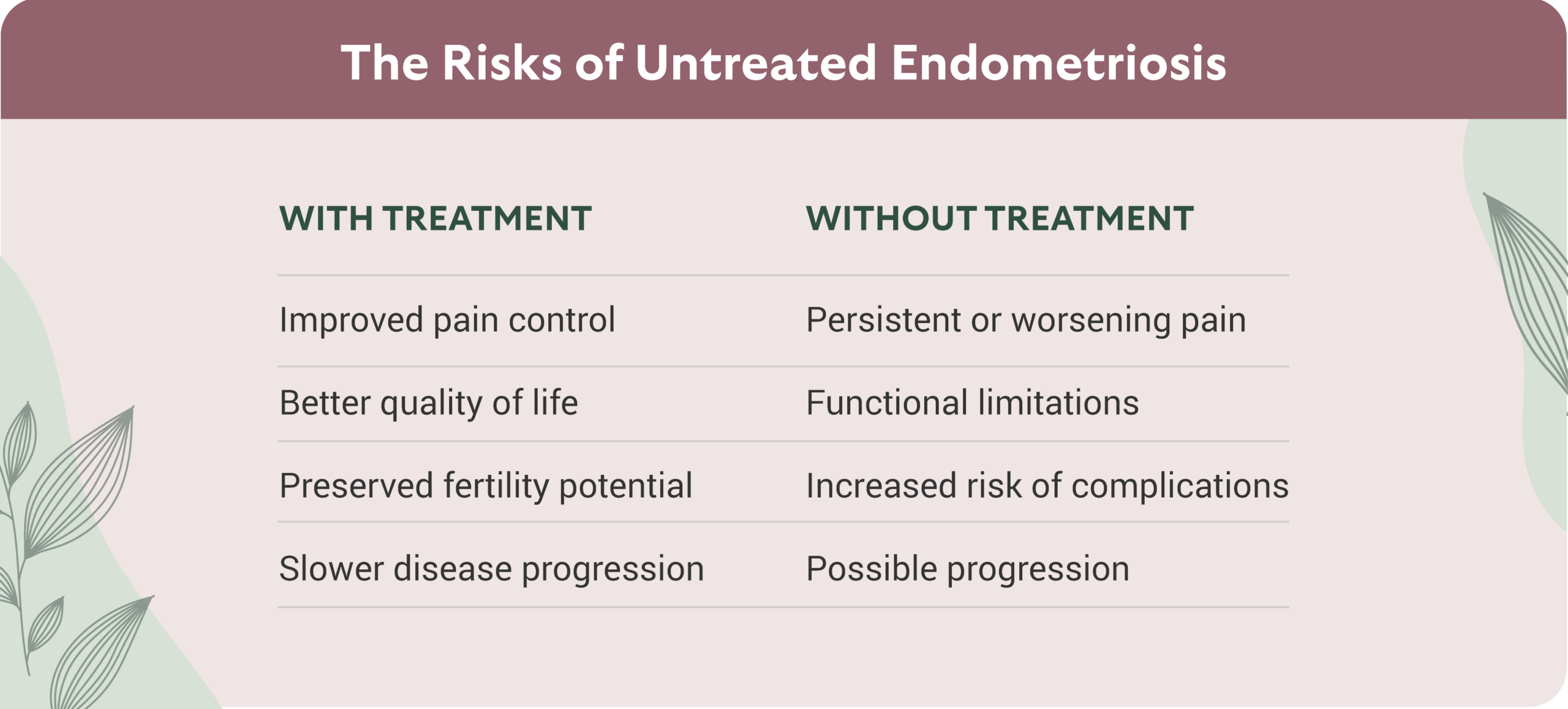
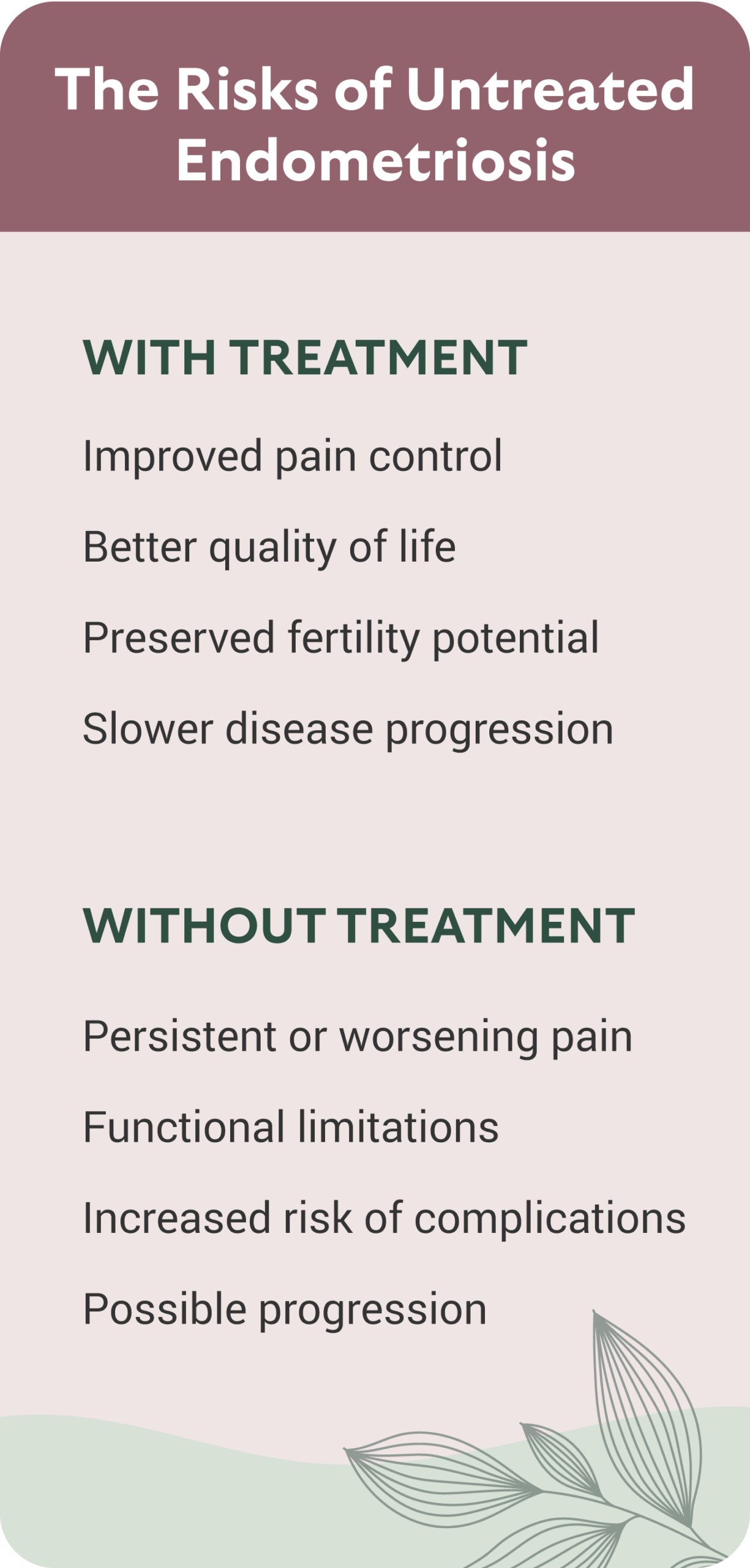
Endometriosis is a chronic condition, but with the right care, adolescents can experience less pain, better quality of life, preserved fertility, and slower disease progression.
The ESSE Care Approach to Adolescent Endometriosis
Endometriosis in teenagers is real, common, and often overlooked. We approach adolescent endometriosis with the understanding that young patients are often early in their journey—and frequently dismissed.
Our care for teens focuses on:
- Taking symptoms seriously from the start.
- Recognizing patterns others may miss.
- Providing expert surgical care when appropriate.
- Supporting both the patient and their family.
If something feels off, it’s worth asking more questions. Early answers can change the course of care—for both the patient and often the entire family.
Schedule a consultation with an ESSE Care doctor today.