Endometriosis is an extremely misunderstood disease, which is why you may only think of it as painful periods. Even many doctors don’t realize that endometriosis can implant in areas far from the pelvis, leading them to miss some of the signs of more extensive disease, including thoracic endometriosis (affecting the lungs) and diaphragmatic endometriosis (affecting the diaphragm).
If you’re concerned that you may have this type of endo, don’t worry. We’re here to tell you everything you need to know.
Thoracic Endometriosis Syndrome (TES)


Endometriosis occurs when tissue similar to the uterine lining spreads outside the uterus and grows in response to the menstrual cycle. Thoracic endometriosis syndrome (TES) is the term experts use to describe the symptoms and medical signs of endometriosis that exist in parts of the chest cavity, such as the lungs, airways, diaphragm, or the lining around them.
What Causes Thoracic Endometriosis?
Experts believe that holes or pores in the diaphragm may allow endometriosis cells to pass from the pelvis and abdomen into the thoracic cavity, leading to lesions on the lungs and surrounding tissues. The exact cause is unknown.
How Rare Are Thoracic Endometriosis and Diaphragmatic Endometriosis?

About 12% of women with endometriosis have extrapelvic disease—meaning the endo lesions extend beyond the pelvic organs into more distant parts of the body. Few large studies exist on thoracic and diaphragmatic endometriosis specifically, but here’s what we know:
- One study found that 4.7% of patients with confirmed endometriosis have diaphragmatic endometriosis (DE).
- The same study found that 78% of patients with DE had advanced (Stage 3 or Stage 4) endo.
- Other studies have found that thoracic endometriosis syndrome (TES) is strongly associated with severe pelvic endometriosis.
In summary, thoracic and diaphragmatic endometriosis are rare, but their effects can be devastating. That’s why investigating your symptoms is so important.
Symptoms of Lung and Diaphragm Endometriosis


Researchers believe that up to 70% of patients with thoracic endometriosis syndrome are asymptomatic. But for those who do experience symptoms, these are the most common ones:
- Sharp chest pain or crackling/bubbling sensation, often worse with breathing
- Shoulder pain
- Upper abdominal pain
- Lung collapse (pneumothorax)
- Coughing up blood (hemoptysis)
- Blood collecting around lungs (hemothorax)
- Infertility
Because approximately 90% of diaphragmatic and thoracic lesions are located on the right side, pain felt in the chest, shoulder, and upper abdomen is often experienced on the right side of the body. And like other types of endometriosis, these symptoms typically follow a pattern that coincides with the menstrual cycle.
In extreme cases, one lung can collapse (catamenial pneumothorax), often on the right side. Patients experiencing a lung collapse may feel a sudden difficulty taking a deep breath, walking a block, or climbing stairs. This can feel like deep chest pressure or an elephant sitting on your chest, preventing you from breathing normally.


Although it is rare, lung collapse is an emergency. If you or a loved one experiences sudden trouble breathing, go to the emergency room immediately.
How Is Thoracic Endometriosis Diagnosed?
The path to diagnosis differs depending on the patient’s history and symptoms.
Unfortunately, when patients present with breathing-related symptoms at their primary care office or emergency room, doctors may misattribute them to a respiratory or pulmonary condition. You may even be told it’s just stress, anxiety, or asthma.
To investigate a diagnosis, ER doctors may order a CT scan or chest X-ray, especially if you’ve experienced a lung collapse. However, these imaging techniques are unlikely to detect smaller endometriosis lesions on the diaphragm or lungs.
If CT scans and X-rays fail to reveal the cause of your symptoms, seeing a doctor who specializes in endometriosis can help you get the diagnostic imaging you need. The most helpful imaging type in this case is an MRI scan, because MRIs have higher resolution than other common imaging types. However, MRIs can’t detect lesions smaller than 5 millimeters, and it’s unlikely you’ll be able to get one in an emergency setting, since MRIs are typically reserved for ER patients with acute neurological symptoms. That’s why talking to an endometriosis specialist is critical—they know what questions to ask to pinpoint the potential locations of endometriosis lesions, even when scans come back “normal.”
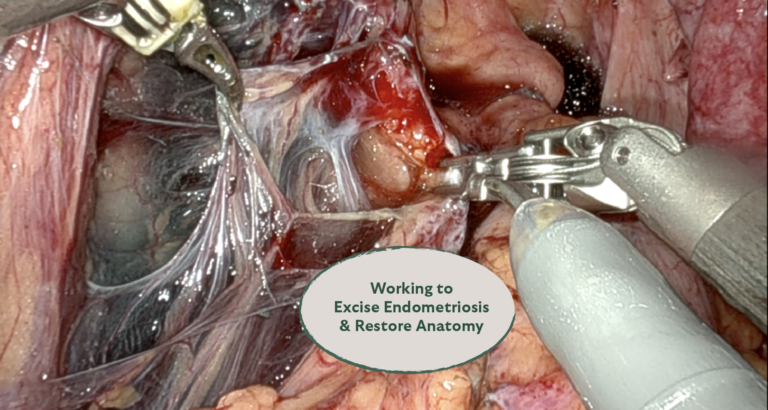
Like all types of endometriosis, the best way to diagnose thoracic endometriosis is through minimally invasive surgery (laparoscopy or thoracoscopy). Surgery is the only way for doctors to understand the full extent and severity of the disease and to remove it.
Treatment for Thoracic Endometriosis of the Diaphragm and Lungs
Hormonal treatment can help suppress periods and therefore minimize some of the cyclical symptoms patients experience, but it cannot cure thoracic endometriosis or any other type of endometriosis. Because thoracic endo is associated with severe disease, it’s important for patients to consider pursuing excision surgery sooner rather than later.
At ESSE Care, surgery for these cases is performed by endometriosis excision specialist Dr. Karli Provost Goldstein and a trained cardiothoracic surgeon experienced in the treatment of endometriosis. Both surgeons evaluate the patient and counsel them separately before the surgery, working together as a team to provide state-of-the-art care for diaphragmatic and thoracic endometriosis.
When treated by endometriosis experts, most women experience significant improvement after surgery, with minimal symptoms and a low recurrence rate reported. Though the idea of surgery can be scary, it’s also your best chance at feeling better and improving fertility outcomes, if desired.
Complications of Thoracic Endometriosis
Leaving endometriosis untreated is always a risk, and it’s a particularly big one when it comes to lesions on the diaphragm or lungs. Patients with thoracic endometriosis may have repeated lung collapses that lead to the need for chest tubes and multiple surgeries. Rarely, diaphragm hernias may develop, causing abdominal organs to move upward into the chest cavity through holes in the diaphragm. The related symptoms and complications of diaphragm hernias vary depending on the organs involved.
It’s important to remember that, without excision surgery, endometriosis lesions remain in the body and, most likely, will continue to spread. Even with hormonal treatment, endometriosis can grow over time, increasing the likelihood of severe complications.
We know that deciding on a treatment plan can feel overwhelming. That’s why ESSE Care works collaboratively with each patient and a team of experts to create a plan that you feel good about.
Breathe Easier with Treatment from Endometriosis Experts
Humans take more than 20,000 breaths a day. You shouldn’t have to struggle through them. Getting the right diagnosis starts with talking to the right people, and our team is ready to listen.
Reach out to ESSE Care today to schedule a consultation.