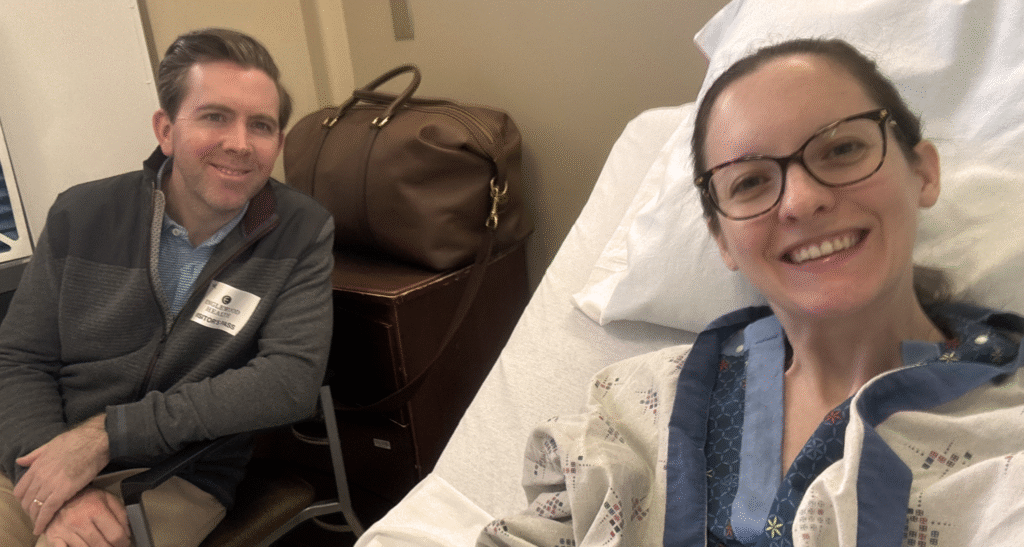
Not every patient who comes to us is without a diagnosis. In fact, many of our patients have had some type of surgery to address their symptoms, during which a surgeon discovers endometriosis—but they don’t perform the surgery, or the surgery that was performed did not fully remove the endometriosis.
This was the case for Anne, a patient in her 30s who found Dr. Goldstein after years of struggling with heavy periods, pelvic pain, and infertility that led her to two failed surgeries and many failed rounds of IVF. Despite her endometriosis diagnosis, she was still struggling. Working with Dr. Goldstein and a multidisciplinary team of experts, Anne finally found the care she needed.
Patient Case Summary: Years of Failed Treatments
By the time she became an ESSE Care patient, Anne had already endured years of inadequate care, including:
- Visiting a doctor for heavy periods at age 15 and receiving birth control pills.
- Discontinuing birth control use at age 30 to start conceiving, only to end up in the emergency room with a hemorrhaging ovarian cyst.
- A hysterosalpingogram (HSG, a type of X-ray) during a visit to a fertility specialist, which revealed that her fallopian tubes were blocked and dilated.
- Two failed surgeries to remove her fallopian tubes, during which endometriosis was discovered but not removed.
- Ureteral stents for hydronephrosis (swelling) of the kidneys, which should have been removed and replaced, but doctors failed to follow up to schedule the replacement
- Several failed IVF cycles without treatment of the root cause of infertility
- Respiratory symptoms Anne thought were unrelated, including shortness of breath with light activity and a bubbling sensation upon standing up after bending over
This long list may seem unusual, but, unfortunately, it’s all too common for endometriosis patients to visit many doctors before finding relief. Even with an endo diagnosis, non-pelvic symptoms are often dismissed, leading doctors to recommend treatments that only address symptoms or, worse, don’t help at all.
Diagnosis and Pre-Op: Asking the Right Questions

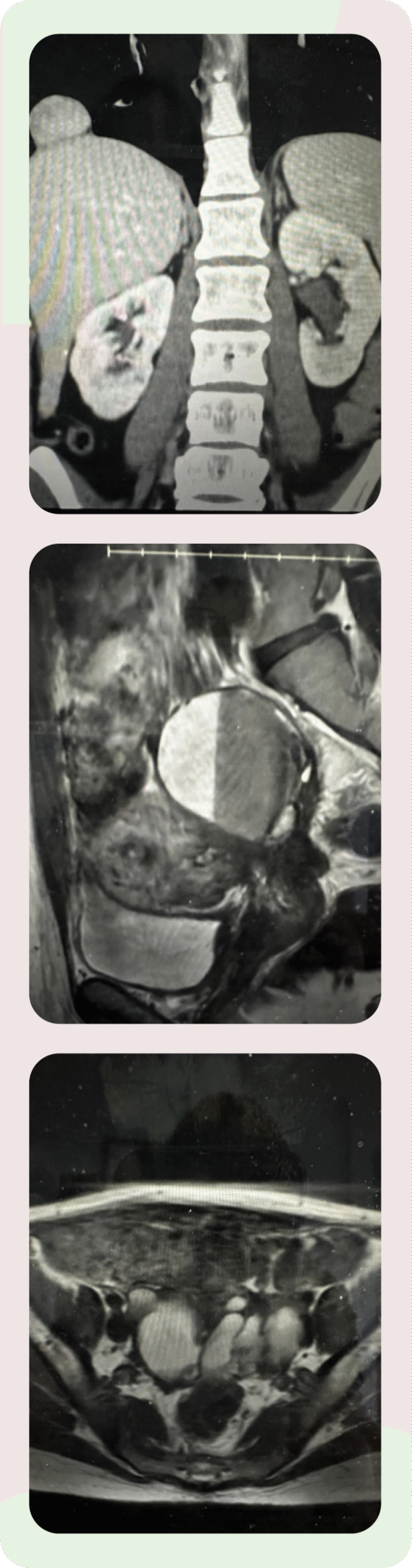
The doctors at ESSE Care are skilled surgeons and medical professionals, but listening may be their most important skill. During Anne’s consultation, Dr. Goldstein asked questions and suggested diagnostics that seemed obvious in hindsight but no other provider had suggested, including follow-up scans of her pelvis and abdomen to see whether anything was obviously wrong—with her endometriosis or otherwise.
What the scans found was shocking:
- A partially collapsed lung
- Her liver herniated into the thoracic cavity through a hole in the diaphragm
- Endometriomas throughout the pelvis
- Masses on the bladder and ureters
- The bowels and ovaries fused to the uterus (“frozen pelvis”) and the cul-de-sac region obliterated.
Dr. Goldstein instantly recognized the signs of severe, stage 4 pelvic endometriosis as well as thoracic endometriosis. The most urgent need was to reinflate Anne’s lung with a chest tube and allow it to heal. Dr. Goldstein coordinated care with a nearby hospital for the chest tube procedure, then scheduled endometriosis excision surgery for the following week.
For the first time in decades, Anne had a real treatment plan and a doctor on her team.
Inside the OR: Removing Endometriosis from Multiple Organs
Because Anne’s condition spanned many organs and areas of the body, Dr. Goldstein assembled a team of doctors—including a urologic surgeon and a thoracic surgeon—to assist on surgery day. They made small incisions to get a complete view of Anne’s pelvis, abdomen, and thoracic cavity, which allowed them to begin assessing the extent of the damage.
The cameras confirmed what the pre-op imaging had shown:
- Endometriosis implants, inflammation, and multiple fenestrations (holes) on the diaphragm
- Endometriosis on the pleura (lining around the lungs)
- Herniation of the liver into the chest cavity
- Fibrosis throughout the thoracic cavity
- Frozen pelvis and endometriomas throughout the pelvis
- Ureter five times the normal size due to hydroureter—a condition where one or both ureters become abnormally enlarged or dilated due to a blockage that prevents urine from draining into the bladder
Anne’s surgical team worked for nearly 9 hours to remove the endometriosis and restore her organs to normal function. The doctors mobilized the rectum, the sigmoid colon, and the bowels, which were fused together from a prior cystectomy. The kidney was moved back into the abdominal cavity, and the diaphragm was repaired.
Working meticulously, the surgeons were able to mobilize the hydroureter enough to avoid reimplantation, a procedure that creates a new connection from the ureter to the bladder. Instead, Anne received a temporary stent to help urine flow from her kidneys to her bladder during recovery. She wouldn’t need constant stent replacements or a reimplantation as her previous doctors had told her.
Finally, to help keep Anne comfortable and her body functioning while she healed, Dr. Goldstein’s team placed a catheter, pelvic drain, and chest tube, which would all be removed as drainage went down over time.
It was a long and complex procedure, but the surgeons were happy with the results and excited to follow Anne’s through recovery.
Video: Surgical Footage From A Multi-Organ Endometriosis Surgery
What to Expect After Surgery for Pelvic and Thoracic Endometriosis
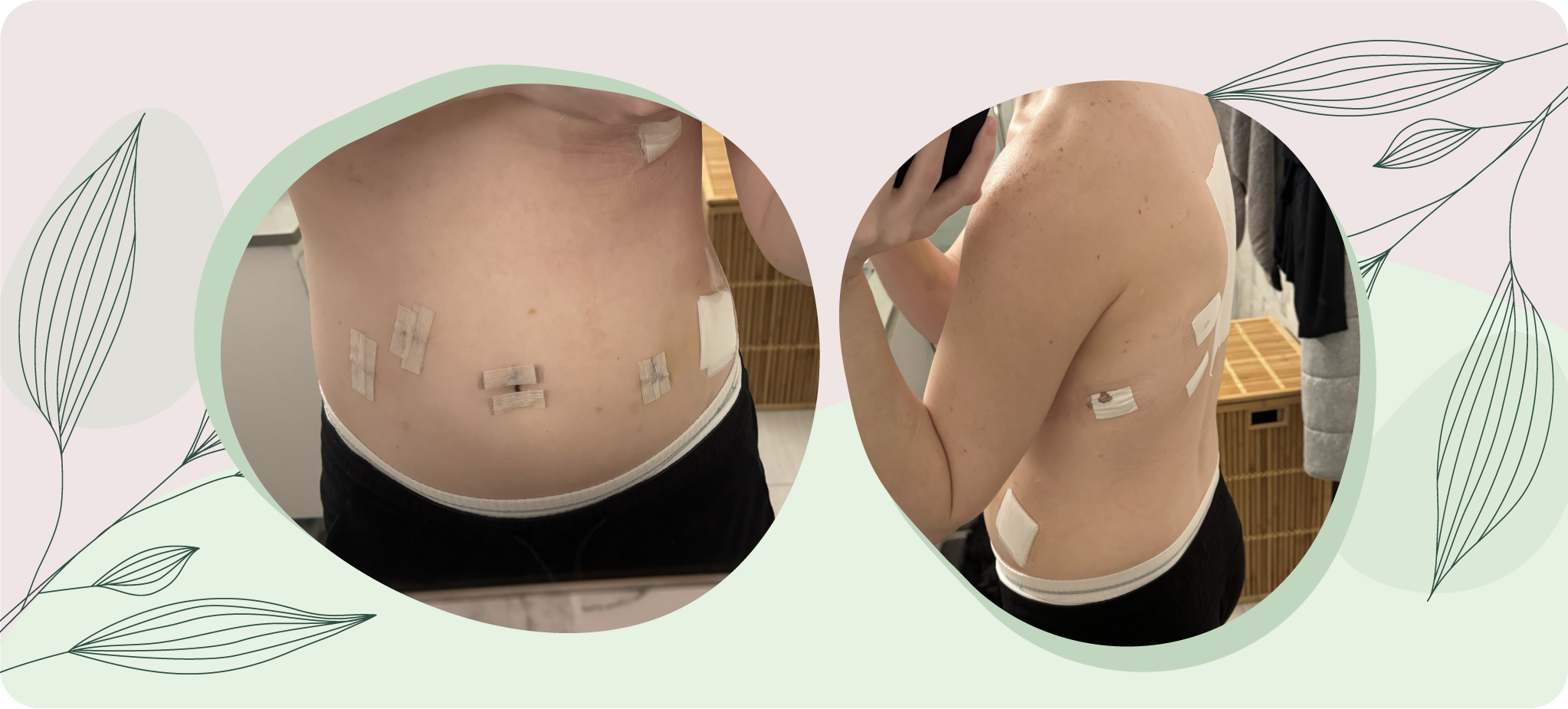
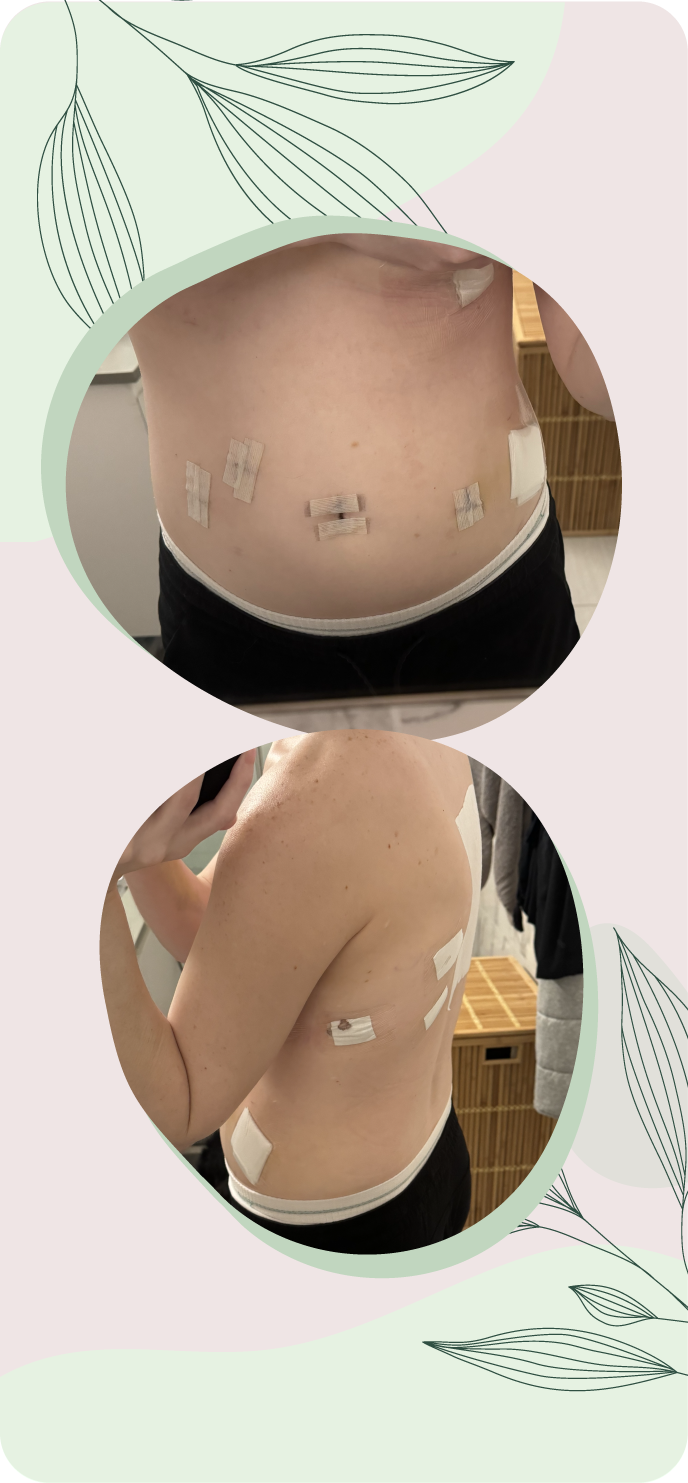
Healing after a long surgery that involves multiple organs isn’t easy, but it is worth it to feel better. In Anne’s case, a weight lifted off her shoulders—and her chest. She could breathe easier, both literally and figuratively, after so much diseased tissue was removed from her lungs and diaphragm.
Unlike the doctors who performed Anne’s prior surgeries, Dr. Goldstein offered hands-on care even after the initial operation was complete. She made sure to set Anne up with:
- Regular scans to assess progress
- In-person follow-up appointments
- Constant communication with Anne and her other doctors, including a new fertility specialist and the thoracic surgeon, Dr. Stavropoulous
Once Anne recovered from the surgery, she continued to use an incentive spirometer to monitor her lung capacity, do physical therapy, and work closely with her fertility team to plan her next steps.


Why This Matters
Video: Why Follow-Up Imaging Matters in Endometriosis and Fertility Care
Anne’s long and winding journey through the healthcare system highlights some important lessons for both patients and providers:
- Thoracic endometriosis doesn’t always cause dramatic symptoms. Patients may have extensive disease in the lungs and diaphragm while only feeling a vague sense that something is “off.”
- Endo can, and often does, affect organs besides the uterus and ovaries. Anne’s case involved the ureters, bladder, bowels, lungs, diaphragm, and kidneys, and we see many patients with at least one of these organs affected.
- Endometriosis requires collaborative care among experts. Although it would be ideal, it is unlikely that a gynecological surgeon alone—especially one without endometriosis expertise—can treat a complex case of endometriosis comprehensively.
Dr. G’s Final Thoughts
“This case demonstrates the importance of multidimensional care for endometriosis. The best endometriosis surgery happens when there’s a qualified team involved—not just a single surgeon—because it’s a multi-organ disease. I’m constantly thankful to have these experts available to work with me so that we can give patients like Anne the best possible result.” – Dr. Karli Provost Goldstein
If you know something is wrong in your body, don’t let any doctor tell you it’s all in your head. You deserve a provider who listens to you, asks the right questions, and has the expertise to treat your endometriosis properly.
Schedule a video or in-person consultation with ESSE Care today and see how it feels to be truly heard.