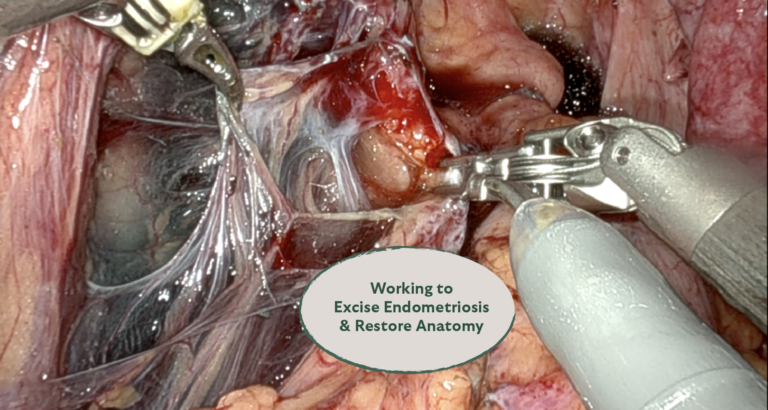
Pelvic adhesions are bands of internal scar tissue that form between organs and tissues inside the pelvis or abdomen. These adhesions can cause internal structures that normally move freely, such as the uterus, ovaries, bladder, bowel, or pelvic sidewalls, to stick together.
While scar tissue is a natural part of healing after surgery, infection, inflammation, or endometriosis, adhesions themselves can sometimes lead to chronic pelvic pain, digestive symptoms, infertility, painful intercourse, or restricted organ movement.
Not all adhesions cause symptoms. Many people may have adhesions without ever knowing it. But for others, pelvic adhesions can significantly affect quality of life. Unfortunately, they can be difficult to diagnose because they often do not appear clearly on standard imaging tests.
Recognizing when scar tissue may be contributing to your symptoms is an important step toward understanding persistent pain and identifying appropriate treatment options. But don’t worry—you don’t have to figure it out on your own.
Types of Pelvic Adhesions
Pelvic adhesions can vary in thickness, location, and severity. Some are thin and flexible, while others become dense and restrictive, limiting the movement of organs and surrounding tissues.
The chart below outlines common types of pelvic adhesions and how they may affect the body.
| Type of Adhesion | Description |
|---|---|
| Filmy adhesions | Thin, delicate bands of scar tissue that may cause mild pulling or tethering between organs |
| Dense adhesions | Thick scar tissue that can significantly restrict organ movement and contribute to chronic pain |
| Post-surgical adhesions | Scar tissue that develops after pelvic or abdominal surgery as part of the healing response |
| Inflammatory adhesions | Adhesions caused by chronic inflammation from conditions such as endometriosis or PID |
| Bowel adhesions | Scar tissue involving loops of bowel that may contribute to digestive symptoms or obstruction |
| Ovarian adhesions | Adhesions affecting the ovaries or fallopian tubes that may impact fertility or pelvic mobility |
The severity of symptoms does not always correlate with the amount of scar tissue present. Some individuals with extensive adhesions experience little discomfort, while others with smaller adhesions may experience severe pain or organ dysfunction.
Common Symptoms of Pelvic Adhesions
Symptoms of pelvic adhesions vary depending on where the adhesions are located and how they affect nearby organs, nerves, and muscles. Symptoms may develop gradually over time or appear soon after surgery, infection, or inflammatory disease.
Common symptoms may include:
- Chronic pelvic pain or pressure
- Pulling, tugging, or sharp sensations in the pelvis
- Pain that worsens with movement or stretching
- Pain during intercourse
- Pain with bowel movements or urination
- Bloating, constipation, or nausea
- Difficulty tolerating exercise or prolonged sitting
- Infertility or difficulty conceiving
- Ongoing pain after surgery
- Cyclical pain associated with menstruation
In severe cases, bowel adhesions can contribute to intestinal obstruction, which may cause:
- Severe abdominal pain
- Vomiting
- Abdominal swelling
- Inability to pass stool or gas
These symptoms require urgent medical evaluation.
Because adhesion symptoms overlap with many gynecologic and gastrointestinal conditions, diagnosis requires careful clinical evaluation and a thorough understanding of pelvic pain disorders.
What Contributes to Pelvic Adhesions?
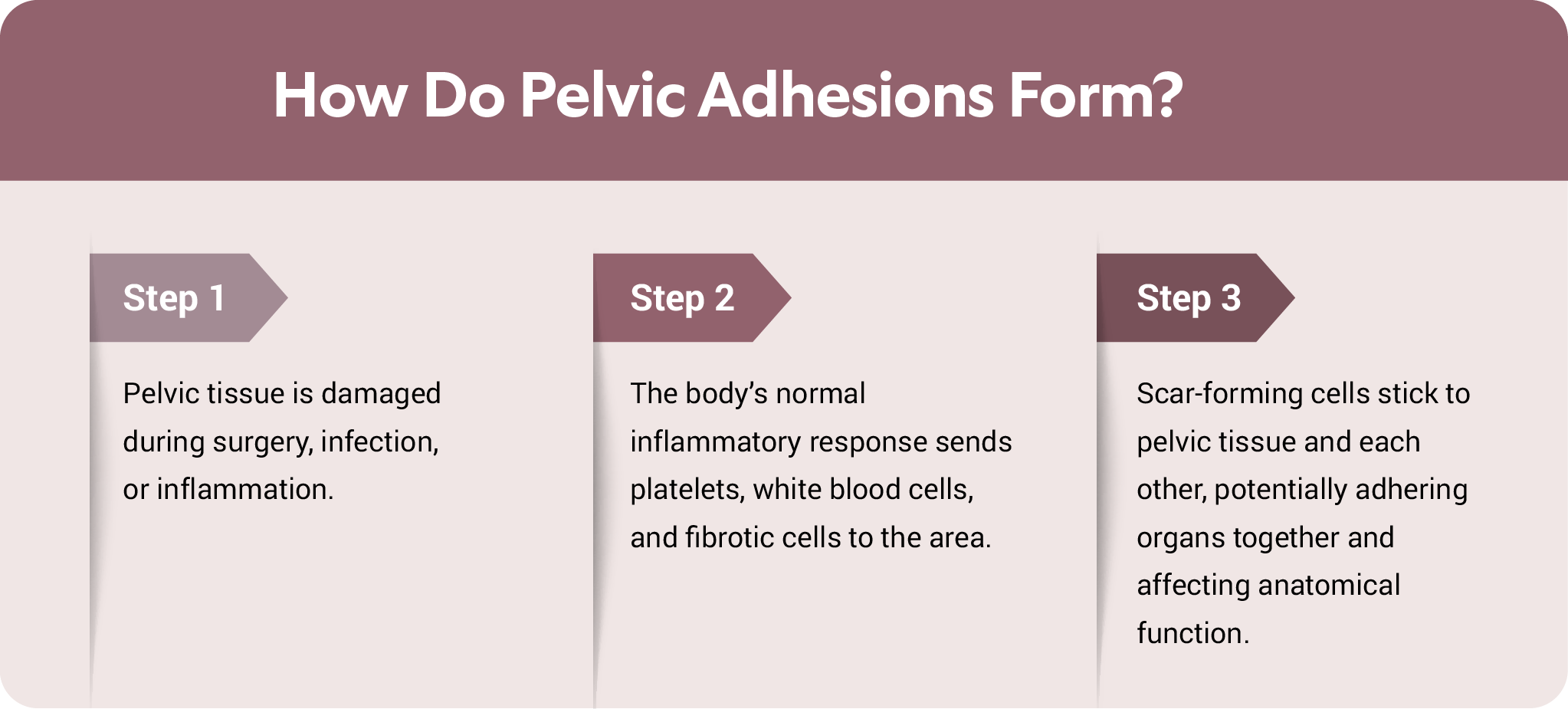
Pelvic adhesions develop as part of the body’s healing response after tissue injury, surgery, inflammation, or infection. During healing, collagen and fibrous tissue form to repair damage. In some cases, nearby tissues heal together instead of separately, creating internal scar tissue bands.
Factors that may contribute to adhesion formation include:
- Endometriosis and chronic pelvic inflammation and chronic pelvic inflammatio
- Ruptured endometriomas
- Prior pelvic or abdominal surgery
- Repeated surgical procedures
- Infection or pelvic inflammatory disease
- Tissue trauma or bleeding inside the pelvis
- Appendicitis or abdominal infection
- Radiation therapy
- Inflammatory bowel disease
- Genetic differences in healing and scar formation
Even minimally invasive surgery can lead to adhesions, although advanced surgical techniques are designed to minimize tissue trauma and reduce this risk whenever possible.
How Pelvic Adhesions Affect Daily Life
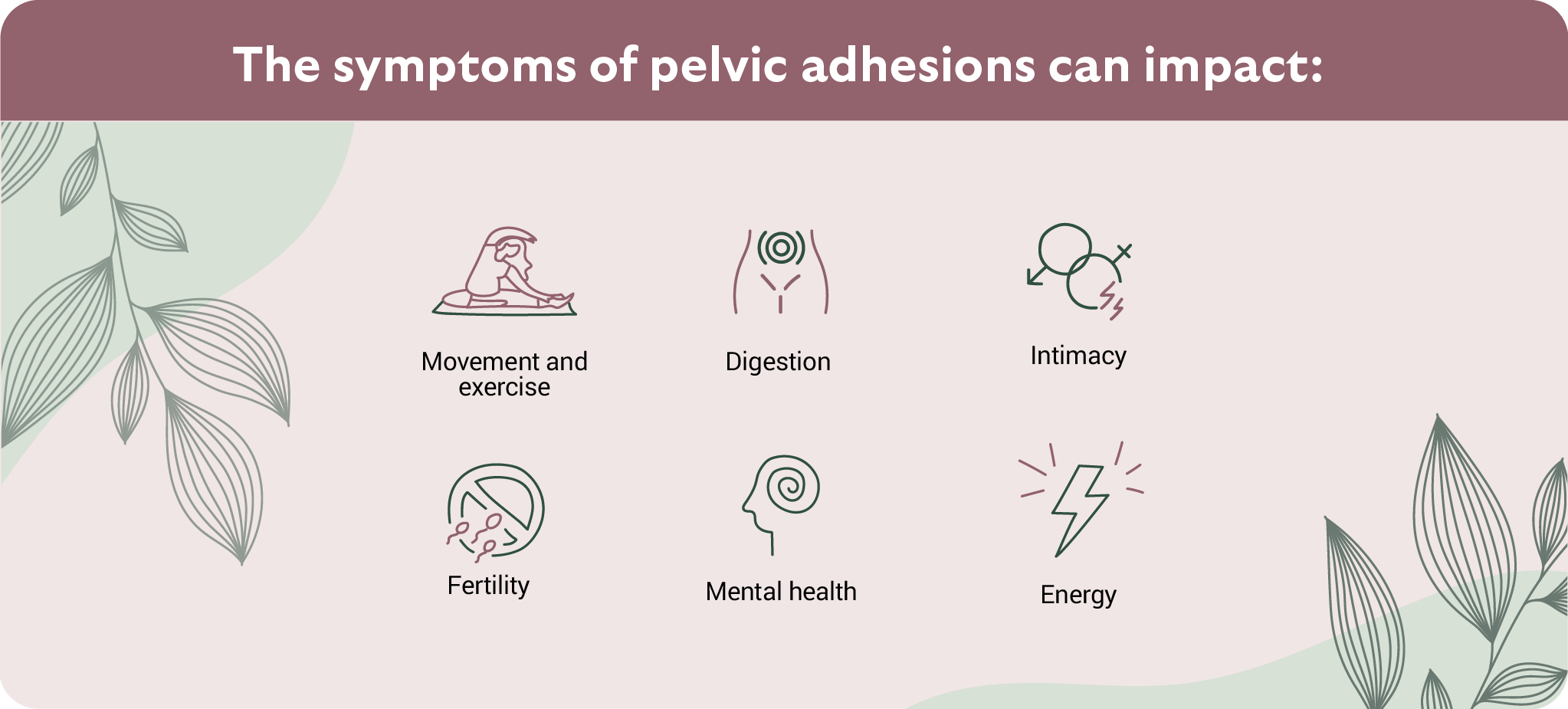
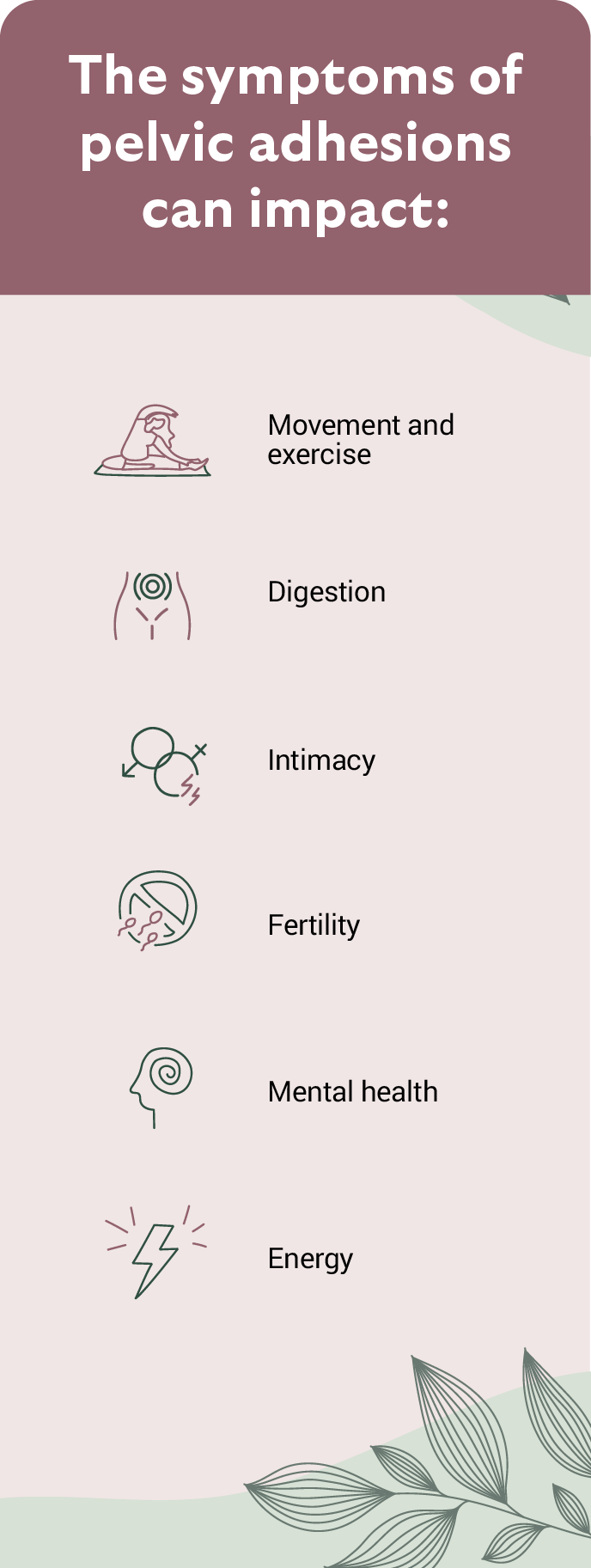
Pelvic adhesions can affect far more than physical comfort. Chronic pelvic pain and restricted organ mobility may interfere with relationships, work, movement, fertility goals, and emotional wellbeing.
The downstream effects may include:
- Difficulty exercising or remaining physically active
- Fear of pain during intimacy
- Fatigue related to chronic pain
- Anxiety surrounding future surgery or worsening symptoms
- Digestive discomfort that affects eating or daily routines
- Frustration after years without clear answers
- Emotional exhaustion from feeling dismissed or misunderstood
For many patients, uncertainty can be one of the most difficult parts of living with pelvic adhesions. Imaging may appear “normal,” even when symptoms are significant.
Pain is not something you should simply learn to live with. It deserves thoughtful evaluation and care.
How ESSE Care Evaluates and Diagnoses Pelvic Adhesions
Initial Assessment
We begin by listening carefully as you tell us about your symptoms, medical history, and surgical history. Understanding the timeline and pattern of pain often provides important clues.
We may discuss:
- Prior surgeries or infections
- The location and quality of pain
- Digestive or urinary symptoms
- Pain with intimacy or movement
- Fertility concerns
- Previous imaging or treatments
Physical Exam
A pelvic examination may help assess for:
- Areas of tenderness or restricted mobility
- Pelvic floor muscle tension
- Signs of underlying gynecologic conditions
- Scar sensitivity or abdominal wall tension
Imaging & Testing
Pelvic adhesions are notoriously difficult to see on imaging alone. However, imaging may help identify related conditions or rule out other causes of pain.
Testing may include:
- Pelvic ultrasound to evaluate the uterus and ovaries
- MRI for deeper evaluation of pelvic anatomy or endometriosis
- Diagnostic laparoscopy, which remains the most definitive way to identify pelvic adhesions directly
It is important to understand that normal imaging does not rule out pelvic adhesions or endometriosis. Clinical expertise and careful evaluation remain essential.
Treatment Options for Pelvic Adhesions
Treatment depends on the severity of symptoms, the extent of adhesions, and the individual’s goals surrounding pain management, fertility, and quality of life.
Conservative approaches may include:
- Pelvic floor physical therapy
- Anti-inflammatory nutrition support
- Pain management strategies
- Hormonal suppression if endometriosis is contributing
- Nervous system regulation and stress reduction support
For some individuals, minimally invasive surgery may be considered to carefully release adhesions, restore organ mobility, or address underlying conditions such as endometriosis.
Because surgery itself can also create new adhesions, thoughtful surgical planning and meticulous tissue handling are extremely important.
How ESSE Care Approaches Adhesions and Pelvic Pain


At ESSE Care, we recognize that chronic pelvic pain rarely exists in isolation. Pelvic adhesions often overlap with endometriosis, pelvic floor dysfunction, nervous system sensitization, hormonal changes, and the emotional burden of living with chronic symptoms.
That is why our approach is comprehensive, individualized, and trauma-informed.
Our care for pelvic adhesions may include:
- Expert diagnostic evaluation that looks beyond imaging alone
- Advanced minimally invasive surgical techniques designed to preserve or improve anatomy and minimize further scarring
- Pelvic floor evaluation and therapy support
- Integrative strategies that support inflammation reduction and nervous system regulation
- Collaborative treatment planning centered around your goals and quality of life
You Deserve Answers for Chronic Pelvic Pain
Pelvic adhesions can be difficult to diagnose, deeply frustrating to live with, and emotionally exhausting to navigate alone. But persistent pelvic pain is not something you should simply “push through.”
At ESSE Care, we combine advanced minimally invasive surgical expertise with compassionate, whole-person care to better understand what may be driving your symptoms and help you move toward meaningful relief. Whether you are recovering from surgery, navigating endometriosis, struggling with unexplained pelvic pain, or searching for answers after years of dismissal, we are here to listen.
Schedule a consultation with our team today and discover what it means to feel supported, informed, and truly heard.