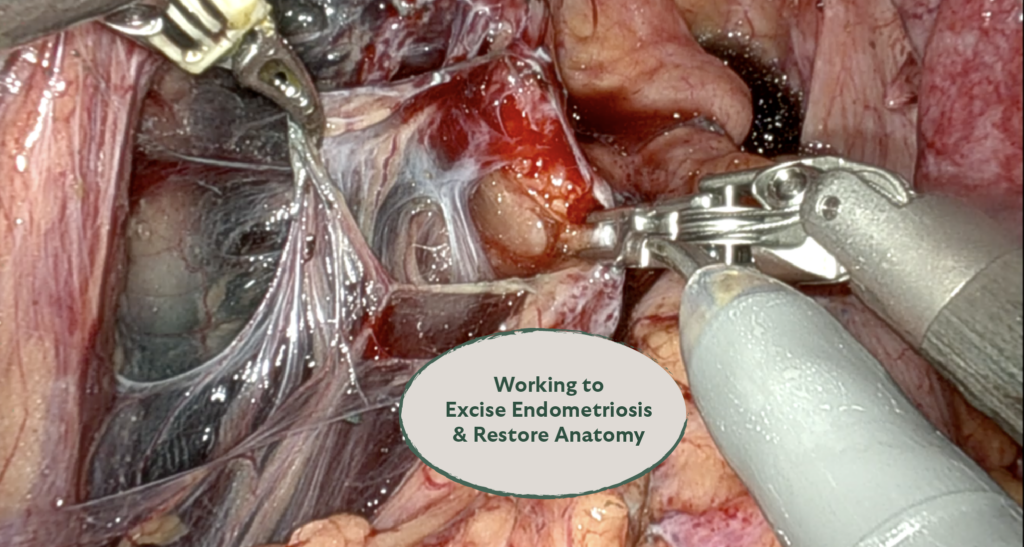
For most of her life, Barbara lived with pain that shaped nearly every aspect of her day-to-day life. What began as severe symptoms in early adolescence quickly escalated into years of debilitating cycles, missed school and work, and frequent ER visits for pain she described as “1000/10.” Despite multiple treatments, medications, and three prior surgeries, relief never truly came.
By the time she arrived at ESSE Care, Barbara wasn’t just looking for another procedure; she was searching for answers. Why had her symptoms persisted after multiple surgeries? Was there really nothing else that could be done?
This case highlights how excision surgery with an experienced endometriosis specialist can uncover the true extent of disease and begin to restore what endometriosis has disrupted.
What Is Deep Infiltrating Endometriosis?
Endometriosis occurs when tissue similar to the uterine lining grows outside the uterus, often causing pain, inflammation, and scar tissue. In more advanced cases—known as deep infiltrating endometriosis—this tissue can invade structures like the rectum, pelvic sidewalls, and even the ureters (the tubes that carry urine from the kidneys to the bladder).
These forms of endometriosis are particularly complex and often missed without specialized surgical expertise.
A Long Road to Answers
Barbara’s story is one many patients will recognize. Symptoms began early—so severe that she was placed on birth control at just 11 years old. Over time, her condition escalated:
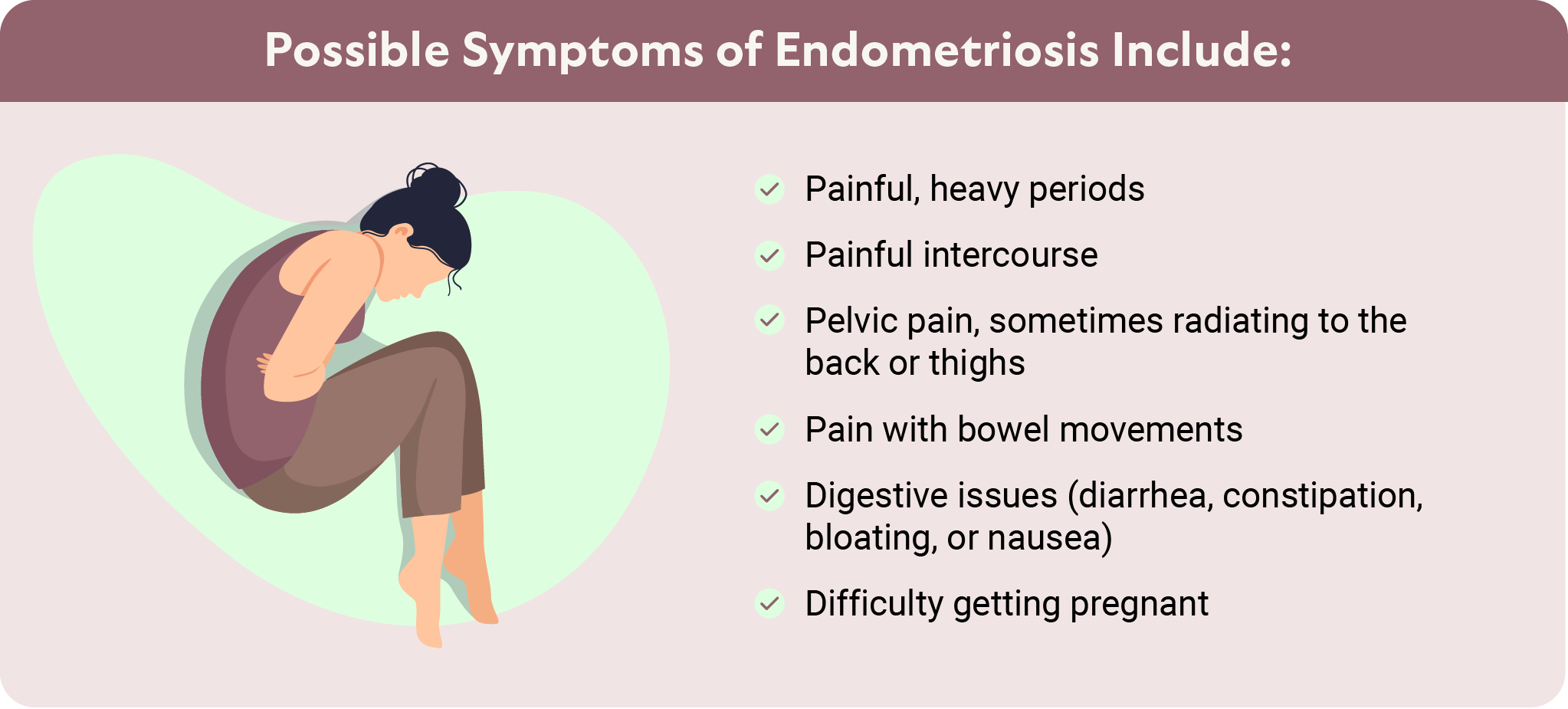
- Monthly ER visits for extreme uterine pain she described as “1000/10”
- Heavy, irregular cycles with frequent bleeding and large clots
- GI symptoms including bloating, nausea, constipation, and painful bowel movements
- Bladder urgency that felt like “being pregnant”
- Back and leg pain radiating down both sides
- Fatigue, mood changes, and difficulty maintaining daily activities
Despite years of care, treatment focused largely on symptom suppression. She was prescribed multiple hormonal therapies, including Orilissa, which induces medical menopause and all the side effects that come with it, and abnormally high progesterone dosages that led to significant weight gain.
Barbara underwent three prior surgeries. After her most recent procedure—performed at a prominent university hospital less than a year before coming to ESSE Care—she was told she had stage IV endometriosis affecting her bowel and would have it “forever.” But she didn’t give up, and she sought out another opinion.
Diagnosis & Pre-Op Planning
At ESSE Care, Dr. Amanda Chu approached Barbara’s case differently, starting with a comprehensive review of her history, previous surgeries, and symptoms.
Given her ongoing pain and the report that disease had been left behind on the rectum, the surgical goals were clear:
- Identify all areas of endometriosis, including deep infiltrating disease
- Carefully excise disease while preserving and restoring organ function
- Address any anatomical distortion caused by scar tissue
Her case required advanced surgical planning, particularly due to suspected bowel involvement and the possibility of significant adhesions.
Inside the OR: What Was Found
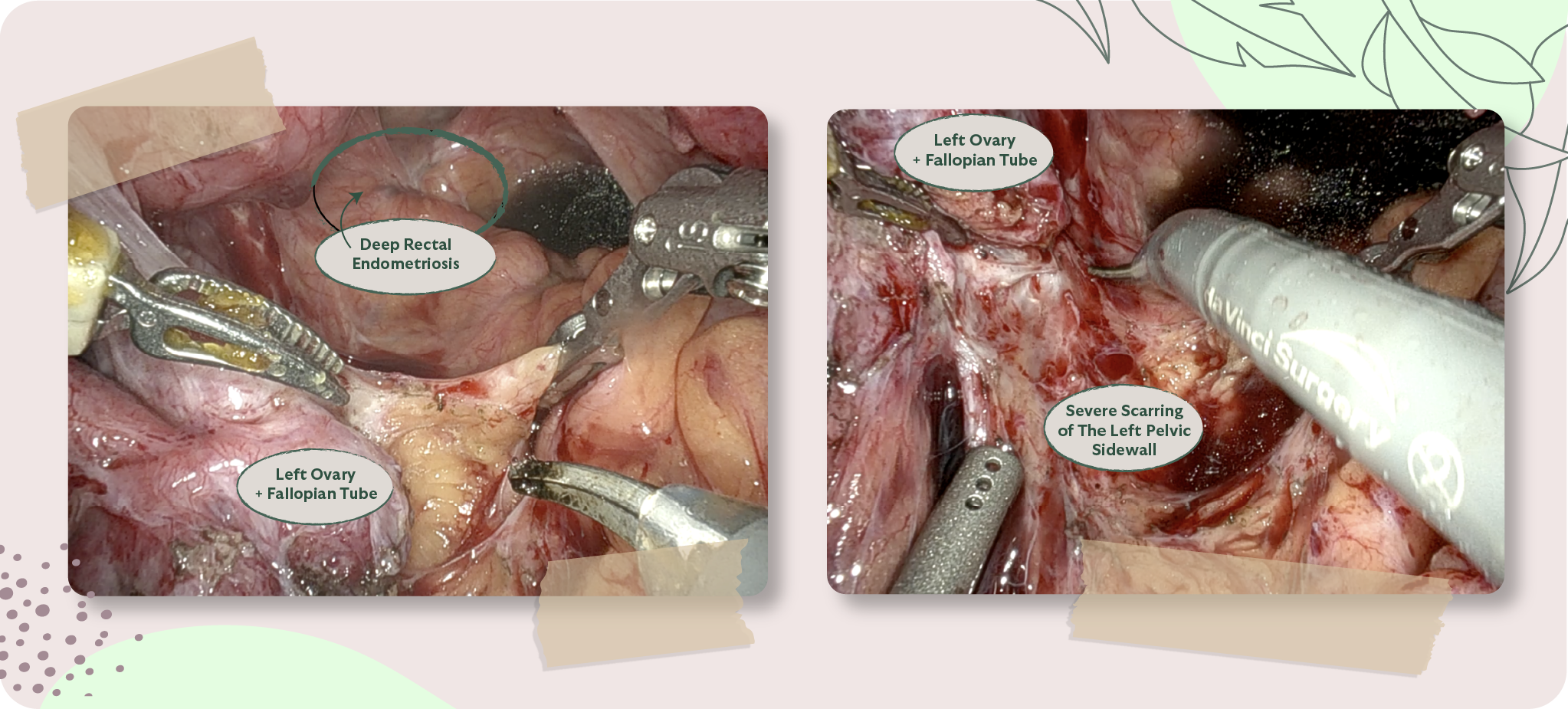
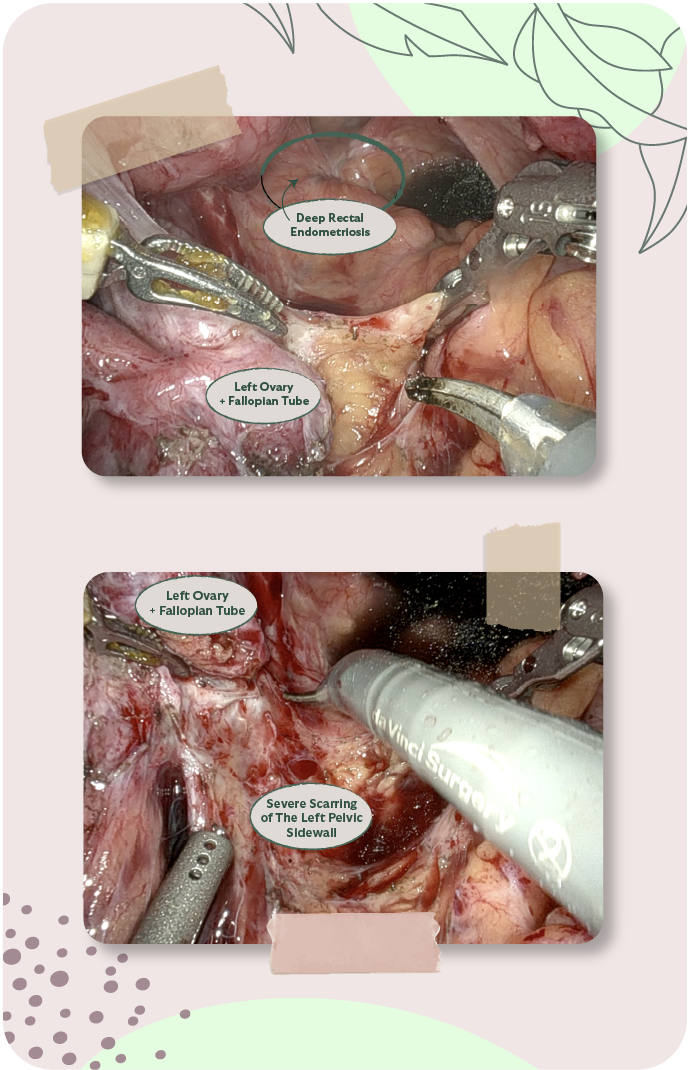
Once in surgery, the full picture became clear. Barbara’s endometriosis was extensive and deeply embedded in critical structures:
- Deep rectal endometriosis affecting the lower bowel
- Severe scarring along the left pelvic sidewall, distorting normal anatomy
- A ureter encased in dense scar tissue, increasing the risk of obstruction or injury
- The uterus densely adhered (pinned) to the right pelvic sidewall/hip
These findings confirmed why her symptoms had been so severe and why previous treatments had not resolved them.
Step-by-Step Surgical Approach
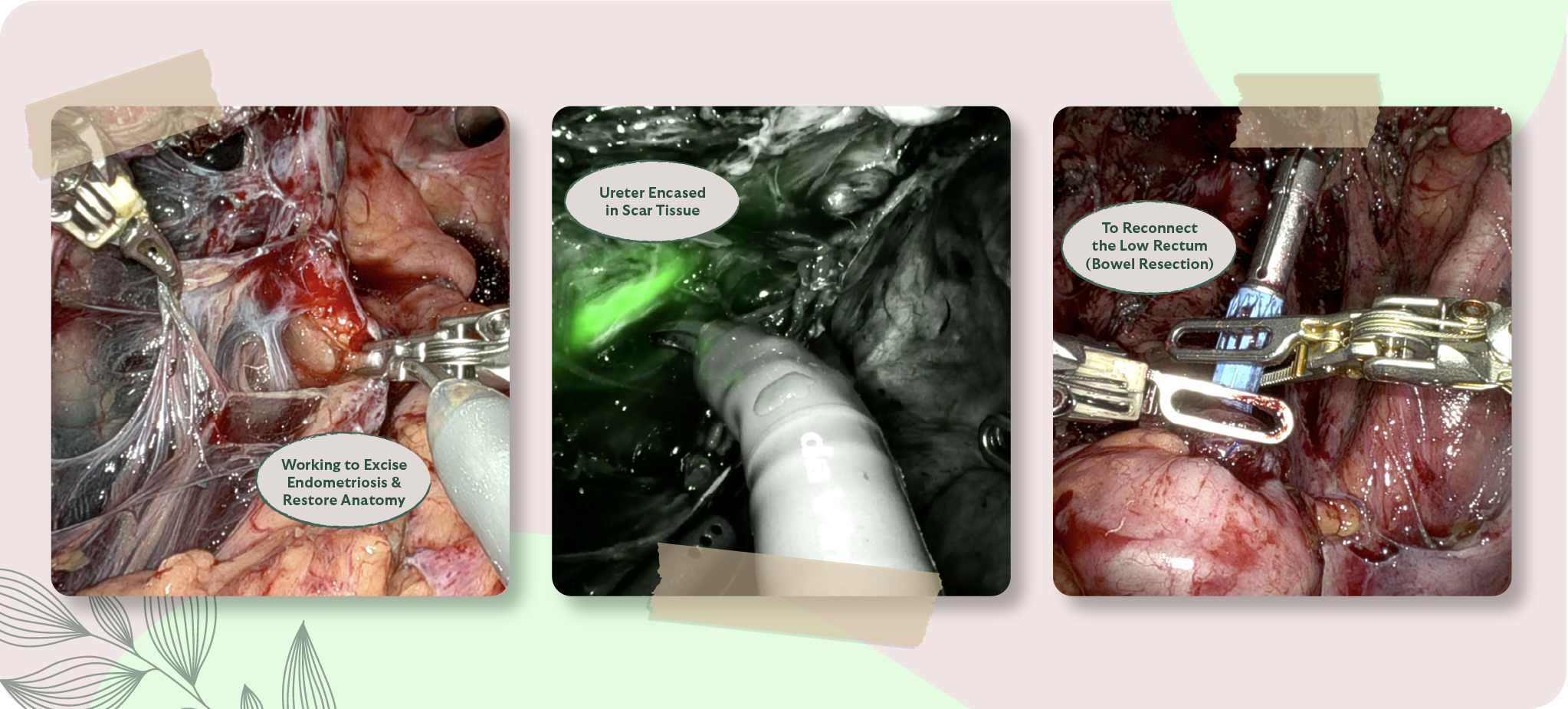
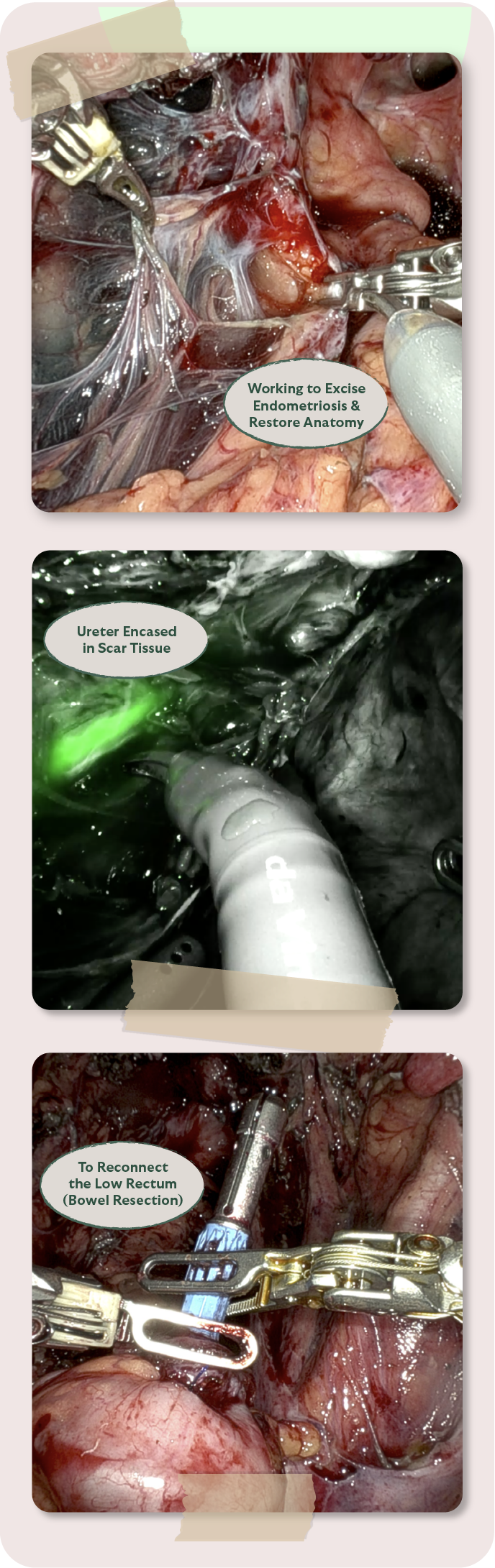
1. Careful Entry & Mapping the Disease
The team began with a detailed survey of the pelvis. Adhesions had distorted normal anatomy, requiring careful dissection to safely identify key structures.
2. Ureterolysis (Freeing the Ureter)
The ureter was carefully identified and released from surrounding scar tissue to protect urinary function and relieve a potential source of pain.
3. Excision of Endometriosis
Endometriosis was meticulously excised from the pelvic sidewall and other affected regions, removing disease at its root rather than superficially treating it.
4. Addressing the Uterus
The uterus was found to be severely adhered—effectively “pinned” to the right pelvic sidewall. Due to the extent of disease and anatomical distortion, it could not be safely preserved. A hysterectomy was performed as part of restoring normal anatomy and addressing the source of pain.
5. Bowel Resection
Because of deep rectal involvement, a bowel resection was required. The affected portion of the rectum was removed, and the healthy ends were reconnected to restore function.
6. Restoring Pelvic Anatomy
With disease removed and adhesions released, the surgical team worked to restore normal anatomical relationships—an essential part of improving both function and long-term outcomes.
Results & Early Recovery
Recovery is ongoing, particularly given the complexity of her disease and the extent of surgery. But even early in her healing, Barbara began noticing meaningful changes.
After years of uncertainty, she finally has something she hadn’t before: a clear understanding of what was causing her pain—and a path forward.
Why Barbara’s Story Matters
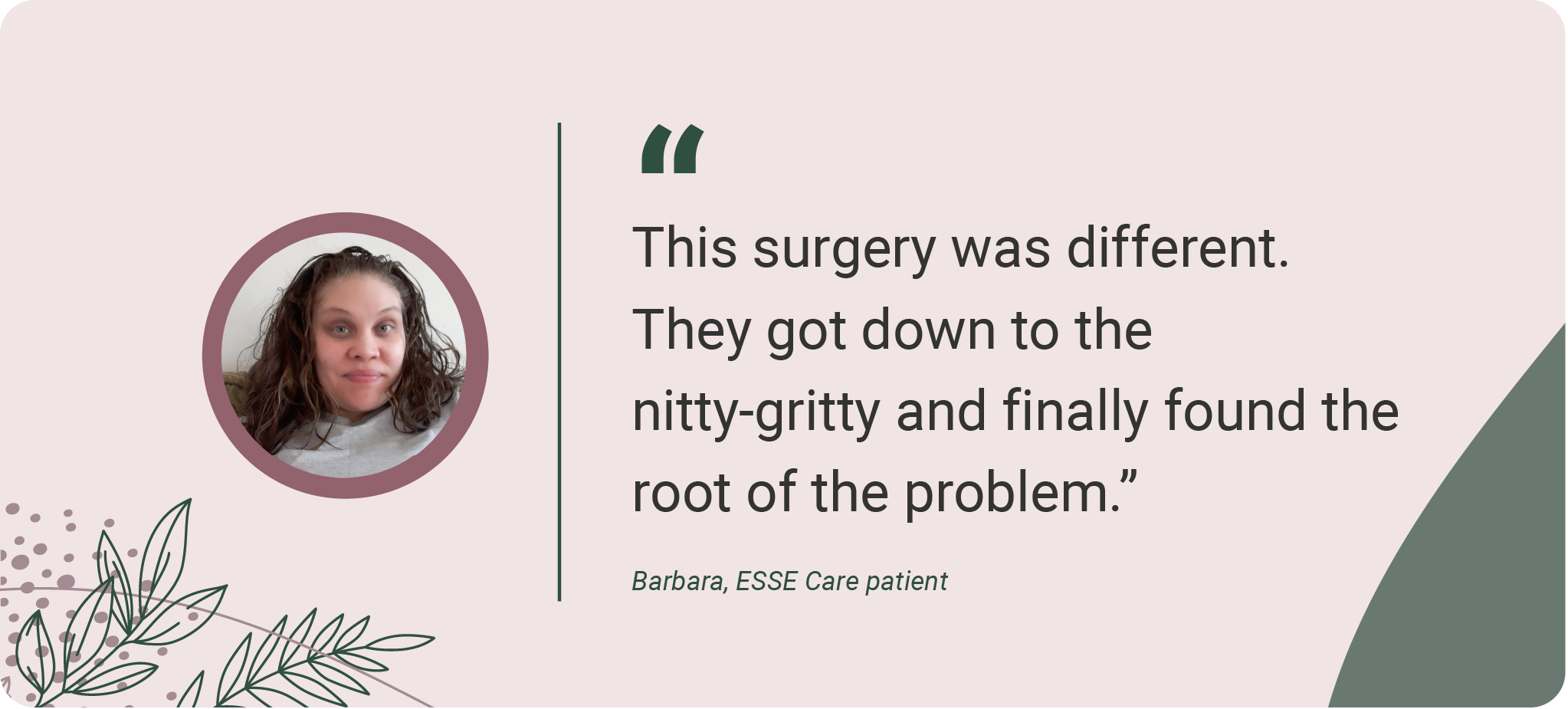
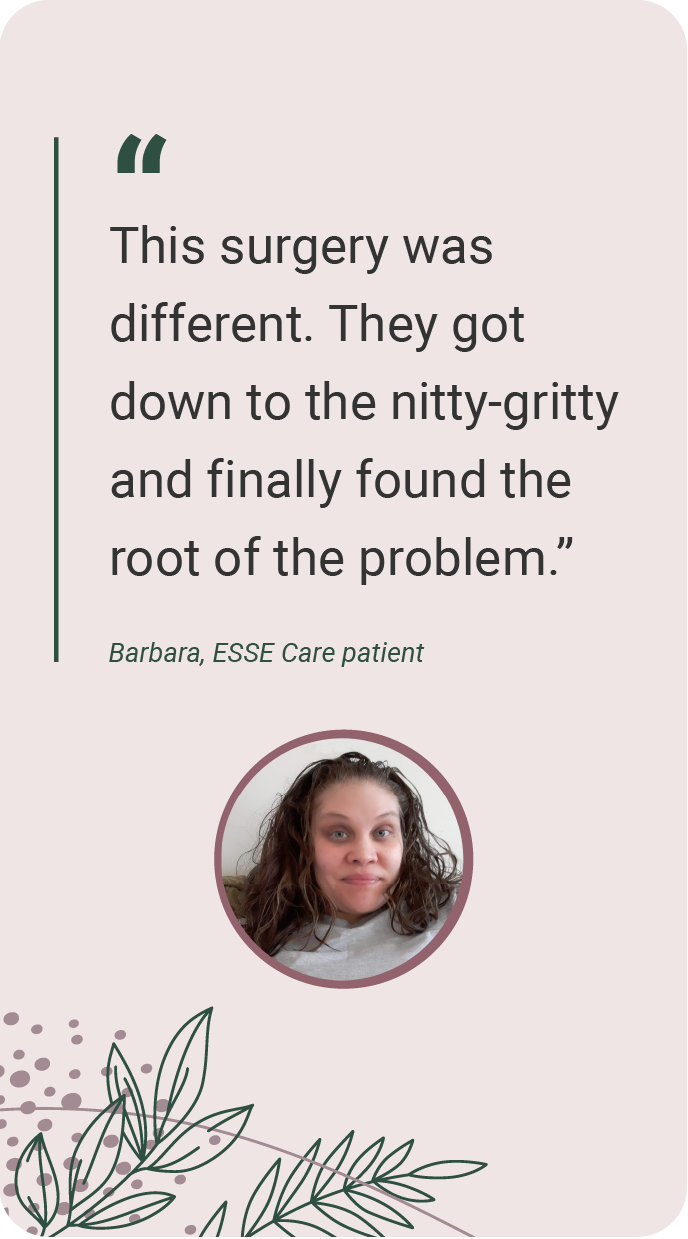
Barbara’s case highlights several important truths about endometriosis:
- Persistent pain after surgery often means disease remains: Barbara’s ongoing ER visits and severe pain after three prior surgeries were signs that deep disease—especially on the rectum and pelvic sidewall—had not been fully addressed.
- Hormonal suppression cannot remove endometriosis: Years of medications, including medical menopause and high-dose progesterone, may have dulled symptoms at times, but they could not eliminate the underlying disease or scar tissue.
- Advanced disease frequently involves the bowel and urinary structures: Her surgery revealed endometriosis in the rectum and around the ureter, helping explain her GI issues, bladder symptoms, and radiating back and leg pain.
- Specialized endometriosis excision and multidisciplinary care can change outcomes: With excision, ureterolysis, bowel resection, and hysterectomy, her ESSE Care surgery finally addressed the full extent of disease instead of just a part.
For patients still searching for answers, her story is a reminder: If symptoms continue, it’s worth asking deeper questions and seeking expert evaluation.
Surgeon’s Perspective: Restoring Anatomy After Years of Hidden Disease
Cases like this underscore the importance of persistence—in both patients and providers.
For Dr. Chu, the goal isn’t just removing visible disease but fully understanding how endometriosis has impacted the body as a whole. In advanced cases, that often means not just removing lesions but also restoring pelvic anatomy overall so that the body can heal and function properly after surgery.
After years of being told this was something she would have to live with, Barbara’s surgery with ESSE Care led to clarity, validation, and the beginning of healing.