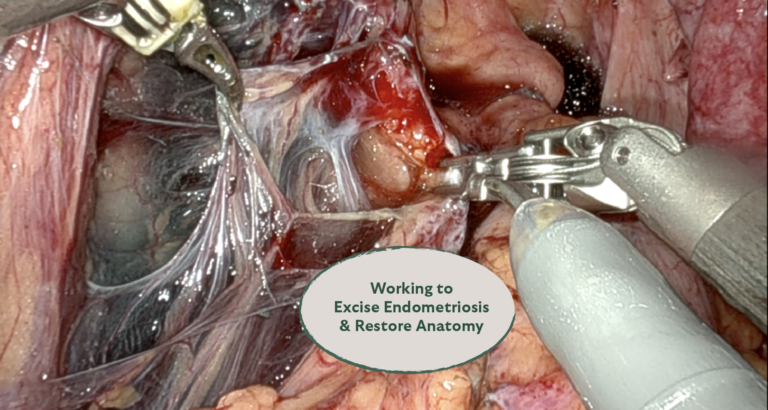
If you wake up exhausted no matter how much you sleep, struggle to get through the day without pushing yourself past your limits, or feel like your energy has disappeared, we see you.
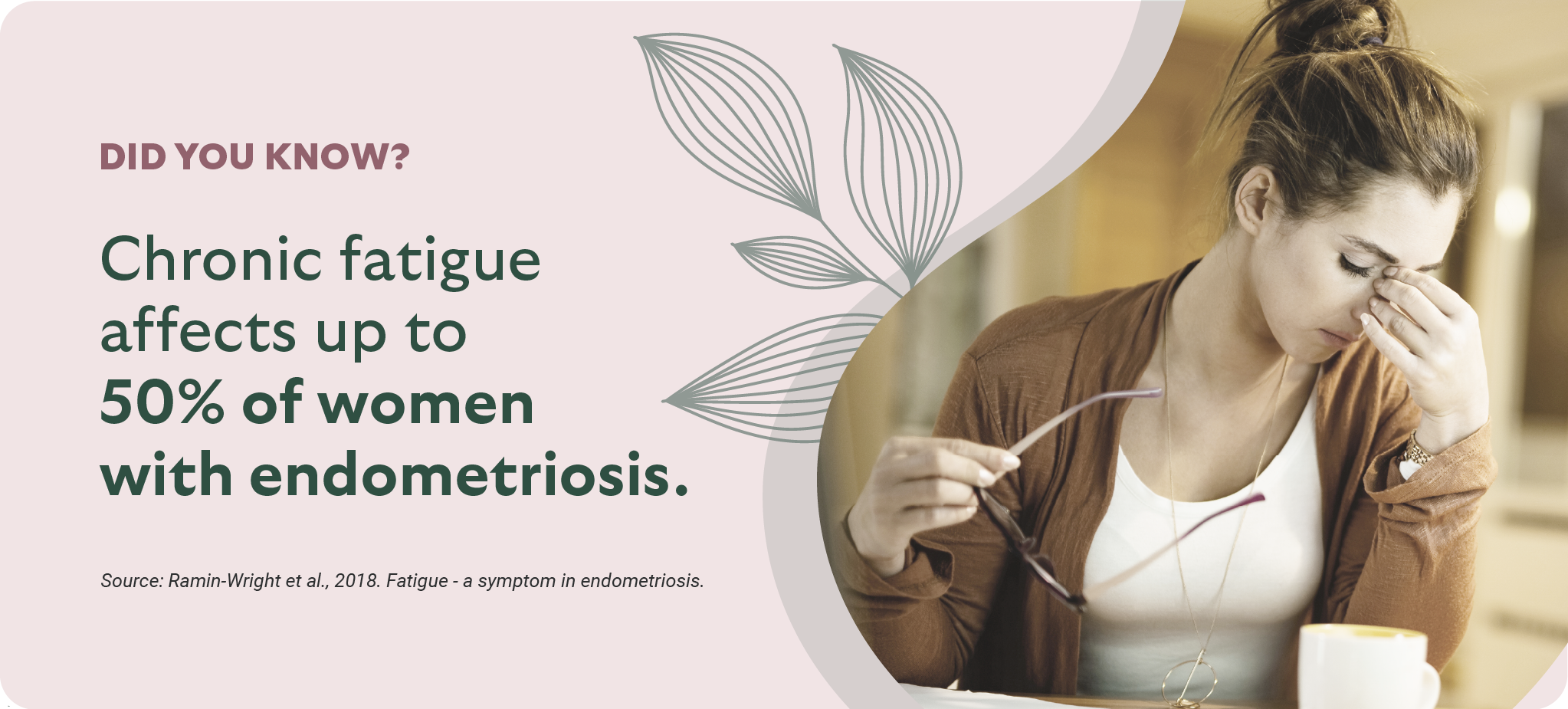
Chronic fatigue is real, and it affects up to 50% of women with endometriosis, yet it’s one of the most under‑recognized and dismissed symptoms. It often appears alongside heavy bleeding, pelvic and back pain, leg pain, nausea, and brain fog—frequently brushed off as stress, burnout, or “just part of being a woman.”
At ESSE Care, we want to be clear: Persistent fatigue is a sign that something is wrong, not a personal failure.
What Does Chronic Fatigue Feel Like?
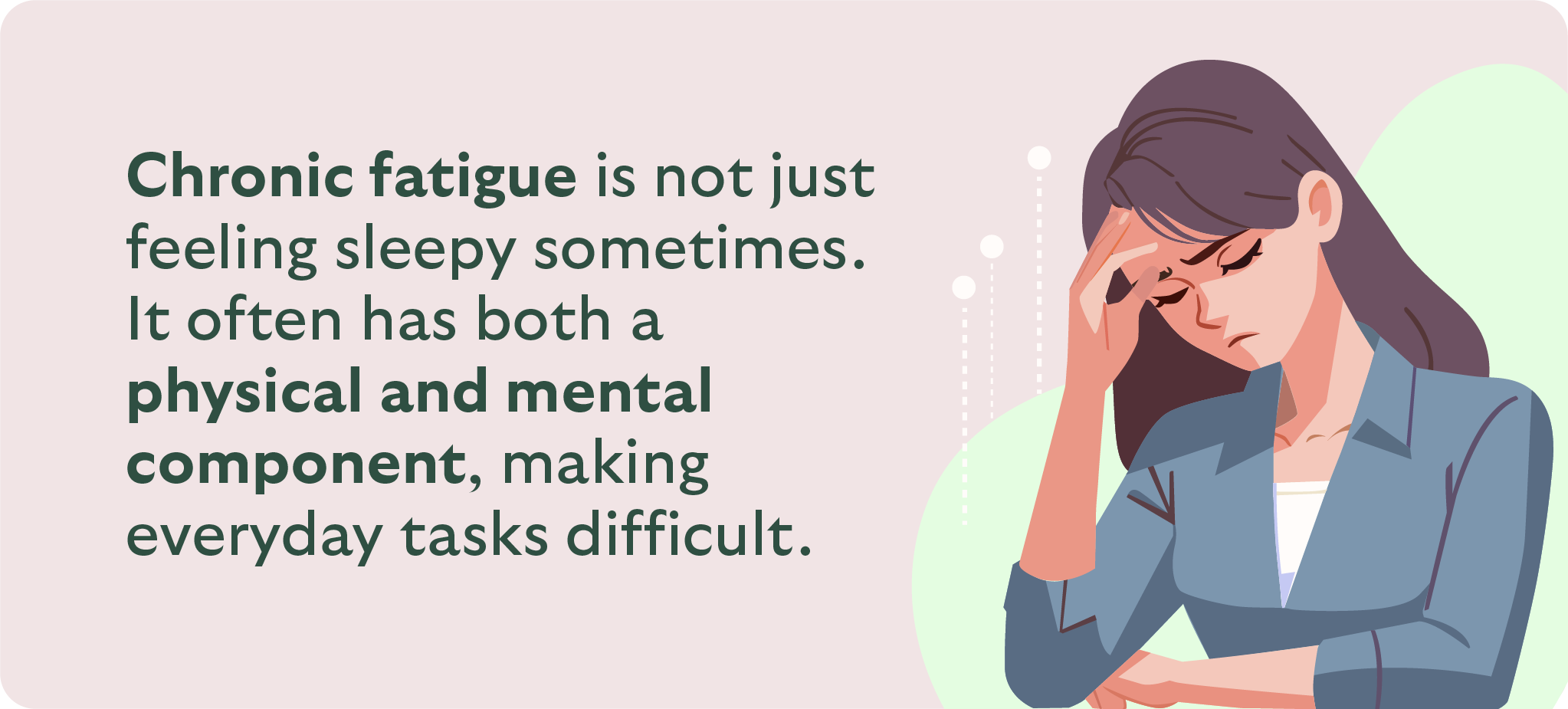
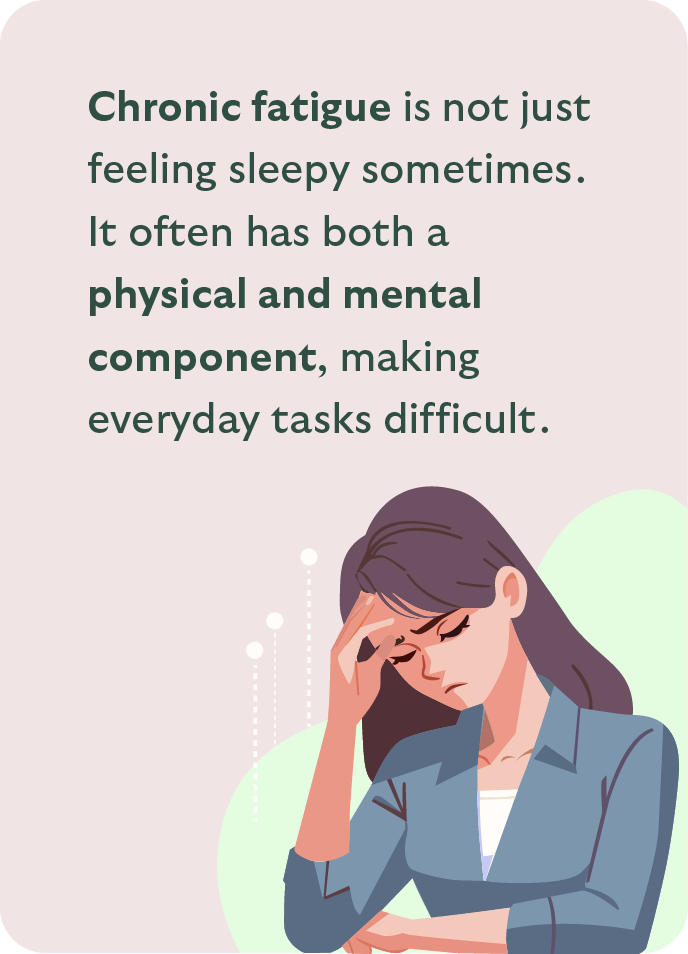
Chronic fatigue is more than feeling sleepy or worn out after a long day. Many patients describe it as:
- A deep, full‑body exhaustion that doesn’t improve with rest
- Needing excessive effort to complete basic daily tasks
- “Crashing” after activity, socializing, or work
- Brain fog, poor concentration, or memory lapses
- Feeling physically heavy or slowed down
- Worsening fatigue around ovulation or menstruation
For some, fatigue is constant. For others, it fluctuates with their cycle, often peaking in the days leading up to a period or during menstruation.
Why Is Fatigue So Common in Endometriosis?
Chronic fatigue in endometriosis is multifactorial—meaning it rarely has just one cause. Common contributors include:
Chronic Inflammation
Endometriosis is an inflammatory condition. Ongoing inflammation places a continuous metabolic demand on the body, draining energy reserves over time.
Hormonal Dysregulation
Fluctuations in estrogen and progesterone can affect sleep quality, blood sugar stability, and energy production, especially in the luteal phase of the cycle (the second half of the menstrual cycle, starting after ovulation and ending with your period).
Iron Deficiency or Anemia
Heavy or prolonged bleeding can deplete iron stores, leading to fatigue, shortness of breath, dizziness, and brain fog—even before anemia shows up on labs.
Pain and Poor Sleep
Chronic pain disrupts restorative sleep. Many patients are exhausted not because they aren’t sleeping but because they’re never fully resting.
Nervous System Overload
Living with ongoing pain, uncertainty, and dismissal can push the nervous system into a constant state of stress, making fatigue both physical and emotional.
Overlapping Conditions
Fatigue is often amplified by coexisting conditions we frequently see with endometriosis patients at ESSE Care, including:
- Adenomyosis
- IBS or bowel endometriosis
- Bladder pain syndromes
- Pelvic floor dysfunction
- Autoimmune or thyroid disorders
There are many reasons women may experience fatigue. But if it shows up with other signs or symptoms of endometriosis, it’s time to take a closer look.
Why Fatigue Is So Often Dismissed
Fatigue doesn’t show up clearly on imaging. It doesn’t have a single lab value that defines it. And culturally, women are taught to normalize exhaustion.
Many patients are told:
- “You’re just busy.”
- “That’s normal with periods.”
- “You’re probably stressed.”
- “Your labs look fine.”
But normal test results do not negate lived symptoms. At ESSE Care, we treat fatigue as an important clinical signal—especially when it coexists with pelvic pain, heavy bleeding, or cycle‑related symptoms.
When Should Fatigue Raise a Red Flag?
Feeling tired from time to time is normal, especially if rest leaves you feeling refreshed. But you should consider further evaluation if:
- Fatigue interferes with work, relationships, or daily functioning.
- You feel worse after activity rather than better.
- Fatigue worsens during certain times of your cycle.
- You have heavy periods, pelvic pain, or known endometriosis.
- Rest no longer restores your energy.
- You’ve been told “everything is normal,” but you don’t feel well.
Fatigue is often one of the earliest signs that the body is carrying an inflammatory or hormonal burden.
How We Approach Chronic Fatigue at ESSE Care
We don’t treat fatigue in isolation—we investigate why it’s happening. Chronic fatigue is almost always one of many signs and symptoms patients experience, pointing us toward a root cause.
Our approach may include:
- Reviewing bleeding patterns and assessing for iron deficiency.
- Evaluating hormonal and thyroid contributors.
- Assessing inflammatory load from endometriosis or adenomyosis.
- Screening for sleep disruption and nervous system stress.
- Looking for overlapping GI or bladder conditions.
- Addressing pain drivers that prevent restorative rest
When endometriosis or another pelvic condition is contributing, addressing the root cause—with excision surgery and/or integrative therapies—can lead to meaningful improvements in energy over time.
What You Can Do Today for Chronic Fatigue
While treating the underlying cause is essential, there are ways to support your system now:
- Honor energy limits without guilt. Fatigue is information, not weakness. If you need to rest and have the ability, allow yourself to do so.
- Track fatigue alongside your cycle. Patterns matter when evaluating symptoms, so take note if your energy seems to be cyclical.
- Support sleep quality. Prioritize consistent routines and pain control at night.
- Nourish, don’t restrict. Chronic inflammation requires fuel, not deprivation. An anti-inflammatory diet can help, but that doesn’t mean you should stop eating foods you love.
- Ask for labs that reflect your symptoms. We especially recommend iron studies, not just hemoglobin.
- Seek care that connects the dots. Fatigue rarely exists in isolation. Choose providers who recognize that.
These steps don’t replace medical care—but they can help reduce strain while you pursue answers.
You Shouldn’t Have to Fight Through Exhaustion to Get Through Each Day
Many women with endometriosis are praised for their resilience while quietly carrying exhaustion that no one sees. But surviving through fatigue is not the goal. You deserve to feel well enough to live fully.
At ESSE Care, we believe chronic fatigue is as important a signal as pain. If you feel like your energy has been slowly taken from you, it’s time to ask why—and to be supported in finding answers.
You don’t have to accept exhaustion as your baseline. Schedule a consultation with ESSE Care today to find a path toward relief.