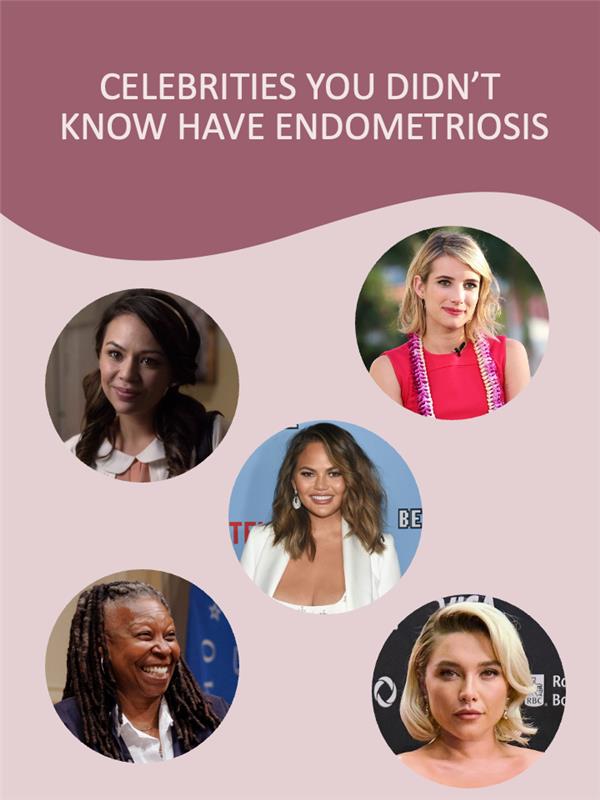
Celebrities often present themselves to the public with an illusion of perfection, so it is easy to forget that they are subject to the same human struggles as the rest of us. Behind the designer clothes and red carpets, many stars are dealing with harrowing health battles, including invisible illnesses like endometriosis. In fact, one in 10 women suffers from endometriosis—celebrities included.
Some of these women have shared their personal health experiences with endometriosis publicly, spreading awareness about an under-discussed condition. Their visibility helps, yes—but the most important message isn’t that celebrities have endo. It’s that their journeys reflect what so many women experience: delayed diagnoses, dismissed pain, and the need to advocate for themselves.
Remember, you don’t need a public platform to advocate for your own health.
Endo Isn’t Rare—It’s Just Rarely Talked About
Sharing something as personal as pelvic pain or fertility struggles can feel intimidating. Still, many public figures have used their platforms to draw attention to this disease in hopes that other women might recognize their own symptoms sooner.
Because endometriosis is difficult to diagnose and identify, many cases go undiagnosed for up to 11 years.
If you’ve been diagnosed with endometriosis—or suspect you might have it—it is important to remember that you are not alone. These celebrities—and millions of women worldwide—are facing the same thing. And your experience deserves to be taken seriously.

A Common Thread: The Normalization of Pain
There is a recurring theme throughout the stories of celebrities with endo: the normalization of debilitating pain. For years, they were taught to believe their pain was just part of being a woman.
Patients are told:
- “Your scans are normal.”
- “It’s just bad cramps.”
- “This is common.”
- “Try birth control and see.”
One of the most powerful lessons from these stories isn’t about celebrity—it’s about persistence. Many of these women pushed for imaging.
- They requested second opinions.
- They sought out specialists.
- They asked more questions.
That is self-advocacy.
And their stories reflect what so many patients experience every day.
Lili Reinhart
The American actress known from the TV teen drama Riverdale has spoken out about how she was repeatedly dismissed by multiple doctors. She ultimately had to push for further imaging herself. An MRI later revealed endometriosis—confirming what she already knew in her body: something wasn’t right.
Her story is one many patients recognize.
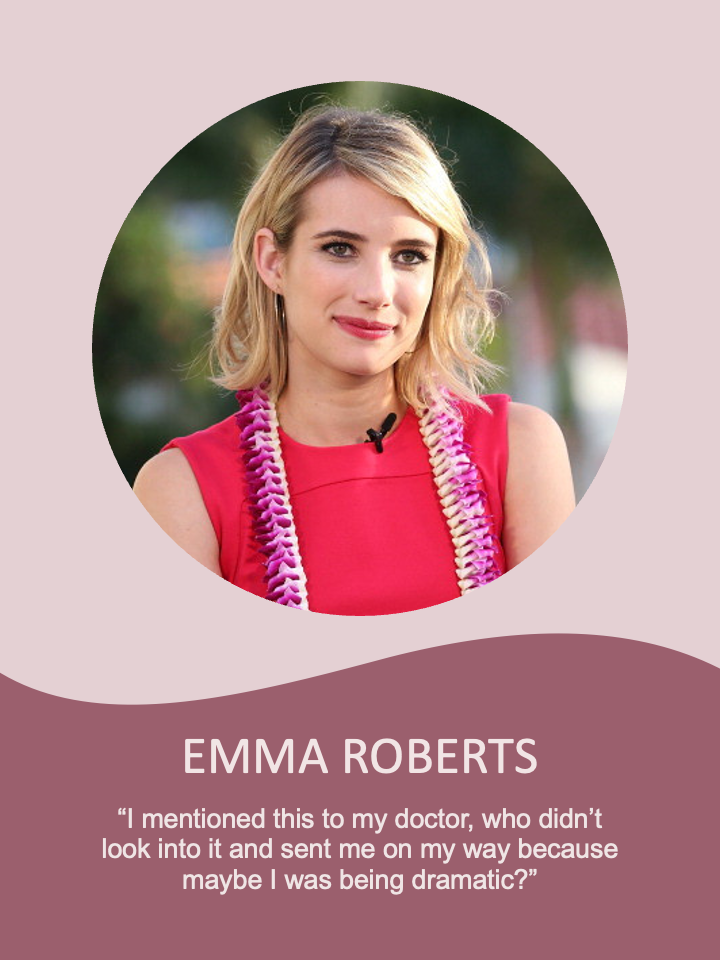
Emma Roberts
Roberts’s experience was similar to that of many women who go undiagnosed for years. After suffering with pain since her teenage years, Roberts was diagnosed in her late twenties and told the disease had already affected her fertility.
Like many patients, she questioned herself and wondered if she had somehow done something wrong. Hoping to preserve her fertility, she chose to freeze her eggs and later became pregnant.
Endometriosis is never a patient’s fault. But without answers, it can often feel that way.
Barbara Palvin
Supermodel Barbara Palvin shared an insight, many people aren’t aware of: Routine annual exams do not rule out endometriosis.
“I’ve been going to checkups [with] my gynecologist every year. I thought if I had endometriosis, I would have known about it by now,” she said. “But as it turns out, endometriosis can’t be diagnosed with general examinations.” She received endo excision surgery in 2025 to relieve her from the extreme pain that she experienced every month during her cycle.
This is an important reminder: Normal exams do not always mean normal function. Diagnosis often requires deeper evaluation—and in many cases, surgical assessment.
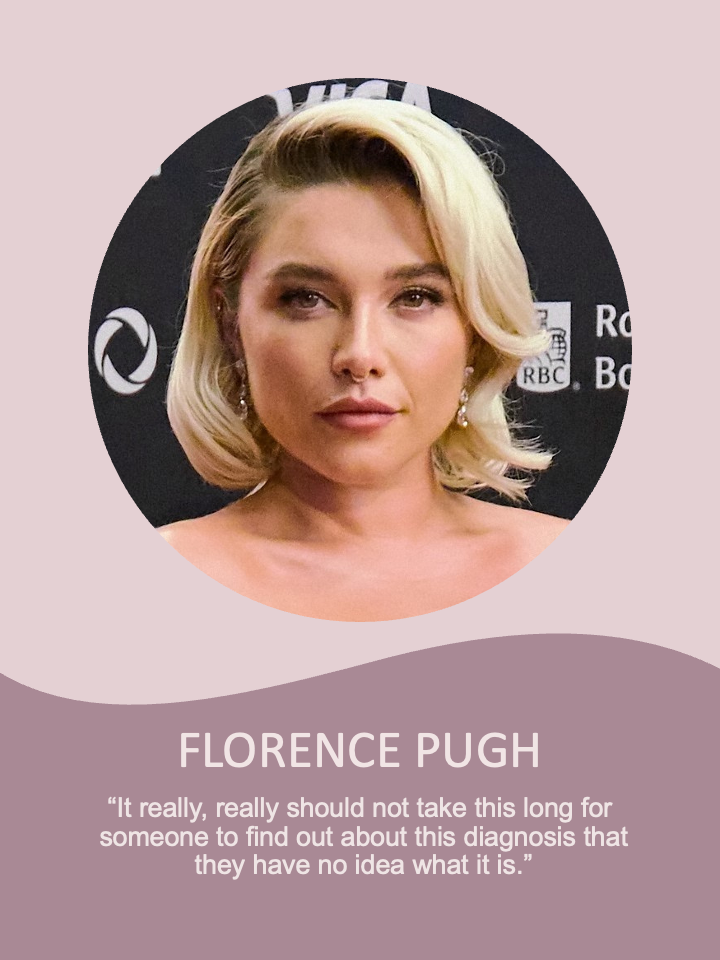
Florence Pugh
Coming from a family of very fertile women, actress Florence Pugh assumed she would have the same experience—until she was diagnosed with endometriosis and directed to freeze her eggs.
She has spoken about feeling fortunate to learn this information early enough to protect her fertility. Knowledge gave her options. And options give patients agency.
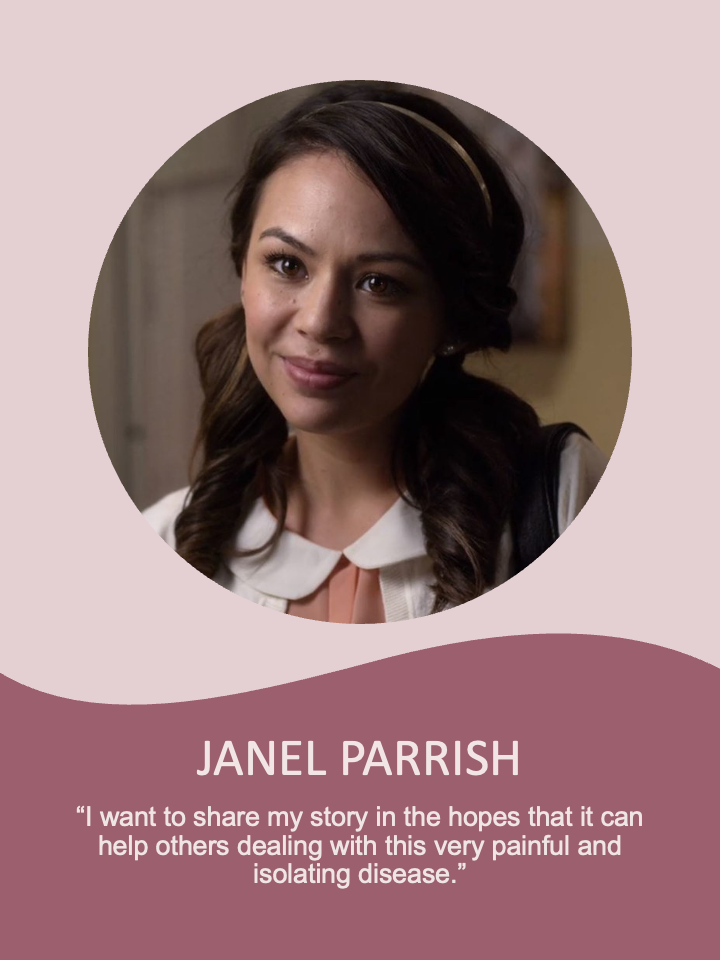
Janel Parrish
The Pretty Little Liars star shared her experience with feeling isolated due to the disease. She finally felt hope after undergoing endometriosis excision surgery. “Finally have some hope,” she wrote on Instagram. “Endo sisters, excision surgery is the gold standard for treating endometriosis. Please please please speak to [a] specialist if you can.”
Now with a definitive diagnosis, Parrish wants other women on a journey of self-advocacy to know they’re not alone.
Symptoms of Endometriosis
The first step of advocating for yourself is knowing what to look for. Symptoms of endometriosis include but are not limited to:
- Severe menstrual cramps that interfere with daily life
- Chronic pelvic pain
- Pain with intercourse
- Painful bowel movements or urination (especially during periods)
- Heavy or irregular bleeding
- Infertility
- Fatigue or bloating
If you or someone you know is experiencing these symptoms, advocate for yourself and consider speaking with your doctor. If you feel dismissed, it is appropriate to seek another opinion.
Dismantling the Social Stigma Around Women’s Pain
Talking to your doctor about periods or pelvic pain isn’t always easy, especially when so many women are told their pain is “normal” or “part of being a woman.” But pain is not a prerequisite for womanhood.
The truth is: If your pain affects the way you want to live your life, it is never normal.
By speaking out, these stars are helping to change the narrative. Unfortunately, the dismissal of women’s pain is all too common in the healthcare system—women are made to wait longer for care, receive fewer pain relievers, and are not taken seriously when they say they are in pain. When pain is constantly dismissed, it pushes people into silence and prevents them from seeking necessary care, which can be dangerous.
You Don’t Have to Be Famous to Be Heard
Celebrities have helped bring endometriosis into the spotlight. That visibility is valuable. But meaningful change often begins quietly—in exam rooms, with second opinions, and with patients who speak up and say, “I need more answers.”
You deserve:
- To be believed
- To be evaluated thoroughly
- To understand your options
- To ask questions
- To pursue specialized care when appropriate
Advocacy does not require fame. It requires persistence, clarity, and support.
No one should have to suffer in silence. Our hope is that these stories help you feel empowered to speak up for yourself and your pain in your doctor’s office. Download our patient advocacy guide for more tips on how to approach this subject with your provider.