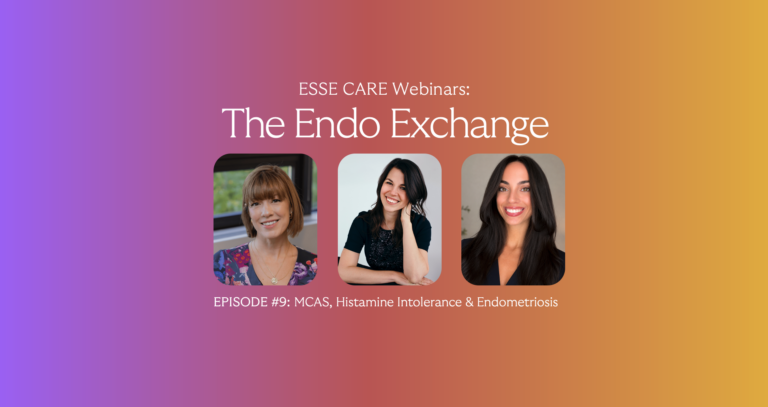
Behind the Scenes: Dr. Goldstein and Dr. Rosen Talk Teen Gynecology and Perimenopause on Momcast
If your household is juggling teen puberty while you’re navigating perimenopause, you’re not alone. On a recent MomCast episode, Dr. Karli Provost Goldstein and Dr. Leigh Rosen of ESSE Care offered calm, clear guidance on two hormonal life stages that often collide under one roof.
From what’s normal in a teen’s first years of menstruation to when perimenopausal bleeding deserves a workup, the conversation was equal parts validating and practical.
What We Learned: Key Takeaways from the Conversation
“Your period shouldn’t stop you from competing in a competitive sport or from going to school. It shouldn’t be so painful and debilitating that you have to stay home for one or two days every cycle. That’s not normal.” – Dr. Karli Provost Goldstein
- Teens deserve education without pressure. Early gynecologic visits can be conversation‑only, helping teens understand what’s normal without needing an exam.
- Period pain and bleeding have clear red flags. Missing school, soaking through products quickly, or relying on high‑dose pain meds isn’t “normal” at any age.
- Endometriosis can begin young—and doesn’t always look like a “period problem.” Cyclical GI issues, nausea, or sharp pelvic/rectal pain may be clues.
- Perimenopause isn’t always a gentle taper. More frequent or heavier cycles are common, and effective non‑surgical tools—like hormonal IUDs—can make a big difference.
- Any bleeding after menopause should be checked promptly. Even a spot matters, and modern imaging plus targeted biopsies help pinpoint causes quickly and accurately.
“Sometimes [during] the perimenopause transition, you’re getting periods more frequently and much heavier than you had before. And it’s super frustrating. You don’t need to suffer through that. There’s many options.” – Dr. Karli Provost Goldstein
Why Teens Benefit from Early Gynecologic Support
For many adolescents, periods arrive with uncertainty, embarrassment, or pain they assume is normal. Dr. Goldstein and Dr. Rosen emphasized that giving teens a trusted medical confidant early—without requiring a pelvic exam—helps them build confidence, recognize red flags sooner, and avoid years of dismissing symptoms that may point to conditions like endometriosis. Even simple steps, like tracking symptoms or keeping a small menstrual kit in their backpack, go a long way in reducing anxiety and preventing avoidable emergencies.
“Being a teen and having all of these things happening to your body, I mean, it’s brutal. It can feel just so scary and overwhelming. It’s so important at that age to have a provider who you feel like you can talk to and you don’t have to worry about being judged.” – Dr. Leigh Rosen
Why This Matters
Women are often taught to power through discomfort, but early education and timely evaluation can change lifelong health trajectories—whether for a teen missing track meets or a mom dealing with unpredictable perimenopausal bleeding. Conversations like this one remind us that support, clarity, and real options exist at every age.
Listen to the full episode wherever you get your podcasts to hear the full discussion in Dr. Goldstein and Dr. Rosen’s own words.