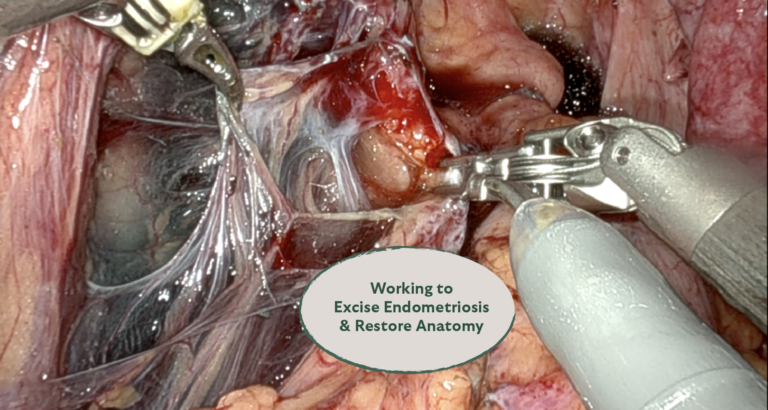
If you’re planning or have already scheduled your endometriosis excision surgery, congratulations! You’re taking the next step in your healing journey. But you’re likely wondering (and maybe a bit anxious) about recovery—what can and can’t you do as you heal? You may have heard that recovery takes about six weeks, but does that mean you just lie in bed the whole time?
While every case has unique circumstances and challenges, these post-operative recovery guidelines work well as a baseline for most patients. (But remember, you should always check with your doctor if you have any questions!)
Common Recovery Milestones and Guidelines
It’s easiest to think of recovery as different chunks of time. At each of these milestones, the recommendations for medication, movement, diet, and incision care change slightly.
Setting Yourself Up for Success
The best way to ensure your recovery goes well is to prepare! Always follow your doctor’s instructions, but this is a general guide to help you understand what to expect:
Day Before Surgery:
- Eat a Nourishing Breakfast: You’ll start your day with a full, balanced breakfast. This is typically the last full meal you’ll have before surgery. Choose something that helps you feel energized and sustained.
- Transition to a Clear Liquid Diet: After breakfast, you’ll begin a clear liquid diet. This helps prepare your body and digestive system for surgery. Approved liquids usually include broths, electrolyte drinks, clear juices, teas, and water. Avoid any liquids with pulp, dairy, or strong coloring unless told otherwise.
- Medication for Cervical Preparation (If Applicable): In some cases, you may be instructed to use a medication to gently soften the cervix before surgery, especially if your procedure involves entering the uterus. This is often done at home and can sometimes cause light cramping or spotting, which is normal.
- Bowel Preparation: You’ll also complete a bowel prep to empty the intestines. Your surgical team will recommend a method that’s right for you. The timing and form—whether it’s a prescribed kit or an over-the-counter approach—will be explained clearly in your individual instructions.
- Stay Well Hydrated: Hydration is one of the most important parts of pre-op prep. Drinking plenty of electrolyte-rich fluids helps support your energy, reduce dizziness, and keep you feeling well as you approach surgery. You’ll be advised when to stop fluids depending on your surgery time.
- Additional Medications (If Prescribed): In certain cases, your provider may also prescribe medications such as antibiotics to support bowel prep or prevent infection. These will be clearly explained and timed according to your surgical plan.
Surgery Day:
- Fasting: Do not eat or drink anything after midnight unless instructed otherwise. If you were told to take morning medications, do so with only a small sip of water.
- Dress Comfortably: Wear loose, comfortable clothing that is easy to change in and out of. Avoid bringing jewelry or valuables.
- Bring a Support Person: You must have a responsible adult accompany you home after surgery. Patients cannot be discharged alone due to the use of anesthesia.
We also recommend buying a few items that will help you feel more comfortable as you recover, including scar tape, compression garments, a supportive bed pillow, and a loose cotton dress. Check out our Amazon list here for specific recommendations based on your surgery.
The First 5 Days
Video: Post-Operative Rounds
This period is often the most challenging for patients, but with the right care and support, it’s absolutely manageable. Many of our patients tell us they feel a surprising sense of relief and early improvement even just 24 hours after surgery—an encouraging first step on the healing journey. If you are not traveling for surgery, this often only involves a 23-hour admission to the hospital.
Traveling for surgery? If you are traveling in for surgery, ESSE Care prioritizes your comfort and continuity of care by often arranging a nearby hotel stay for post-operative recovery, followed by an in-person check-in with one of our providers the next day. We do this often and work to make the process as easy and comfortable for you as possible.
Pain Management
On the day of your surgery, your care team will typically send you home (or to your nearby hotel, if you’re traveling for surgery) with a combination of medications and supportive supplements to help manage discomfort and support healing during the first few days of recovery.
These may include:
- Pain relievers
- Anti-inflammatory medications
- Medications to support digestion and prevent constipation
- Supplements to ease bloating or gas
Your provider will give you clear instructions on how and when to take each medication. In many cases, alternating two different types of pain relievers on a staggered schedule—such as every three hours—can offer the best coverage and help you stay ahead of any discomfort. Your team will review this with you before discharge.
Another helpful tip: Alternating which side you lie on throughout the day can also ease discomfort, especially as your body adjusts in the early post-op period.
Remember: If you’re not sure whether what you’re feeling is normal, don’t hesitate to reach out to your care team. We’re here to support you every step of the way.
Movement
Contrary to what many patients believe, we don’t recommend lying in bed all day after surgery. Why? In the first three days or so following laparoscopic surgery, you will likely experience bloating and gas pain from the CO2 gas used during the procedure. The best thing to do when you have gas pain is to get up and walk around. In fact, we recommend that patients get up and move every hour when they’re awake.
That said, you should take it easy—no heavy lifting, no ab exercises, no intense cardio. Focus on gentle walking in the first few days.


Incision Care
After surgery, you will have thin adhesive bandages called Steri-Strips over your incisions. These should be left in place until they naturally fall off. If they are still on 5 days after surgery, you may gently remove them—ideally after a shower.
You may notice small sutures under the Steri-Strips. These will either dissolve on their own or come off during showering. Any remaining sutures will be removed during your postoperative visit.
Key guidelines for incision care:
- Keep incision sites clean and dry.
- You may shower the day after surgery. Let soapy water gently run over the incisions, then pat dry with a clean towel. Use a cotton ball to gently dry the belly button area, if needed.
- Avoid applying any creams, lotions, or ointments unless specifically instructed.
- Wear loose, breathable cotton clothing. Avoid tight or synthetic fabrics over your abdomen.
- Itching is common as incisions heal—this is normal.
Avoid sun exposure and topical products over the incisions for the first 3–4 weeks. After that, if your skin is exposed to sunlight, apply SPF 50. Swimming is generally allowed once incisions are fully healed (typically around 3–4 weeks), but hot tubs should be avoided for at least 6 weeks due to a higher risk of infection.
Remember: Proper incision care is important for avoiding infection and minimizing unwanted scarring. To prevent infection, make sure that your incision sites stay clean and dry, avoid any creams or lotions, and wear loose cotton clothing over your abdomen.
Diet and Digestion
When it comes to diet, there are two main things to keep in mind during the first week after surgery: Stay hydrated and eat easy-to-digest foods. That means avoiding foods you know your digestive system doesn’t tolerate well. The easiest way to do this is to stick to a “bland” diet with foods like rice, mashed potatoes, eggs, brothy soup, toast, crackers, and limited gluten and fiber. A good rule of thumb: Plan your meals as if you were recovering from a stomach bug.
After anesthesia, the bowels can be “sleepy,” which means it may take up to a week for you to have a bowel movement following excision surgery. Taking the prescribed stool softener, laxative, and magnesium (which also has laxative effects) can help move things along.You may also experience loose stool and if that’s the case then stay hydrated and contact the office in case you need to add Psyllium Husk to bulk up loose stool.
Normal (and Abnormal) Post-Surgical Symptoms
It’s common for patients to experience any of the following after excision surgery:
- Gas and bloating
- Soreness at incision sites
- Mild to moderate pelvic pain
- Constipation/Loose Stool
- Light vaginal spotting or bleeding
- Heavier periods for 1-3 cycles
- Mild to moderate nausea
If any of these symptoms are causing you significant discomfort, talk to your doctor about what remedies they recommend for you. We also suggest documenting your post-surgery symptoms to help your doctor understand how your body is healing.
Note: If you have a fever over 101.0°F, severe nausea or vomiting, extreme pain, or signs of wound infection (e.g., drainage or pus at your incision sites), call ESSE Care (or your doctor) immediately or, if they are unavailable, call 911 or visit an ER. These symptoms should be considered an emergency.
Weeks 2-3
In the second and third weeks following surgery, your pain should begin to subside and your digestion should return to normal. You can continue a bland diet for as long as needed, but if you feel up to it, begin reintroducing your usual foods. Continue to focus on gentle movement and avoid strenuous exercise.
Once you’ve removed your bandages, it’s crucial to keep your incisions clean and dry. Don’t apply any ointments until the incisions have healed, and don’t put new bandages on after the original ones fall off. You should also avoid exposing the incisions to sunlight during the initial healing period.
You’ll likely also have two visits with your doctor during this time: the first one within 10 days after surgery, and the next when pathology results are available (typically at least two weeks after surgery). During these visits, you can check in with your doctor about any discomfort you’re experiencing and receive tailored recommendations for your recovery based on your progress. (Note: You may be cleared for intercourse around the two-week mark, but be sure to ask your doctor directly.)
Weeks 4-5

After four weeks of recovery, you can incorporate moderate exercise, such as using an elliptical machine, yoga, stretching, or swimming (saltwater pools are preferable, and hot tubs are not recommended due to higher bacteria levels). Start slow and then progress. If something doesn’t feel right, then scale back. Your body might need more time to heal.
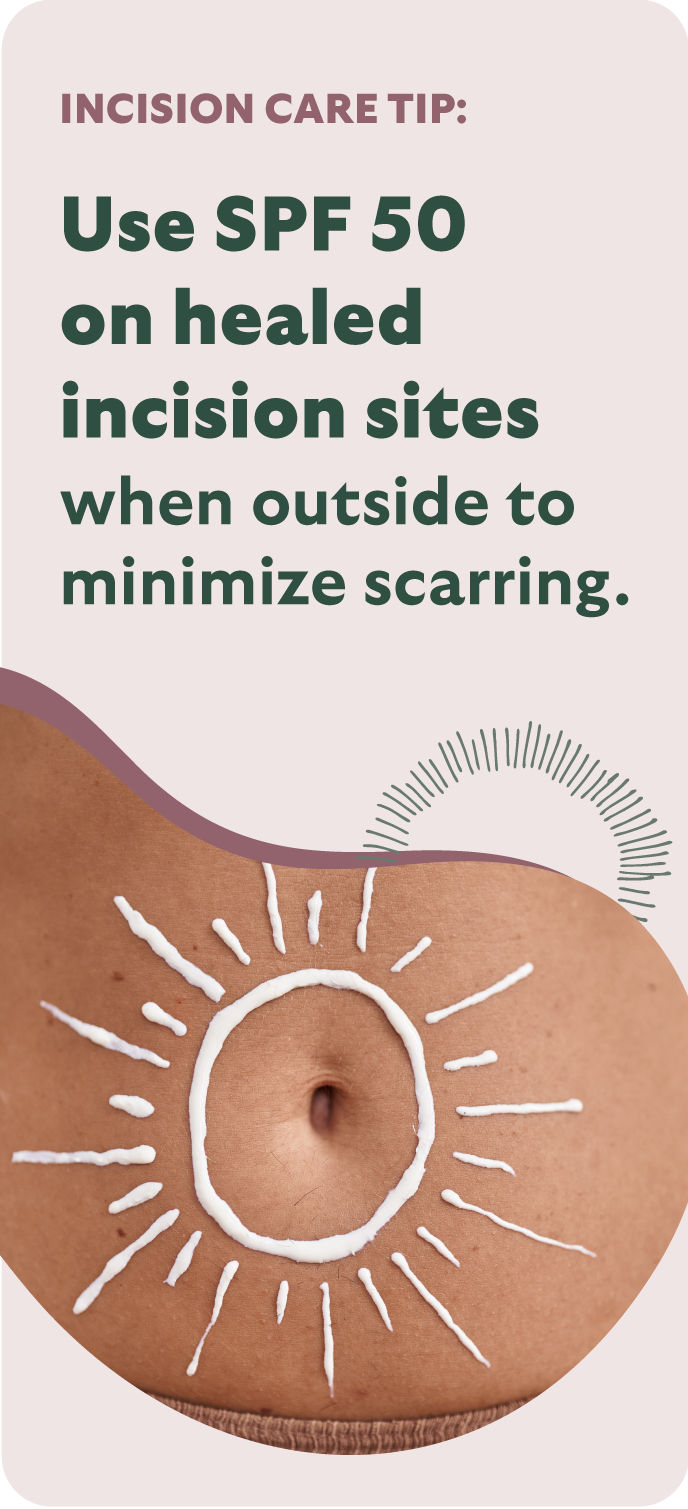
Your incisions should be healed around this time. If you spend time in the sun, be sure to apply an SPF 50 or higher sunscreen to prevent sunburn and scarring.
Week 6 and Beyond
Although the timeline for full physical recovery varies from person to person, many patients can return to their normal activities after six weeks.
Wondering when you can return to work? It all depends on how taxing your job is. If you can work from a computer in bed, you may be able to start working a week or two after surgery. If you need to leave the house or have a physically demanding job, it may be six weeks or more. The most important thing is to listen to your body. If you’re accustomed to a regular exercise routine and feel ready to resume more vigorous movement, you can. But remember to build up gradually over the course of your recovery rather than starting suddenly.
Once the initial recovery period has passed, you should continue to monitor your symptoms and check in with your doctor regularly.
Here’s a general timeline for check-ins in the months and years after your surgery:
| Timeline | What to Expect |
|---|---|
| 0–3 months | Surgical recovery, HRT within seven days, hormone lab monitoring and adjustments, pain management, and bowel support. Walking and light exercise may begin in 4–6 weeks if cleared. Avoid heavy lifting for 6–8 weeks. Typical return to work is 2–4 weeks. |
| 3–6 months | Begin pelvic floor PT; post-op ultrasound at 3 months (or cuff check for hysterectomy); optimize nutrition; start HRT if needed |
| 6–12 months | Labs, bone scan (if menopausal), symptom tracking, begin deeper fitness or GI goals |
| Year 1–2 | Maintenance labs, continued PT/nutrition, surveillance imaging (if symptoms warrant) |
| Year 3–5+ | Lifelong monitoring, HRT updates, GI/pelvic refreshers, fitness goals, integrative therapies |
Remember: Recovery Is More Than Physical
Recovering from excision surgery is often an emotional experience. You may be relieved to finally have an official diagnosis and treatment for the pain you’ve been feeling, but even minimally invasive surgery can induce some anxiety. That’s why taking care of your mental and emotional health is so important.
As you continue your healing journey, you and your doctor will make a plan for how to manage endometriosis moving forward. A few options you may consider, depending on your symptoms and goals, include:
- Acupuncture: Acupuncture, which involves extremely thin needles into the skin, has been shown to help with pain, anxiety, depression, and even infertility.
- Nutrition: A low-inflammatory diet rich in fiber and plant-based foods can help prevent and manage endometriosis pain.
- Pelvic floor physical therapy: Pelvic floor therapy can help endometriosis patients by relaxing tight muscles, addressing bowel and bladder issues, and more. The doctors at ESSE Care always recommend pelvic floor PT to our patients, whether they decide to have surgery or not.
- Birth control: If you don’t desire fertility in the near future, you may elect to use birth control to help reduce uncomfortable symptoms, especially those related to ovulation and menstruation. We work collaboratively with our patients to decide whether birth control makes sense as part of your care plan.
At ESSE Care, we provide our patients with connections to therapists and other professionals who can help make recovery easier on your mind, body, and spirit. Finding support from other patients, either in person or online, can also help you feel less alone as you heal.
To learn more about how we help our patients prepare for and recover from endometriosis excision surgery, schedule a consultation today.