Post-Operative Rounds: Finding Relief After Years of Answers
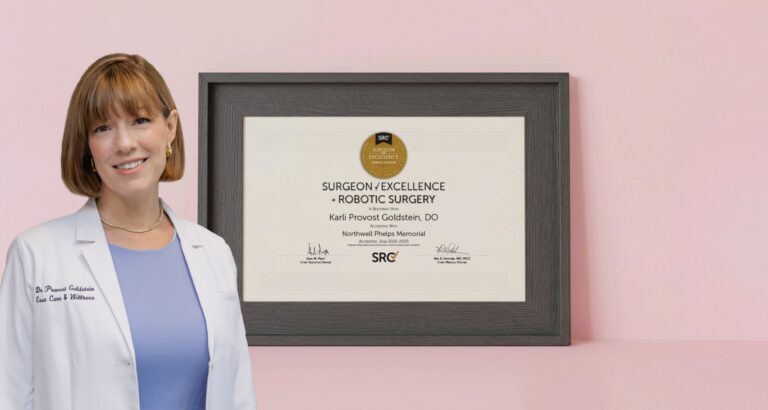
Just 24 hours after undergoing a complex 5-hour surgery for stage IV endometriosis, a patient sits down with Dr. Karli Provost Goldstein to reflect on her recovery. Unlike her previous diagnostic laparoscopy—which left her in pain and without real answers—this excision addressed the full extent of her disease. Already, she describes feeling significantly less pelvic pressure, minimal pain, and a deep sense of relief.
Her experience highlights what so many patients have long deserved: thorough, compassionate care that goes beyond observation to true intervention.
Key Insights from 24-Hour Recovery
- Why Excision Matters: Diagnostic laparoscopies often leave disease behind. Complete excision removes lesions and restores normal anatomy.
- Adhesions and Pelvic Pressure: Endometriosis and prior surgeries can cause scar tissue that binds organs together, leading to pain, bloating, and restricted movement.
- Immediate Post-Op Improvements: Even after extensive surgery, patients often feel a surprising reduction in pain and pressure within the first 24–48 hours.
- Emotional Impact of Being Heard: Effective treatment brings not only physical relief, but emotional validation—especially after years of being dismissed.
The Difference Expert Care Makes
At ESSE Care, we understand that endometriosis is more than just a gynecological condition—it’s a complex disease that can affect multiple organ systems and every aspect of your life. Our integrated approach combines precision surgery with comprehensive wellness support to address not just your symptoms, but your whole-body health.
Learn about the four stages of endometriosis, from minimal superficial disease to complex multi-organ involvement requiring specialized care.
Learn MoreComprehensive care for every stage of life, from teenage years through menopause, with personalized treatment plans and ongoing support.
Explore CareHow to Advocate for Yourself
If you suspect you have endometriosis, don’t wait for a doctor to take your pain seriously. Here’s what you can do:
- Track your symptoms—particularly, note patterns related to your menstrual cycle. Do certain problems get worse right before or during your period?
- Request a referral to a specialist (not just an OB-GYN, but an endometriosis excision specialist).
- Push for further testing, including laparoscopy, if symptoms persist.
- Seek a second (or third) opinion if your concerns are dismissed.
At ESSE Care, we believe your pain is real, and your concerns matter. If you’ve been told your symptoms are all in your head or that your pain can’t be treated, know that you deserve better care. We’re here to help you get the answers and relief you need.
Resources for Your Journey
Learn the signs that indicate you need expert care, plus advocacy tips and guidance on finding the right specialist for your needs.
Get GuidanceMiss Connecticut 2023 shares her journey with undiagnosed endometriosis, emergency care, and the importance of symptom tracking and self-advocacy.
Read Story