Chronic pelvic pain is non-cyclic pain below the belly button that persists for longer than three to six months and is impacting someone’s quality of life. It affects up to 15 to 20% of women, although just one third of those patients seek treatment.
Common Causes and Why They Often Overlap
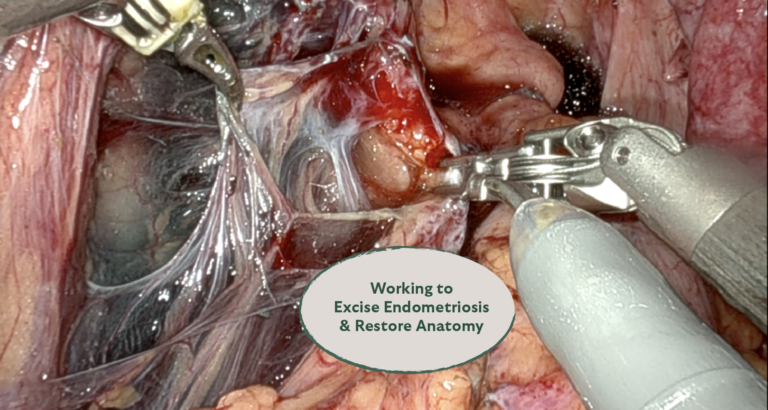
Endometriosis is the most common cause of gynecologic chronic pelvic pain, but fibroids, pelvic congestion syndrome, and adenomyosis are also well-recognized causes. These conditions often overlap with other systems or pain syndromes, including pelvic floor dysfunction, interstitial cystitis, inflammatory bowel disease, and fibromyalgia.
Patients often experience this overlap through symptoms that feel unrelated or get dismissed. Pain during sex and painful periods are among the most commonly minimized early signals that something more may be going on.
Why Waiting Makes It Harder
The most important thing to understand is that the longer chronic pelvic pain goes undiagnosed and untreated, the harder it is to reverse. This happens through a process called central sensitization, which can amplify pain and cause widespread sensitivity. Chronic pain has led to real neurologic changes that have been demonstrated on brain MRI.
What You Will Learn
- What chronic pelvic pain is and how it is defined
- Which conditions most commonly cause it
- How untreated pain leads to central sensitization
- Why seeking care early leads to better outcomes
The Takeaway
Please do not wait to seek treatment. Find a team that can help you figure out where your pain is coming from. ESSE Care’s team takes a comprehensive, integrative approach to chronic pelvic pain, combining precision surgery when needed with holistic therapies to treat the whole person, not just the diagnosis.