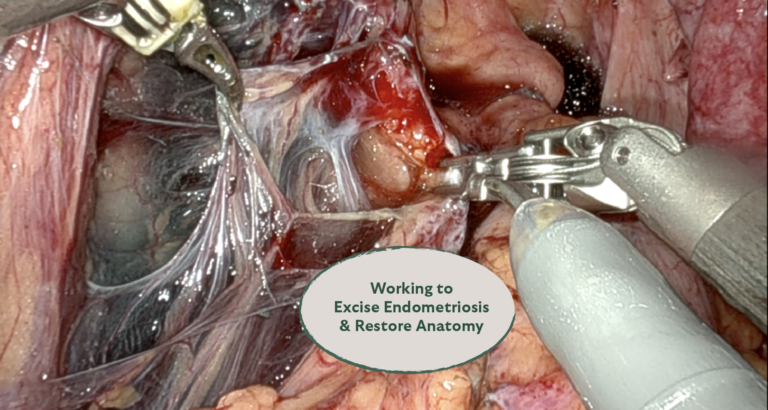
Endometriosis is increasingly recognized as more than a gynecologic condition. Many patients experience overlapping symptoms that extend across multiple body systems, and there is a growing understanding of connections between endometriosis and Ehlers-Danlos syndromes (EDS), hypermobility spectrum disorders (HSD), postural orthostatic tachycardia syndrome (POTS), and mast cell activation syndrome (MCAS).
This was the topic of a webinar hosted during EDS/HSD Awareness Month by New York Women’s CBT and Solstice Physiotherapy. The multidisciplinary discussion brought together experts across women’s health, pelvic floor physical therapy, functional medicine, gastroenterology, nutrition, mental health, and gynecologic surgery, including:
- Ariel Katz, Licensed Mental Health Counselor
- Kelsey Bates, Licensed Mental Health Counselor
- Dr. Alexis Cutchins, Cardiologist
- ESSE Care’s Dr. Amanda Chu, Endometriosis Excision Surgeon
- Kathy Kates, NP, Hormone Specialist
- Dr. Erica Michitsch, Pelvic Floor Physical Therapist
- Dr. Kara Mortifoglio, Pelvic Floor Physical Therapist
- Dr. Elena Ivanina, Gastroenterologist
- Dr. Claire Brandon, Consult Liaison Psychiatrist
- Charlotte Mueller, MSN, FNP, Vulvovaginal Disorders
Together, the panelists highlighted how collaborative, whole-person care can help patients better understand and navigate these complex and often overlapping conditions. Here are five of the most important takeaways from the discussion.
1. These conditions rarely exist in isolation.
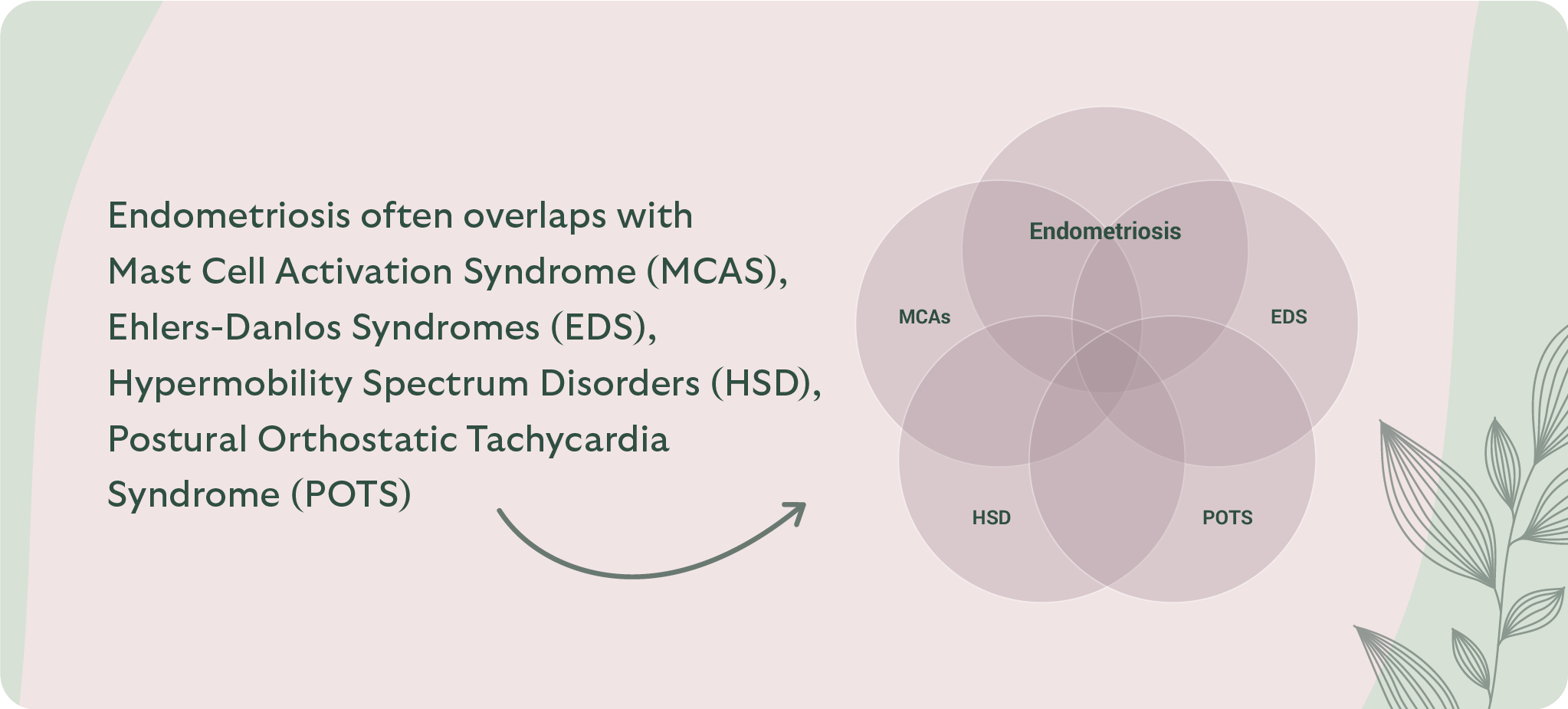
One of the central themes of the webinar was the importance of multidisciplinary care.
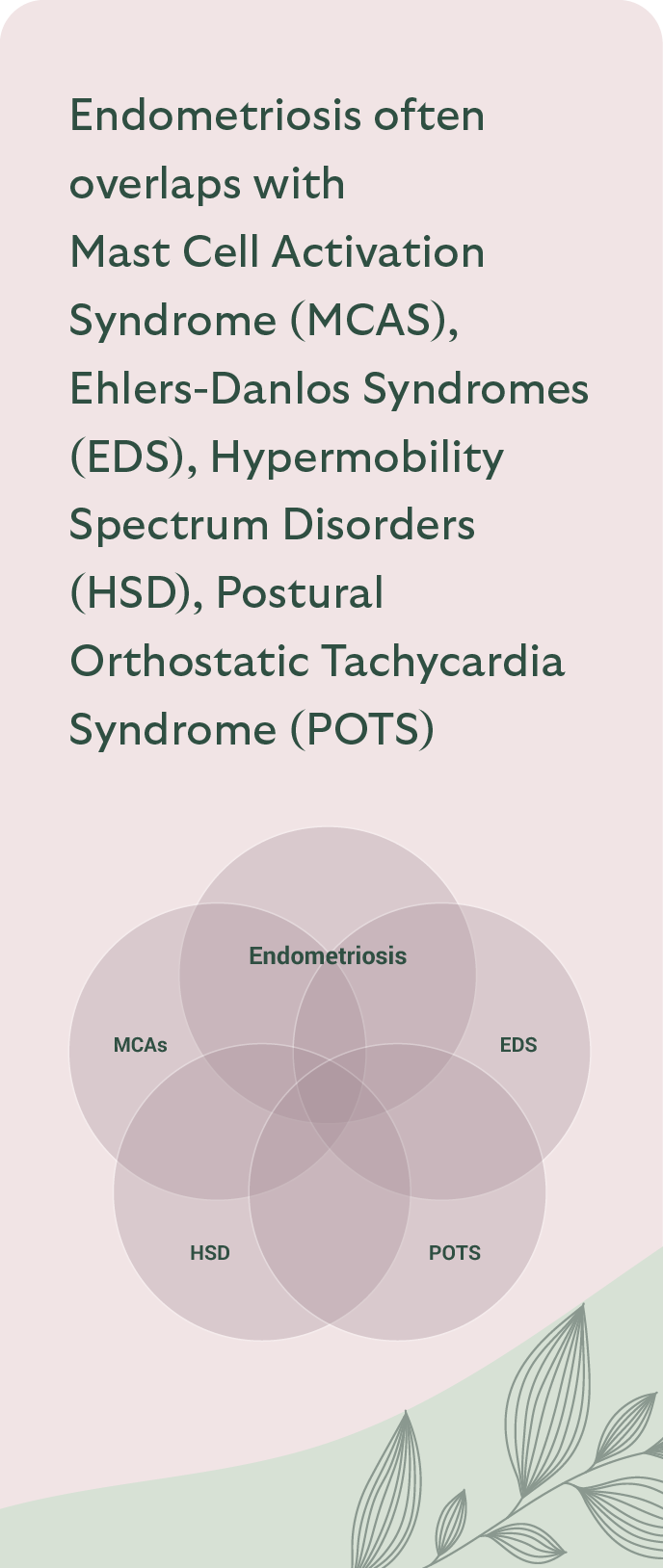
Patients with EDS or HSD often experience symptoms that extend far beyond joint hypermobility. Many also navigate overlapping conditions such as POTS, MCAS, gastrointestinal disorders, pelvic floor dysfunction, chronic pain, fatigue, and endometriosis.
The overlap of EDS, POTS, and MCAS is sometimes referred to as the “trifecta,” though the panelists discussed how the reality may be even more complex, involving multiple interconnected systems throughout the body.
This is why patients may benefit from a care team that includes:
- Pelvic floor physical therapists
- Gastroenterologists
- Cardiologists or internists
- Mental health professionals
- Vulvar pain specialists
- Endometriosis specialists and surgeons
No single specialty can address every aspect of these conditions alone. Comprehensive care often requires collaboration across disciplines to fully support a patient’s symptoms and quality of life.
2. Connective tissue disorders can influence surgical considerations.
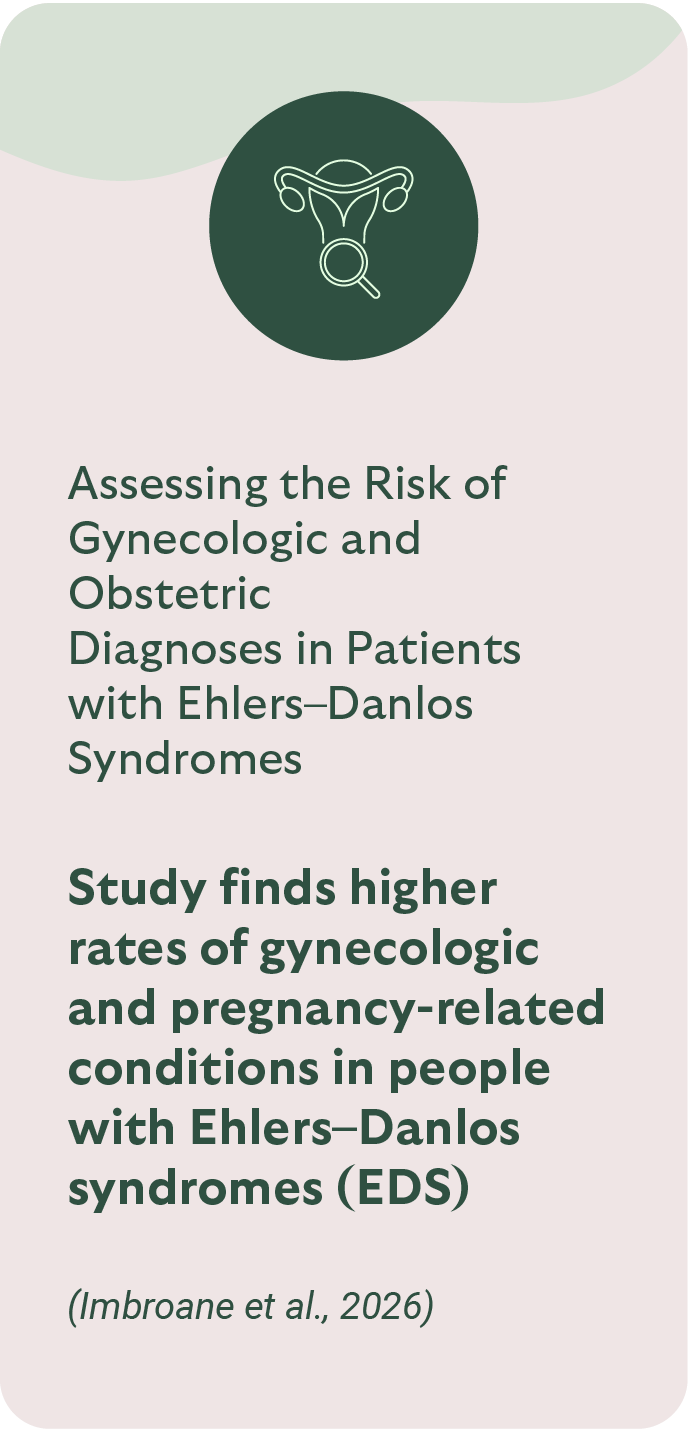
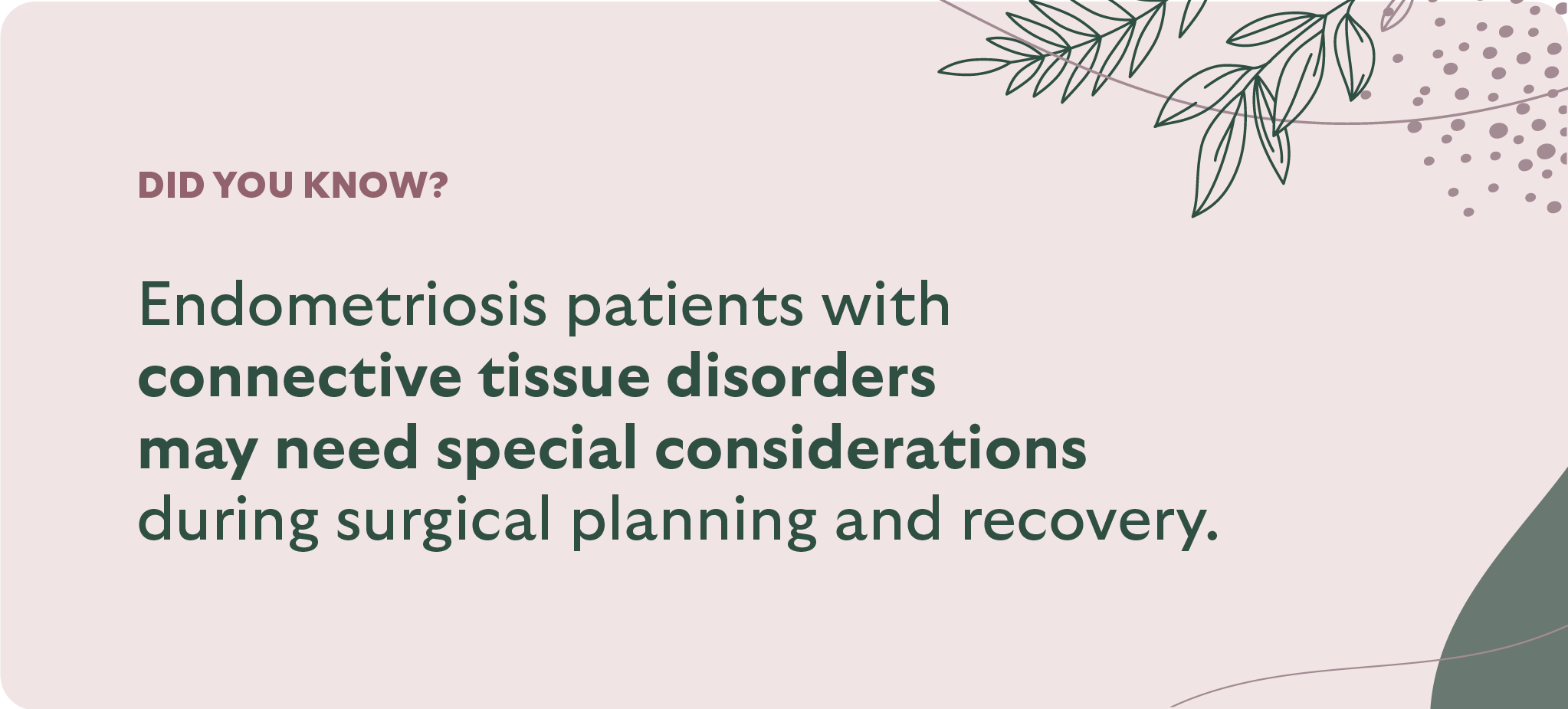
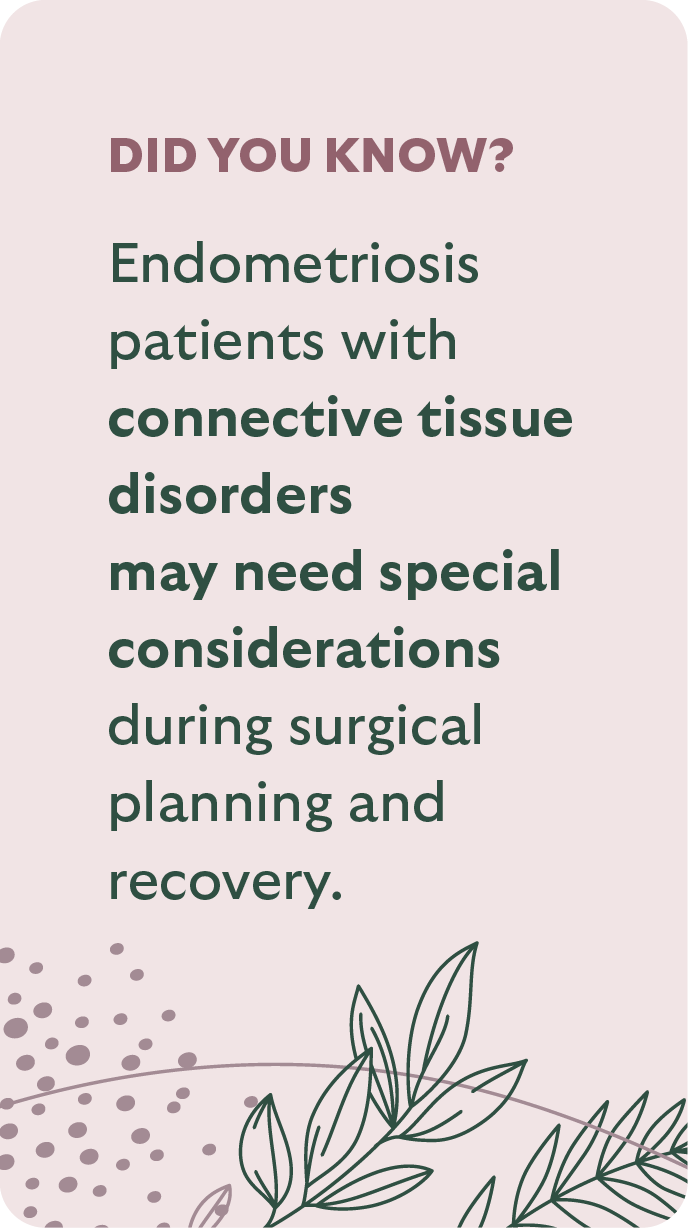
Dr. Chu discussed several important surgical considerations for patients with EDS and hypermobility disorders.
Because EDS involves abnormalities in collagen and connective tissue, patients may be more prone to tissue laxity, prolapse, delayed healing, bruising, and increased sensitivity following surgery. These factors can influence both surgical planning and recovery.
The panel also discussed how associated conditions like POTS and MCAS may affect perioperative care. For example:
- Patients with POTS may require careful hydration and electrolyte support.
- Those with MCAS or heightened immune sensitivity may be more prone to allergic or atopic reactions.
- Chronic pain and nervous system dysregulation may affect recovery experiences.
These considerations reinforce the importance of individualized surgical planning and coordinated care before and after procedures.
3. The immune system may play a major role in endometriosis.
A significant portion of the discussion focused on the growing evidence that endometriosis is linked to immune dysfunction and chronic inflammation.
Historically, endometriosis was often viewed primarily as a hormonal condition. However, emerging research suggests the disease involves complex interactions within both the innate and adaptive immune systems.
The panel highlighted the role of mast cells, which are part of the body’s innate immune response alongside macrophages and natural killer cells. Increased mast cell activity has been identified within endometriosis lesions, and researchers believe this may contribute to inflammation, pain signaling, and symptom persistence.
One proposed mechanism involves abnormal aromatase activity within endometriosis lesions. This can increase local estrogen production, which may then stimulate mast cells and contribute to a self-perpetuating inflammatory cycle.
While research is ongoing, these findings are helping reshape how clinicians understand the disease process behind endometriosis.
4. Endometriosis should be viewed as a systemic condition.
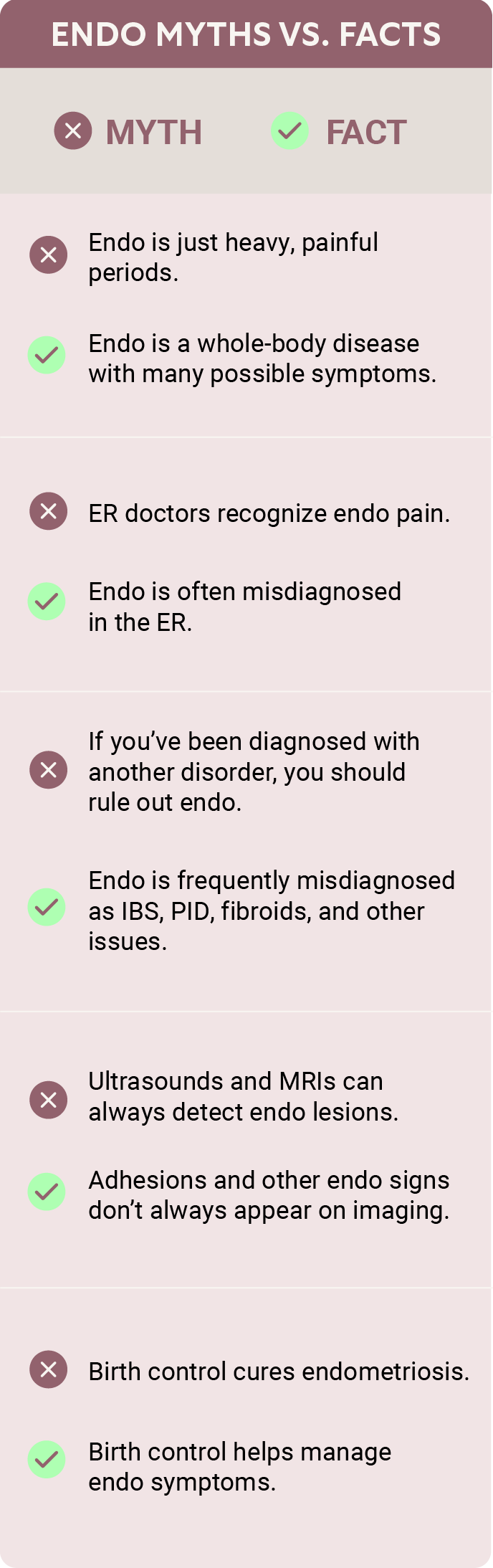
Another major takeaway from the discussion was the evolving understanding of endometriosis as a systemic disease rather than a condition isolated to the pelvis.
Endometriosis patients frequently experience symptoms that involve multiple body systems, including:
- Gastrointestinal symptoms
- Fatigue and sleep disruption
- Nervous system dysregulation
- Musculoskeletal pain
- Bladder symptoms
- Pelvic floor dysfunction
For patients with EDS or HSD, these overlapping symptoms can become even more difficult to untangle.
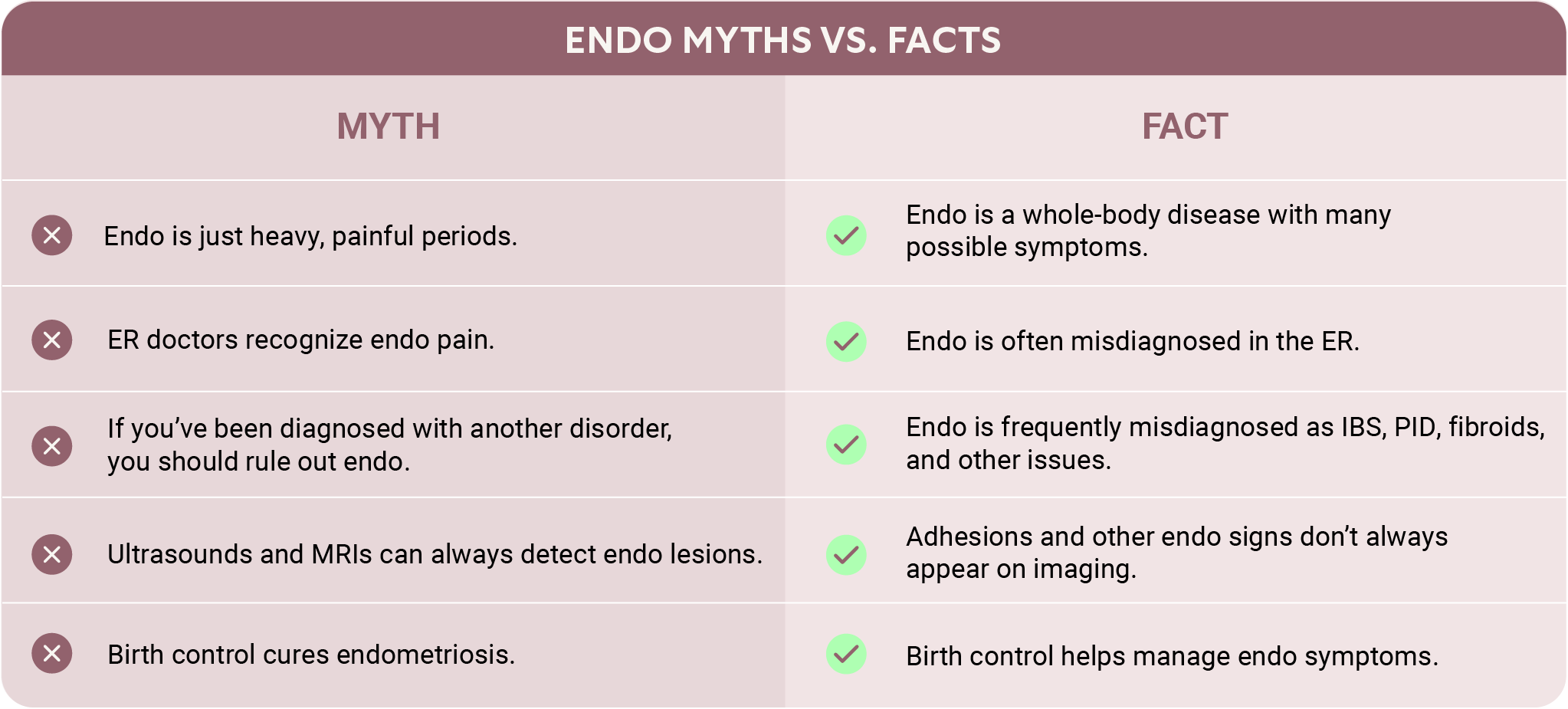
This broader understanding may help explain why some patients continue to experience significant symptoms despite normal imaging or prior treatments. It also reinforces why whole-body approaches to care are often necessary.
5. New research is changing the future of endometriosis care.
The webinar concluded with a discussion about exciting shifts happening in endometriosis research and treatment development.
Rather than focusing exclusively on hormones or surgery, researchers are increasingly exploring therapies that target inflammation, immune pathways, nervous system regulation, and pain processing.
This represents an important paradigm shift in the field.
As of now, excision surgery remains the gold standard for endometriosis patients. But the future of endometriosis care will likely involve multidisciplinary treatment approaches that address the full complexity of the disease.
What This Means for Patients
For patients navigating endometriosis, EDS, HSD, POTS, MCAS, or chronic pelvic pain, this conversation offered an important reminder: Your symptoms are real, interconnected, and deserving of comprehensive care.
As our understanding of these conditions continues to evolve, patients may benefit from:
- Seeking providers who recognize overlapping conditions.
- Building a collaborative care team.
- Understanding that symptoms may involve multiple systems in the body.
- Advocating for individualized treatment approaches.
- Prioritizing both physical and emotional well-being throughout care.
At ESSE Care, conversations like this one continue to shape how we approach complex gynecologic and chronic pain conditions. The goal is not simply symptom management, but rather thoughtful, collaborative care that supports the whole person.