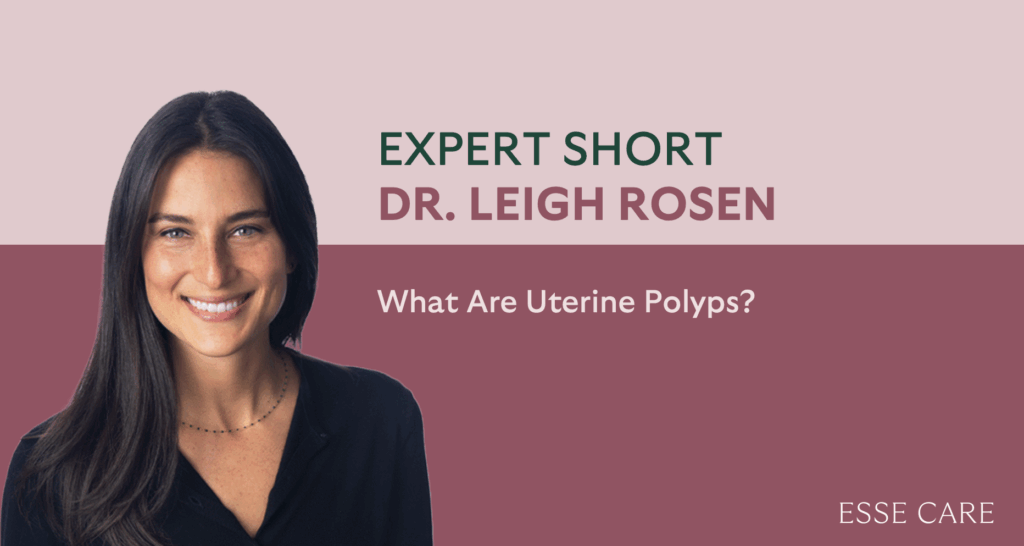
What Are Uterine Polyps? Understanding Growths in the Uterine Lining
Dr. Leigh Rosen, MD explains how uterine/endometrial polyps develop, what symptoms may signal their presence, and when they warrant further evaluation—especially in the context of bleeding irregularities or fertility concerns.
Uterine (also called endometrial) polyps are tissue overgrowths arising from the inner lining of the uterus (the endometrium). These growths may vary in size from very small to several centimetres in diameter.
Many people with polyps may have no symptoms at all, but when symptoms do occur they typically include irregular menstrual bleeding, bleeding between periods, heavy periods, and in some cases spotting after menopause.
While the exact cause is not always known, these polyps tend to be influenced by hormone levels (especially estrogen) and are more common as one approaches the perimenopausal/menopausal years or in settings of hormonal imbalance. Because of this, their presence may warrant a closer look in patients with abnormal bleeding or fertility challenges.
Schedule Your Consultation
If you’re experiencing abnormal uterine bleeding, spotting between periods, or are navigating fertility concerns where a uterine polyp may be a factor, connect with the ESSE Care team for a personalized evaluation.
Get in Touch