Understanding Where They Grow and What They Do
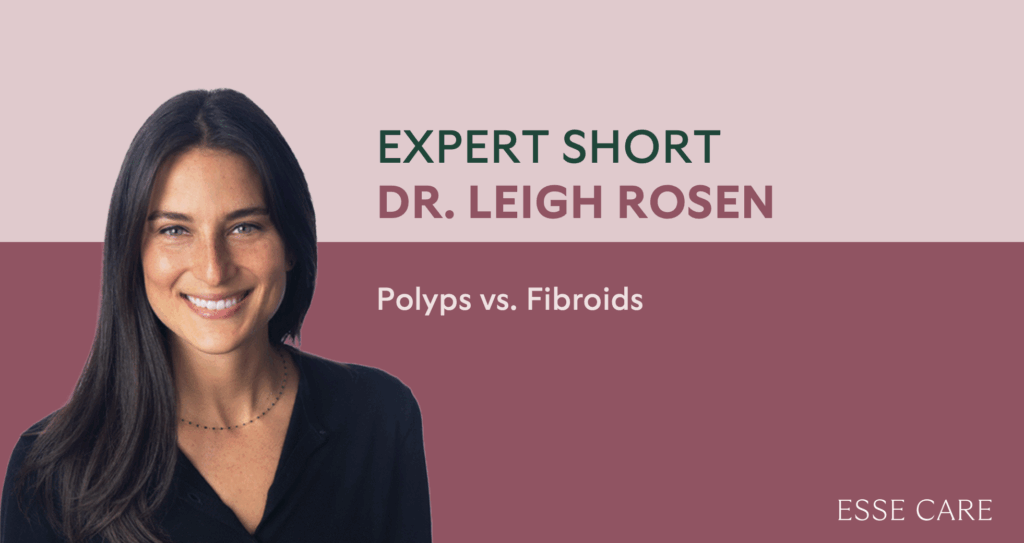
Polyps and fibroids are common causes of abnormal bleeding and fertility concerns, but they’re not the same thing. Polyps arise from the endometrium, the inner lining of the uterus, while fibroids grow from the myometrium, the muscular wall of the uterus.
Because of these differences, their symptoms and treatment paths often diverge. Both can cause irregular bleeding, spotting, or heavy periods and both can make it harder to get pregnant. However, fibroids tend to grow larger than polyps, and depending on location, can press on nearby organs like the bladder or bowel, causing bloating, urinary urgency, constipation, or pain during sex.
Tailoring Treatment to Your Symptoms and Goals
Understanding whether you’re dealing with a polyp or a fibroid helps guide the right treatment approach. Polyps can often be addressed with a minimally invasive hysteroscopic procedure that removes the growth through the cervix with no abdominal incisions. Fibroids, depending on their size, number, and location, may be treated with hysteroscopic, laparoscopic, robotic, or other surgical approaches based on what imaging reveals and what aligns with your fertility and wellness goals.
At ESSE Care, we specialize in differentiating and treating both conditions with the least invasive yet most effective approach for your unique body and objectives. Connecting with a specialist early can help clarify the best path forward—whether it’s symptom management, surgical removal, or monitoring and supportive care.