What does it mean when an endometrioma is only one visible part of a much broader health picture? These ovarian cysts can be associated with inflammation, adhesions, pelvic pain, fertility concerns, and years of symptoms that may have been minimized or misunderstood.
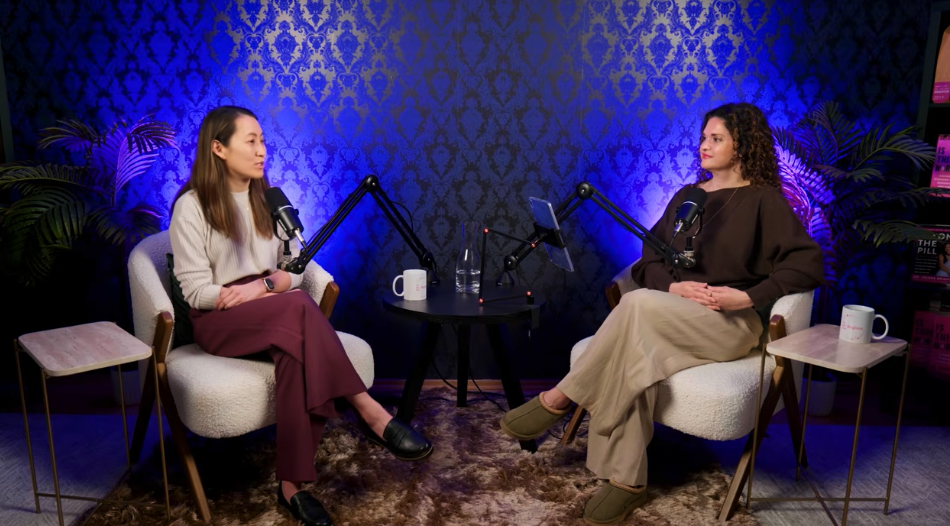
In this episode of The Dr. Brighten Show, Dr. Amanda Chu and Dr. Jolene Brighten discuss endometriomas, emergency-room care, surgical decision-making, fertility, medical misinformation, and the importance of treating the whole person—not only what appears on an ultrasound. Together, they offer practical context to help patients ask better questions, understand uncertainty, and make individualized decisions with greater clarity and confidence.
Featuring:
- Dr. Amanda Chu, MD: Board-certified OB/GYN and fellowship-trained minimally invasive gynecologic surgeon at ESSE Care, specializing in endometriosis, adenomyosis, chronic pelvic pain, ovarian cysts, fibroids, and infertility-related pelvic conditions.
- Dr. Jolene Brighten, NMD: Board-certified naturopathic endocrinologist, author, speaker, and host of The Dr. Brighten Show, known for accessible education on hormones and women’s health.
What You’ll Learn:
- How leaking or ruptured endometriomas can contribute to inflammation, scarring, and adhesion.
- What emergency care can—and often cannot—provide for endometriosis-related pain.
- Why missed school, work, activities, or social life can be an important clinical warning sign.
- How age, quality of life, fertility priorities, anatomy, and treatment history can shape surgical conversations.
- What trustworthy, transparent care looks like when evidence is limited or recommendations differ.
- Why endometriosis care may include coordinated support for pain, pelvic-floor function, nutrition, emotional well-being, fertility, and other health needs.
This Conversation Is for You If:
- You’ve been diagnosed with an endometrioma or told you have a “chocolate cyst.”
- You experience pelvic pain or flare-ups that disrupt school, work, exercise, sleep, relationships, or daily life.
- You have visited—or considered visiting—the emergency room for severe or changing pelvic pain.
- You’re weighing treatment options such as monitoring or excision surgery and want to understand the tradeoffs.
- You’ve received conflicting medical advice and want to know what questions to ask or when to seek a second opinion.
- You want care that considers your symptoms, goals, and overall well-being—not only an imaging result.
Watch the full conversation for practical insight into endometriomas, informed consent, specialist care, and building a treatment plan that reflects what matters most to you.