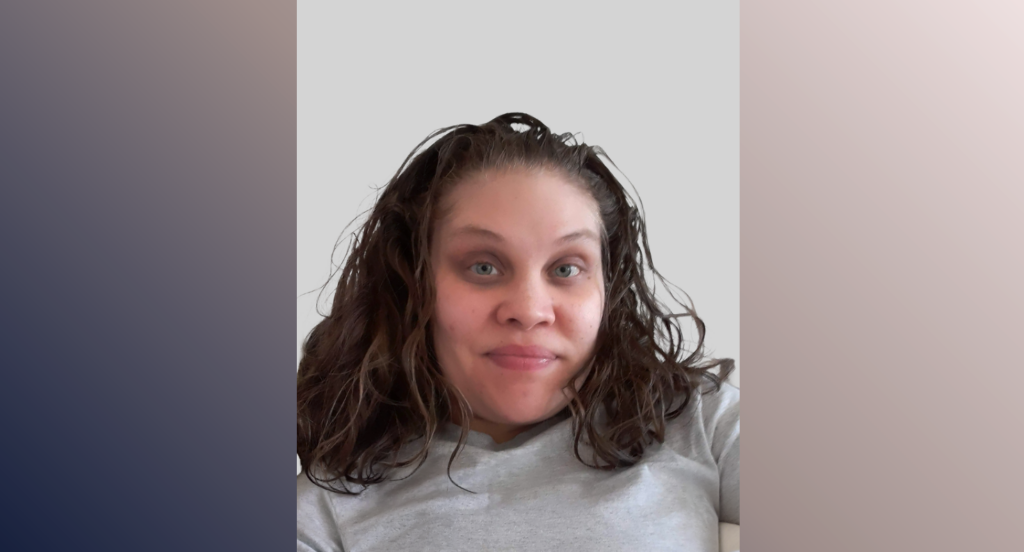
For most of her life, Barbara (Bee) Gonzalez lived with pain that no one could fully explain.
She got her first period at just nine years old. By age eleven, her symptoms had become so severe that she was prescribed birth control in hopes of managing the pain. But despite years of medical appointments, treatments, and searching for answers, the symptoms never truly went away.
As she got older, everyday activities became increasingly difficult. Walking could trigger intense discomfort. Flare-ups brought debilitating back pain that traveled down her legs, along with nausea, fatigue, and the kind of exhaustion that made even simple tasks feel overwhelming.
“For many years, doctors couldn’t understand why I had what seemed like sciatica,” Barbara shares.
For years, she pushed through the pain, adapting her life around symptoms she couldn’t control. Family gatherings, work obligations, and everyday plans were often overshadowed by uncertainty about how she would feel from one day to the next.
Searching for Answers


Although Barbara sought help from multiple physicians over the years, finding a diagnosis was not easy.
Research shows that it takes an average of 4 to 11 years for patients to be diagnosed with endo, but Barbara waited even longer. She wasn’t diagnosed with endometriosis until she was 26 years old—17 years after starting her period and 15 years after being prescribed birth control for her pain—when she underwent her first surgery.
Over time, she underwent three separate procedures, each bringing hope that relief was finally within reach. But despite multiple surgeries, her symptoms persisted. The pain continued. The flare-ups returned. One surgeon even told her she would have stage IV endo “forever,” as if relief wasn’t possible.
The truth was that Barbara just hadn’t found the right endo excision specialist yet.
Finding a Different Kind of Care
After years of frustration, Barbara found ESSE Care. What stood out immediately was the feeling that her story mattered. Rather than focusing solely on her symptoms, the team took the time to understand her history, previous surgeries, and the challenges she had been facing for years. For the first time, she felt like her care was truly individualized.
“When I found Dr. Goldstein and Dr. Chu, everything shifted,” she says. “They have a better understanding of endo.”
For Barbara, that understanding meant more than excision surgery expertise. It meant being listened to, having her experiences validated, and finally working with a team committed to uncovering why she continued to struggle despite years of treatment.
Finally Understanding the Full Picture
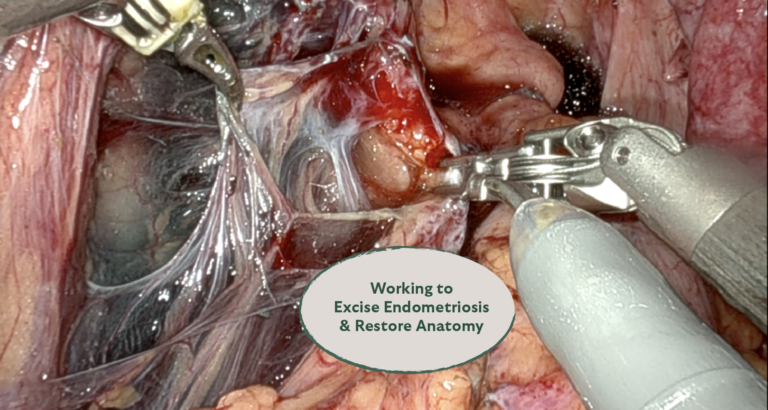
During surgery, the extent of Barbara’s disease became clear. Her endometriosis was far more extensive than anyone had previously realized. The disease had significantly altered her anatomy, with severe adhesions and deeply infiltrating endometriosis contributing to years of pain and dysfunction.
The findings helped explain symptoms that had affected nearly every aspect of her life—from the pain that made walking difficult to the flare-ups that interrupted work, family events, and daily activities.
For the first time, everything made sense.
“This surgery was different from my other three,” Barbara says. “They got down to the nitty-gritty and finally found the root of the problem.”
Because of the severity of her disease, recovery has been a gradual process. But even in the weeks following surgery, Barbara noticed meaningful changes.
“I do feel better,” she says. “It’s getting better a little at a time.”
For someone who spent years adapting her life around pain, those small improvements represent something much bigger: the possibility of moving forward.
Healing isn’t always immediate, and recovery looks different for everyone. But for Barbara, having a clear understanding of her condition—and a team she trusts—has made all the difference.
Looking Toward the Future
Like many women with endometriosis, Barbara wishes she had found specialized care sooner.
She thinks about the years spent searching for answers, the opportunities missed because of pain, and the countless moments she was told there was no clear explanation for what she was experiencing.
But she also reflects on how far she’s come. Today, Barbara is focused on healing and reclaiming parts of her life that endometriosis once controlled. She no longer feels like she’s navigating this journey alone.
Working with Dr. Amanda Chu and the ESSE Care team gave her something she had been searching for years: answers, validation, and hope.
“I wish I had found them sooner,” she says. “But I’m happy that I found them.” After four surgeries and years of unanswered questions, Barbara finally understands the root of her pain. And while her healing journey continues, she faces the future with something she hadn’t felt in a long time—a renewed sense of possibility.