Hysteroscopy as a Core Treatment for Intrauterine Scarring
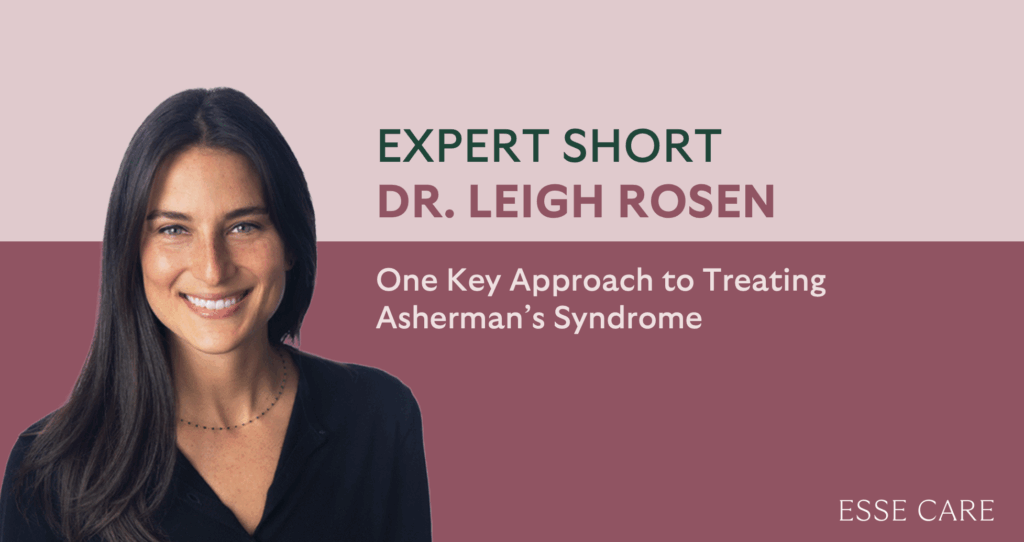
In this expert short, Dr. Leigh Rosen walks through a central approach to treating Asherman’s syndrome: hysteroscopic lysis of adhesions. This minimally invasive technique uses a small camera to visualize and remove intrauterine scar tissue.
The extent of scarring—from mild to severe—determines how complex the procedure is and what it may mean for fertility. Once scar tissue is removed, temporary supportive measures such as an intrauterine balloon or stent may be used to help keep the uterine walls separated while they heal. Dr. Rosen also discusses the use of estrogen therapy and antibiotics to encourage healthy regrowth of the uterine lining and reduce infection risk during recovery.
Patients with a history of postpartum complications, prior uterine surgery, or noticeable changes in menstrual flow should consider asking their provider about evaluation for Asherman’s syndrome. Early assessment with hysteroscopic techniques can improve outcomes for those seeking restored uterine function or future fertility.
Restoring the Uterine Environment
Addressing intrauterine scarring can significantly improve reproductive outcomes and quality of life. As Dr. Rosen highlights, hysteroscopy offers a direct, minimally invasive way to both diagnose and treat Asherman’s syndrome, often allowing patients to go home the same day with a clear plan for healing.
Postoperative strategies—including temporary spacing devices and hormonal support — help promote healthy regrowth of the uterine lining and reduce the risk of re‑adhesion. If you’ve experienced reduced menstrual flow or fertility changes after surgery or delivery, discussing this possibility with a specialist experienced in advanced hysteroscopic care may be the next step toward answers and relief.