• Let's Chat
  • Contact Form
× Send

What Is a Myomectomy and Which Type Is Right for You?

A myomectomy is a surgery performed to remove uterine fibroids, and choosing the right surgical approach depends on your anatomy, symptoms, and goals

Dr. Leigh Rosen Explains the Different Surgical Approaches for Fibroid Removal

A myomectomy is a surgery performed to remove uterine fibroids, and choosing the right surgical approach depends on your anatomy, symptoms, and goals. In this video, Dr. Leigh Rosen breaks down the three main types of myomectomy and why individualized care is key to safe and effective treatment.

Surgical options include:

  • Hysteroscopic Myomectomy: The least invasive, performed vaginally to remove fibroids from inside the uterine cavity.
  • Laparoscopic or Robotic Myomectomy: Minimally invasive abdominal surgery using small incisions and precision tools.
  • Open Myomectomy: A traditional approach requiring a larger incision to access and remove fibroids that are large, numerous, or deeply embedded.

Dr. Rosen emphasizes the importance of understanding why surgery is being recommended and which approach aligns best with your body and reproductive goals. Evaluation through imaging—like MRI and ultrasound—combined with physical exam and patient priorities help determine the safest and most effective plan.

What Is Right for You? 

At ESSE Care and Wellness, Dr. Karli Provost Goldstein and Dr. Leigh Rosen are trained in advanced for the treatment of fibroids and other pelvic diseases. During your consultation, your doctor will review the types of fibroids you have based on imaging results and may order additional imaging, such as an MRI, to assess any other existing pelvic diseases. 

You can trust our experts to help you find the right path forward. Contact ESSE Care today to schedule a consultation. 
Content Page Subscribe Widget
Share this post:

Explore more:

Inflammation and Implantation_Clinical Round Table
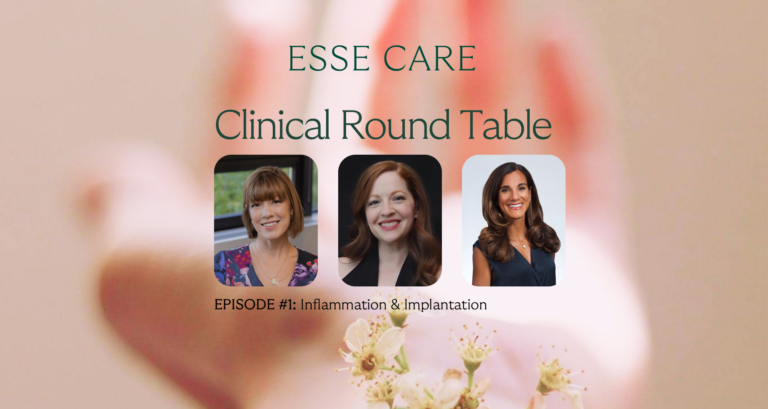
Clinical Round Table Ep. 1 On-Demand: Inflammation and Implantation
What happens when everything looks “normal,” but implantation still does not occur? We explore one of the most common and frustrating experiences in fertility care: failed implantation despite strong embryos...
Read More
What Is a Salpingectomy and What Should You Know Before Having One
Dr. Leigh Rosen explains what a salpingectomy is, why it may be recommended, and why removing your fallopian tubes does not affect your hormones or put you into menopause.
Read More
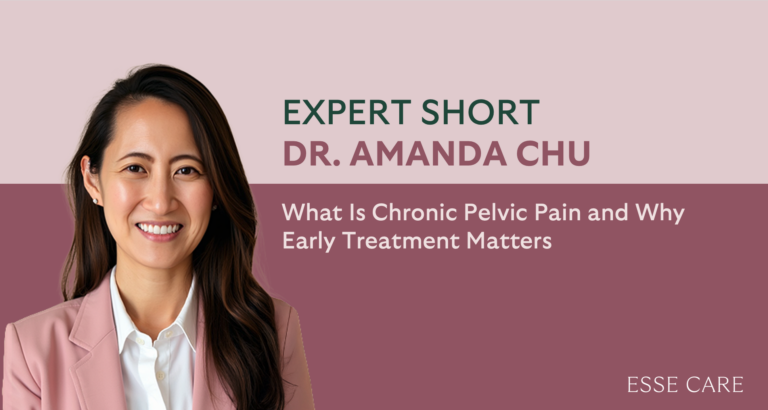
What Is Chronic Pelvic Pain and Why Early Treatment Matters
Dr. Amanda Chu explains chronic pelvic pain, its most common causes including endometriosis, fibroids, and adenomyosis, and why early treatment is key to preventing lasting neurologic changes.
Read More
Inflammation and Implantation_Clinical Round Table
Clinical Round Table Ep. 1 On-Demand: Inflammation and Implantation
What happens when everything looks “normal,” but implantation still does not occur? We explore one of the most common and frustrating experiences in fertility care: failed implantation despite strong embryos...
Read More
What Is a Salpingectomy and What Should You Know Before Having One
Dr. Leigh Rosen explains what a salpingectomy is, why it may be recommended, and why removing your fallopian tubes does not affect your hormones or put you into menopause.
Read More
Inflammation and Implantation_Clinical Round Table
Clinical Round Table Ep. 1 On-Demand: Inflammation and Implantation
What happens when everything looks “normal,” but implantation still does not occur? We explore one of the most common and frustrating experiences in fertility care: failed implantation despite strong embryos...
Read More
What Is a Salpingectomy and What Should You Know Before Having One
Dr. Leigh Rosen explains what a salpingectomy is, why it may be recommended, and why removing your fallopian tubes does not affect your hormones or put you into menopause.
Read More
What Is Chronic Pelvic Pain and Why Early Treatment Matters
Dr. Amanda Chu explains chronic pelvic pain, its most common causes including endometriosis, fibroids, and adenomyosis, and why early treatment is key to preventing lasting neurologic changes.
Read More