• Let's Chat
  • Contact Form
× Send

Risk Reduction Surgery for Ovarian Cancer in Endometriosis Patients: What You Need to Know

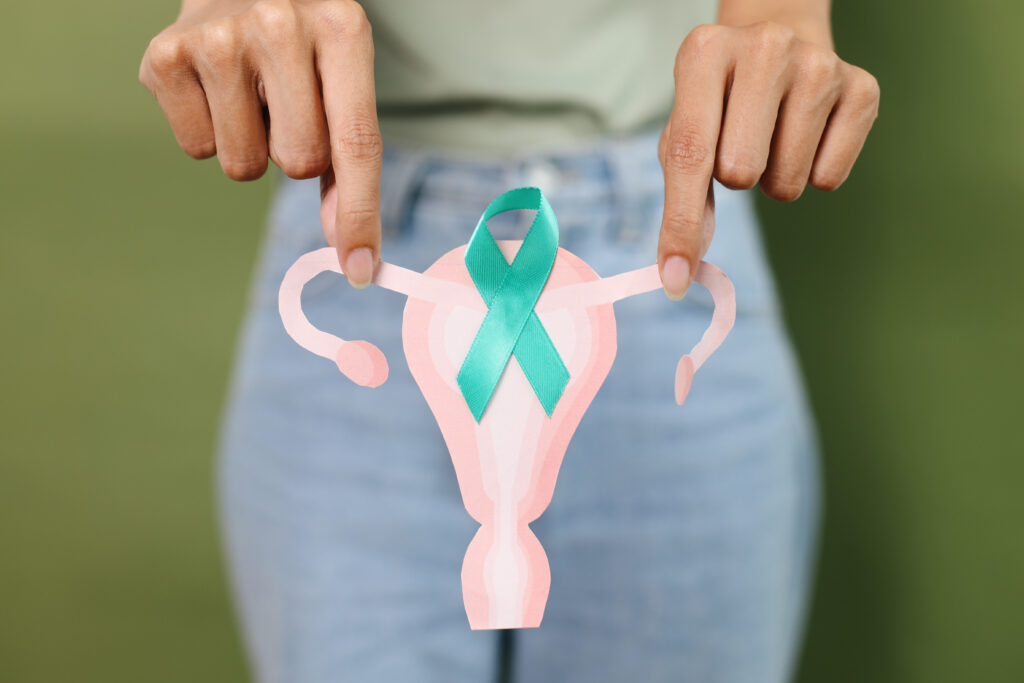
Did you know that endometriosis is one of the few disease precursors to ovarian cancer? Learn about the risks, new research, and strategies for risk-reduction surgery that could help protect your future.

Endometriosis is one of the few known disease precursors to ovarian cancer. This information is not meant to alarm patients but to inform them about the importance of close monitoring and making informed choices for their future health.

Initially, studies indicated a 3-4 fold increase in ovarian cancer risk for patients with pathology-proven endometriosis. To put this in perspective, the lifetime risk of ovarian cancer in the general population is 1 in 87. For endometriosis patients, it was previously estimated at 1 in 50.

Endometriosis affects 1 in 8-10 individuals born with a uterus (approximately 11% of the population). Comparatively, breast cancer affects 1 in 8 women.

More recent studies estimate a significantly higher ovarian cancer risk in patients with deeply infiltrating endometriosis (DIE), with an 18-19 fold increase. This new data may lead to recommendations for risk-reducing surgeries, such as salpingectomy, similar to those for BRCA2 mutation carriers.

Even without the recent findings, we recommend yearly follow-up with your gynecologist and pelvic imaging every 1-2 years, although this is not ACOG-endorsed. This guidance comes from Dr. G’s extensive experience managing endometriosis patients and observing disease progression.

Early salpingectomy (removal of fallopian tubes) combined with endometriosis excision can be an effective risk-reduction strategy.


References:

Barnard ME, Farland LV, Yan B, et al. Endometriosis Typology and Ovarian Cancer Risk. JAMA. Published online July 17, 2024. doi:10.1001/jama.2024.9210

Kahn RM, Stone RL, Long Roche KC. Salpingectomy and Ovarian Cancer Prevention—Reply. JAMA Surg. 2024;159(4):470. doi:10.1001/jamasurg.2023.7773


Content Page Subscribe Widget
Share this post:

Explore more:

DS_NaProSurgery_MinInvasive_Robotic_EN_250618_Hero Image OP1
Natural Procreative Technology (NaPro) Surgery: What It Is and What to Expect
Short for Natural Procreative Technology, NaPro surgery is a restorative, minimally invasive technique that uses laparoscopic and hysteroscopic methods to diagnose and treat the root causes of infertility....
Read More
WhatIsMCAS_ConditionOverview_EN_Hero Image OP1
What Is Mast Cell Activation Syndrome (MCAS)? 
Mast cell activation syndrome (MCAS) is a condition in which the body's mast cells, a type of immune cell, release inflammatory chemicals excessively and in response to things that are not genuine thr...
Read More
7_DS_PelvicAdhesions_ScarTissue_WhatIs_EN_240205_Hero Image OP3
What Are Pelvic Adhesions (Scar Tissue)?
Pelvic adhesions are bands of internal scar tissue that form between organs and tissues inside the pelvis or abdomen.
Read More
DS_NaProSurgery_MinInvasive_Robotic_EN_250618_Hero Image OP1
Natural Procreative Technology (NaPro) Surgery: What It Is and What to Expect
Short for Natural Procreative Technology, NaPro surgery is a restorative, minimally invasive technique that uses laparoscopic and hysteroscopic methods to diagnose and treat the root causes of infertility....
Read More
WhatIsMCAS_ConditionOverview_EN_Hero Image OP1
What Is Mast Cell Activation Syndrome (MCAS)? 
Mast cell activation syndrome (MCAS) is a condition in which the body's mast cells, a type of immune cell, release inflammatory chemicals excessively and in response to things that are not genuine thr...
Read More
7_DS_PelvicAdhesions_ScarTissue_WhatIs_EN_240205_Hero Image OP3
What Are Pelvic Adhesions (Scar Tissue)?
Pelvic adhesions are bands of internal scar tissue that form between organs and tissues inside the pelvis or abdomen.
Read More