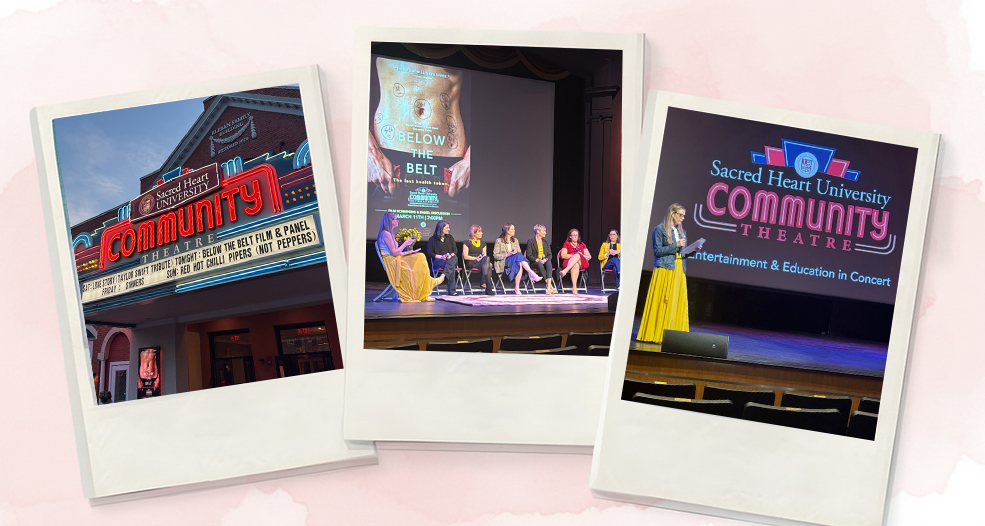
Below the Belt is a documentary that follows four patients searching for answers to unexplained symptoms, exposing how gender bias and systemic barriers leave millions suffering from endometriosis suffering in silence. A recent screening brought together leaders in pelvic health, research, advocacy, and surgery to discuss the realities of endometriosis and the gaps that continue to affect diagnosis and treatment.
Organized by ESSE Care patient Arleigh Cole, the event included a wide-ranging conversation by an expert panel that included ESSE Care’s founder, Dr. Karli Provost Goldstein. The panel highlighted the importance of multidisciplinary treatment, patient advocacy, and improving education around this often-misunderstood disease.
Here are the key insights from that discussion.
1. Endometriosis care requires a multidisciplinary, specialized approach.
Endometriosis is a complex disease that often affects multiple systems in the body.
From a surgical perspective, especially in long-standing or severe cases, the disease can be deeply infiltrative and involve multiple organs. Delays in diagnosis often increase the complexity of care, and outcomes are closely tied to the experience and expertise of the surgeon performing the procedure.
This reinforces the importance of:
- Seeking care from experienced, excision-trained specialists.
- Integrating pelvic floor therapy and rehabilitation.
- Addressing both physical and emotional aspects of care.


2. The endo journey is overwhelming, and support matters.
Every patient’s experience with endometriosis is unique, and there is no single path that fits everyone. There is an abundance of information about endometriosis available online, but not all of it is applicable to every person. Constantly comparing experiences can also increase anxiety and confusion, making compassionate guidance from trusted providers especially important as patients navigate their care.
3. Advocacy is essential at every stage of the journey.
A major theme throughout the discussion was the importance of continued self-advocacy.
This is especially important when:
- Surgery does not provide the expected relief.
- A patient learns they did not receive true excision surgery.
- Symptoms persist or evolve over time.
Remember, it is okay to seek additional opinions when your gut says you’re not receiving the care you deserve. With diseases like endometriosis, specialized care from experts can make all the difference when it comes to getting the right treatment plan.
This is also where having a supportive community—whether in person or online—is so valuable. Talking to others about their journeys and receiving positive encouragement can help patients feel empowered to continue to advocate for themselves.
4. Pelvic floor physical therapy is a critical part of endometriosis care.
The panel also discussed the role of pelvic floor physical therapy throughout the entire treatment journey—not just after surgery.
Pelvic PT can be beneficial at multiple stages:
- Before surgery (prehab): Preparing the body, improving muscle function, and reducing baseline tension.
- After surgery: Supporting healing tissues, reducing abdominal swelling, and helping patients safely return to daily activities.
- Long-term care: Managing flare-ups, ongoing pelvic pain, and movement dysfunction.
- Another key point is that internal techniques are not always required. Many patients benefit from external techniques, movement retraining, and education-based care depending on their comfort level and symptoms.
5. Education gaps continue to impact endo diagnosis and care.


The panel emphasized that endometriosis education remains limited across medical and nursing training programs.
This contributes to:
- Delayed diagnosis.
- Misunderstanding of disease progression.
- Outdated beliefs, including the misconception that birth control stops endometriosis.
There is a growing recognition of the need to expand education so that future providers are better equipped to identify and manage this condition.
What This Means for Your Care
This discussion highlights both the progress being made and the challenges that remain in endometriosis care.
If you are navigating symptoms or a diagnosis, these insights may help guide your next steps:
- Look for specialized care when possible.
- Seek reliable information and be mindful of misinformation online.
- Continue advocating for yourself if your symptoms are not improving.
- Consider pelvic floor therapy as part of both pre- and post-surgical care.
- Prioritize mental health support as part of your healing journey.
Healing is not just about treating the disease. It is about restoring quality of life, rebuilding trust in your body, and creating a path forward with the right support.