You can inherit your eye color, your blood type, and even your dimples and freckles from your parents and grandparents—but what about diseases like endometriosis? The story of two sisters in Los Angeles highlights the genetic component of endometriosis and the importance of discussing health issues with family members.
Is Endometriosis Genetically Inherited?
Although the exact science of endometriosis genes are still being settled, it’s clear that endo has a genetic component. In fact, endometriosis may be inherited in up to 50% of cases. Researchers have identified at least one gene that increases women’s risk of having endometriosis.
Women with congenital uterine abnormalities (CUAs), which are associated with abnormal bleeding patterns, also have a greater risk of developing endometriosis. These malformations are thought to have a genetic component. Types of CUAs include:
- Arcuate (heart-shaped) uterus
- Bicornuate (double horn) uterus
- Septate (divided) uterus
Additionally, research has shown that women with a first-degree relative (mother, sister, or daughter) who has been diagnosed with endometriosis are at least seven times more likely to develop the condition themselves compared to women with no family history. A positive family history is also associated with more severe endometriosis. Considering how often endometriosis is thought to go undiagnosed or misdiagnosed, there may be many cases when a woman’s family member had endometriosis but no one ever knew.
Note: Because endometriosis is under researched, there’s still a lot we don’t know about its causes. Family clustering of the disease suggests a genetic link, but environmental or lifestyle factors may also contribute to an increased risk of developing the disease within a family.
Two Sisters, Same Disease, Different Symptoms
The story of two sisters with endometriosis in Los Angeles starts with two different collections of symptoms:
| Sister A | Sister B |
|---|---|
| Pain in the middle of the chest | Dry skin |
| Pelvic pain | Thinning hair |
| Heavy but pain-free periods | Light but extremely painful periods |
| Cramping in lower abdomen | Mild cramping during ovulation |
| Stabbing rectal pain during bowel movements | Painful intercourse |
| Constant, intense fatigue | Sporadic episodes of fatigue |
| Bloating | Bloating |
| Lower back pain | Increased urinary frequency |
| Thigh pain | Mood swings |
| Low libido |
You may see these lists of symptoms and think, “They must be suffering from different conditions.” But the truth is that endometriosis and other gynecologic diseases can cause a wide variety of symptoms (or none at all) depending on which organs and tissues are involved. One thing many people don’t know is that endometriosis is a whole-body disease, commonly spreading beyond the pelvis to other, more distant areas of the body.
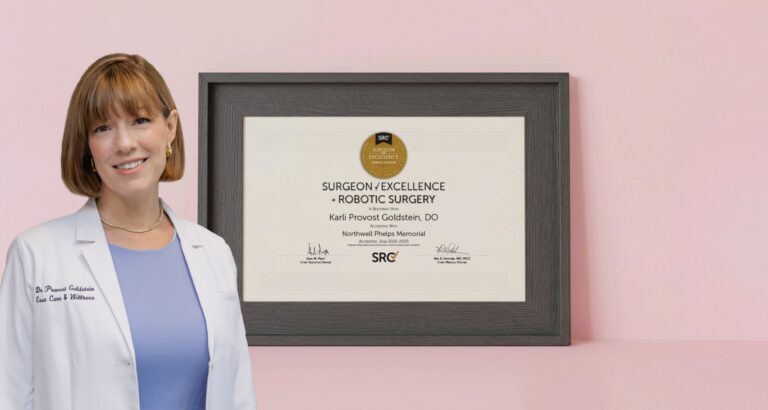
The sisters came to ESSE Care’s Dr. Karli Provost Goldstein after searching for an endometriosis specialist and excision surgeon in LA. After a consultation, which included a thorough discussion of both women’s medical and health histories, Dr. Goldstein strongly suspected they had endometriosis, but only laparoscopic surgery could confirm where and how extensive the lesions were.


Dr. Goldstein worked with Dr. Daniel Marcus at Cedars-Marina to perform endometriosis excision surgery on both sisters on the same day. The combination of Dr. Goldstein’s expertise as an endometriosis specialist surgeon and Dr. Marcus’s mastery of complex robotic-assisted surgery made them the perfect team to tackle both cases.
During the two surgeries, Dr. Marcus and Dr. Goldstein confirmed both sisters had endometriosis. Sister A, who had been experiencing chest pain, rectal pain, and pelvic pain, had deep endometriosis on both ovaries (including cysts) and the rectum in addition to multiple lesions throughout the abdomen. Sister B, who had extremely painful periods, painful intercourse, and increased urinary frequency, was found to have endometriosis of the uterus and rectum, with endometriosis infiltration of the appendix.
The sisters were able to be in the same room for pre-op and post-op, thanks to the accommodating staff at Cedars, and Dr. Goldstein visited with them as they recovered. After excision surgery, both women are recovering well and looking forward to complete healing over time.
Why This Matters


Not everyone knows their family health history—in fact, the sisters in this case weren’t sure whether their late mother had ever been diagnosed with endometriosis or experienced any symptoms of it.
But if your body is showing any of the signs and symptoms of endo, it’s important to check with the women in your family to find out whether they’ve ever had similar issues, diagnosed or not. This can give your endometriosis specialist more information to help them understand whether endo or something else could be causing your symptoms.
This case also highlights the importance of mapping your symptom history throughout your body both during menstruation and the rest of the month. The locations of the pain and pressure that the sisters felt pointed to the potential positions of endometriosis lesions in their bodies, which were confirmed during surgery.
Dr. G’s Final Thoughts


"Witnessing endometriosis manifest in two sisters underscores the genetic link of this disease," Dr. Goldstein shared. "It was a true honor to provide expert surgical care to both of them on the very same day, contributing to their journey toward healing."
Dr. Goldstein
If you or someone in your family has endometriosis and you’re concerned there may be a familial connection, the experts at ESSE Care are here to help you investigate. Schedule a consultation today.