• Let's Chat
  • Contact Form
× Send

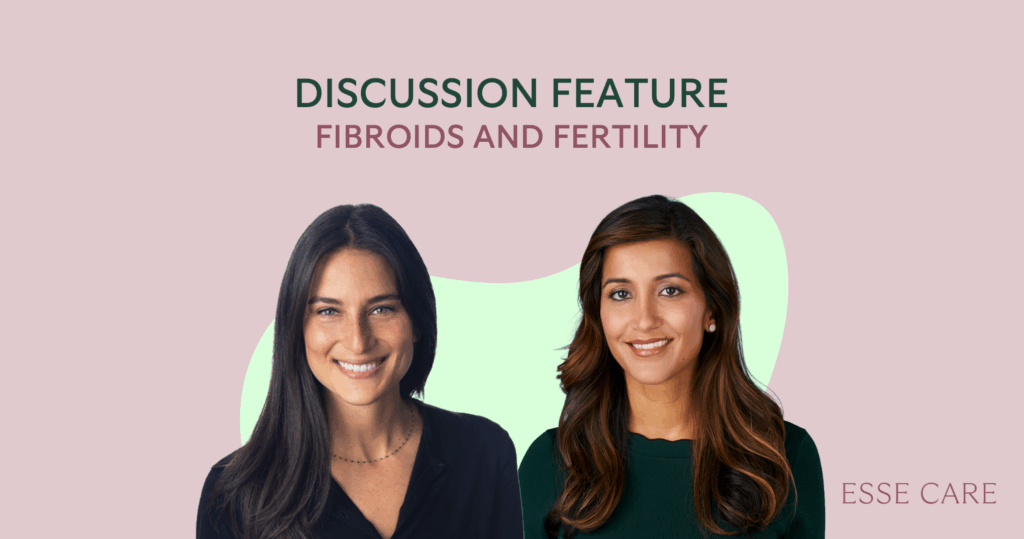
Watch Dr. Leigh Rosen and Dr. Lucky Sekhon Discuss Fibroids and Fertility 

In this discussion, Dr. Leigh Rosen and Dr. Lucky Sekhon shed light on one of the most common uterine conditions: fibroids.

In this discussion, Dr. Leigh Rosen and Dr. Lucky Sekhon shed light on one of the most common uterine conditions—fibroids—and how they can affect fertility. Although most women will have fibroids at some point in their lives, treatment isn’t always necessary. However, treatment becomes a priority for many women when they are trying to conceive. 

If you’ve been diagnosed with fibroids and are concerned about how they could impact your reproductive goals, this conversation is for you. 

What You’ll Learn 

  • What fibroids are and how to recognize the signs and symptoms 
  • Factors that influence fertility, including fibroid size and location 
  • All the potential treatment options, including medication, interventional radiology, and surgery 
  • Whether fibroids regrow, and what happens if they do 
  • The importance of coordinating fibroid care with fertility treatment 

This Discussion Is for Patients Who Are: 

  • Starting fertility treatment and worried they might have fibroids 
  • Unsure whether they should prioritize IVF or fibroid treatment for the best fertility outcomes 

Watch the video to learn more, and contact ESSE Care for an individualized consultation about your reproductive health and wellness. 
Content Page Subscribe Widget
Share this post:

Explore more:

What Is a Salpingectomy and What Should You Know Before Having One
Dr. Leigh Rosen explains what a salpingectomy is, why it may be recommended, and why removing your fallopian tubes does not affect your hormones or put you into menopause.
Read More
What Is Chronic Pelvic Pain and Why Early Treatment Matters
Dr. Amanda Chu explains chronic pelvic pain, its most common causes including endometriosis, fibroids, and adenomyosis, and why early treatment is key to preventing lasting neurologic changes.
Read More
Retained Pregnancy Tissue Is More Common Than Many People Realize
How Does Hysteroscopy Help Treat Retained Pregnancy Tissue?
Retained pregnancy tissue is more common than many people realize. It happens when pregnancy tissue does not fully pass after a miscarriage, pregnancy loss, or delivery.
Read More
What Is a Salpingectomy and What Should You Know Before Having One
Dr. Leigh Rosen explains what a salpingectomy is, why it may be recommended, and why removing your fallopian tubes does not affect your hormones or put you into menopause.
Read More
What Is Chronic Pelvic Pain and Why Early Treatment Matters
Dr. Amanda Chu explains chronic pelvic pain, its most common causes including endometriosis, fibroids, and adenomyosis, and why early treatment is key to preventing lasting neurologic changes.
Read More
What Is a Salpingectomy and What Should You Know Before Having One
Dr. Leigh Rosen explains what a salpingectomy is, why it may be recommended, and why removing your fallopian tubes does not affect your hormones or put you into menopause.
Read More
What Is Chronic Pelvic Pain and Why Early Treatment Matters
Dr. Amanda Chu explains chronic pelvic pain, its most common causes including endometriosis, fibroids, and adenomyosis, and why early treatment is key to preventing lasting neurologic changes.
Read More
Retained Pregnancy Tissue Is More Common Than Many People Realize
How Does Hysteroscopy Help Treat Retained Pregnancy Tissue?
Retained pregnancy tissue is more common than many people realize. It happens when pregnancy tissue does not fully pass after a miscarriage, pregnancy loss, or delivery.
Read More