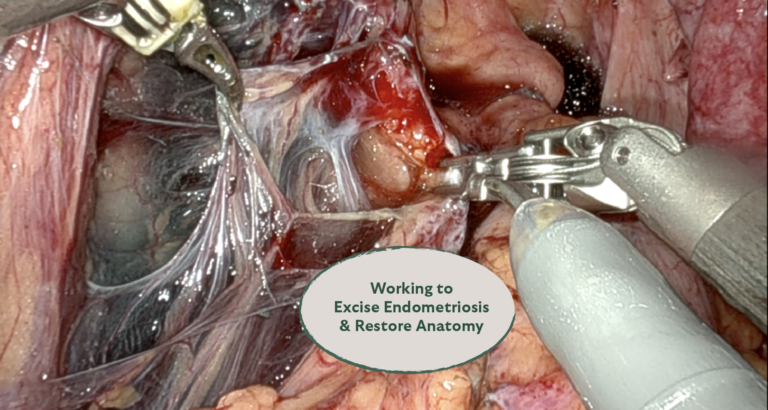
The Whole-Body Care & Wellness for Endometriosis webinar, hosted by Dr. Karli Provost Goldstein and joined by three trusted partners—Lisa Lisiewski (Functional Nutritionist), Lexi Butman (Pelvic Floor Physical Therapist), and Arleigh Cole (Patient Advocate and Health Coach)—offers powerful insight into one of the most complex conditions in women’s health.
Together, the panel shares an honest, clinically grounded, and compassionate look at what it truly means to treat endometriosis with a whole-body approach. From surgical insight to hormone metabolism, gut health to emotional healing, this conversation reflects the kind of integrative, thoughtful care every patient deserves.
Here are the top five takeaways from the discussion.
1. Endometriosis Is a Full-Body Condition—Not Just a Reproductive Disease
Dr. Goldstein explains that endometriosis isn’t confined to the uterus or ovaries. It’s a chronic, systemic disease that can involve the bowel, bladder, pelvic nerves, and even the diaphragm or lungs.
Many patients with GI symptoms, chest pain, or bladder urgency are told these symptoms aren’t connected—but in reality, endometriosis can impact the entire body. That’s why excision surgery is a critical starting point, but not a stand-alone solution. Whole-body care goes far beyond the operating room.
2. Food Can Be a Tool for Healing—Not a Source of Stress
Functional Nutritionist Lisa Lisiewski shares her approach to using nutrition as a therapeutic, individualized support for endometriosis—not a one-size-fits-all diet plan.
Patients are often overwhelmed by restrictive advice, but Lisa emphasizes starting with gut function, inflammation, and hormone clearance before making major changes. She helps patients use food to calm SIBO, improve estrogen detox, support post-op healing, and reduce systemic flare-ups.
The goal? A personalized nutrition plan that feels nourishing, not punishing.
🥗 Curious about how food and endo connect? Explore Lisa’s Q&A on Nutrition and Endometriosis
3. Pelvic Floor Dysfunction Is Real—And It’s Treatable
Pelvic Floor Physical Therapist Lexi Butman explains how many endo patients live with painful sex, bladder frequency, constipation, or core weakness—but have no idea these symptoms are tied to pelvic floor tension.
Lexi shares how a trauma-informed, nervous-system-led therapy approach can help relax guarded muscles, retrain movement, and restore comfort without pain or pressure. Pelvic therapy is often overlooked—but for many patients, it’s the missing link in recovery.
💆 Want to understand what pelvic therapy actually feels like? Read Lexi’s Q&A on Pelvic Floor Therapy
4. Healing Starts with Feeling Heard
Patient Advocate Arleigh Cole brings a deeply personal and powerful message: being dismissed, misdiagnosed, or misunderstood creates lasting emotional wounds—and it’s part of what many endo patients carry alongside their physical pain.
Arleigh emphasizes the importance of care that validates lived experience, listens fully, and works collaboratively. She reminds patients to advocate for themselves, ask questions, and seek providers who center them in their own care.
At ESSE, we believe listening is medicine.
💛 Need a story that sounds like your own? Read Arleigh’s Story
5. Integrated Care Is the Future of Endometriosis Treatment
What makes this conversation so unique is its emphasis on collaboration. Every panelist—from surgeon to nutritionist to physical therapist—speaks about working together to create a care plan that reflects the full scope of a patient’s needs.
It’s not about surgery vs. supplements. It’s not pelvic floor therapy vs. hormone care. It’s a holistic model that aligns timing, goals, and patient values into one connected path forward.
This is the ESSE model—and it’s built to support long-term healing, not just symptom management.
Moving the Conversation Forward
One thing is clear: patients are craving care that treats them as whole people—not just a diagnosis.
At ESSE Care & Wellness, we’re committed to delivering that care. Whether you’re navigating surgery, gut issues, hormonal changes, pelvic tension, or emotional burnout—we’re here to walk with you.