• Let's Chat
  • Contact Form
× Send

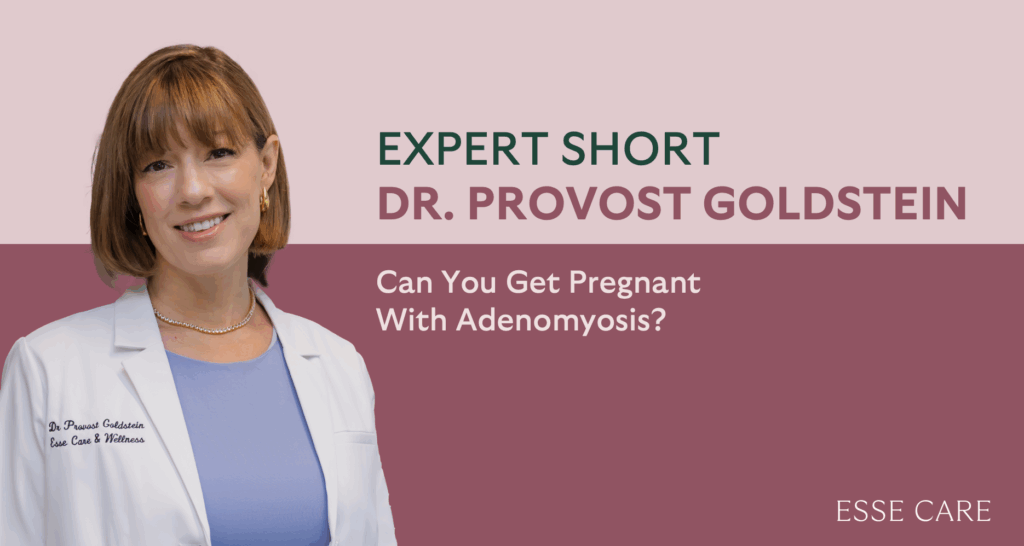
Can You Get Pregnant with Adenomyosis?

Adenomyosis doesn’t always cause fertility problems, but for some people, it can make it harder to get pregnant or carry a pregnancy to term. Some studies suggest that adenomyosis may be linked to pregnancy complications like miscarriage and preterm birth.

Can You Get Pregnant with Adenomyosis?

Being diagnosed with adenomyosis, especially at a young age, can be overwhelming. Many wonder what it means for their fertility and future plans.

The truth is that you can get pregnant with adenomyosis. Many individuals go on to have healthy, uncomplicated pregnancies, sometimes not even knowing they have the condition. Others are aware but still experience successful outcomes, including vaginal deliveries.

There can be some increased risks during pregnancy, such as miscarriage or abnormal placentation. These risks are similar to those seen in patients with endometriosis.

We believe in empowering you with options. Fertility preservation, including egg freezing, may be a proactive step to consider. And we’re here to explore other supportive therapies that align with your goals.

Learn More About Fertility and Adenomyosis

Explore how ESSE Care supports fertility for patients with adenomyosis and endometriosis, including preservation options and integrative treatments.

Explore Fertility Care

Content Page Subscribe Widget
Share this post:

Explore more:

What Is a Salpingectomy and What Should You Know Before Having One
Dr. Leigh Rosen explains what a salpingectomy is, why it may be recommended, and why removing your fallopian tubes does not affect your hormones or put you into menopause.
Read More
What Is Chronic Pelvic Pain and Why Early Treatment Matters
Dr. Amanda Chu explains chronic pelvic pain, its most common causes including endometriosis, fibroids, and adenomyosis, and why early treatment is key to preventing lasting neurologic changes.
Read More
Retained Pregnancy Tissue Is More Common Than Many People Realize
How Does Hysteroscopy Help Treat Retained Pregnancy Tissue?
Retained pregnancy tissue is more common than many people realize. It happens when pregnancy tissue does not fully pass after a miscarriage, pregnancy loss, or delivery.
Read More
What Is a Salpingectomy and What Should You Know Before Having One
Dr. Leigh Rosen explains what a salpingectomy is, why it may be recommended, and why removing your fallopian tubes does not affect your hormones or put you into menopause.
Read More
What Is Chronic Pelvic Pain and Why Early Treatment Matters
Dr. Amanda Chu explains chronic pelvic pain, its most common causes including endometriosis, fibroids, and adenomyosis, and why early treatment is key to preventing lasting neurologic changes.
Read More
What Is a Salpingectomy and What Should You Know Before Having One
Dr. Leigh Rosen explains what a salpingectomy is, why it may be recommended, and why removing your fallopian tubes does not affect your hormones or put you into menopause.
Read More
What Is Chronic Pelvic Pain and Why Early Treatment Matters
Dr. Amanda Chu explains chronic pelvic pain, its most common causes including endometriosis, fibroids, and adenomyosis, and why early treatment is key to preventing lasting neurologic changes.
Read More
Retained Pregnancy Tissue Is More Common Than Many People Realize
How Does Hysteroscopy Help Treat Retained Pregnancy Tissue?
Retained pregnancy tissue is more common than many people realize. It happens when pregnancy tissue does not fully pass after a miscarriage, pregnancy loss, or delivery.
Read More