• Let's Chat
  • Contact Form
× Send

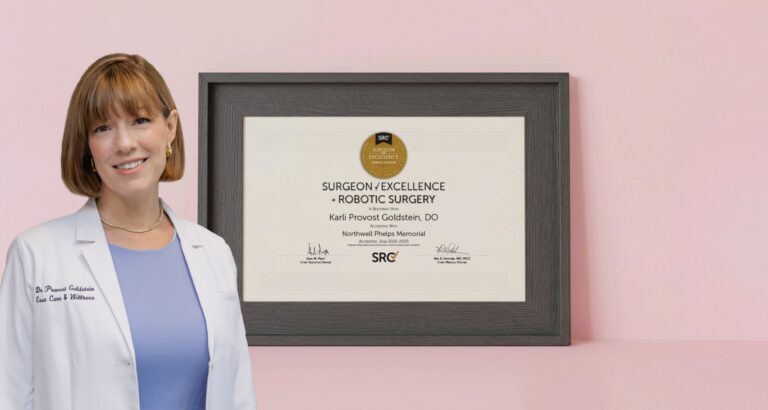
Watch Dr. Karli Provost Goldstein on The Egg Whisperer Podcast: Endometriosis, Fertility, and Expert Surgical Care

Dr. Karli Provost Goldstein joins Dr. Aimee Eyvazzadeh on The Egg Whisperer Podcast to discuss endometriosis, fertility, and expert treatment options. Learn about excision surgery, fertility preservation, and holistic management strategies.

What You’ll Learn in This Conversation

In this episode of The Egg Whisperer Podcast, Dr. Aimee Eyvazzadeh sits down with Dr. Karli Provost Goldstein, an expert in minimally invasive excision surgery and fertility-restorative care. Their discussion sheds light on the difficulties of diagnosing endometriosis, its impact on fertility, and how patients can find the best treatment options for long-term relief.


Key topics covered include:

  • Why endometriosis often goes undiagnosed for years and how to recognize its symptoms
  • The connection between endometriosis and unexplained infertility
  • Excision vs. ablation surgery—why choosing the right surgical approach matters
  • Signs on ultrasound and imaging that may indicate endometriosis
  • Fertility preservation options and when to consider egg or embryo freezing
  • How holistic treatments like acupuncture, nutrition, and pelvic floor therapy can complement medical care
  • How to advocate for yourself and find the right provider for endometriosis treatment


This conversation is essential for anyone navigating chronic pelvic pain, infertility, or concerns about endometriosis. Watch the full video above or explore the most important takeaways below.

Want the Quick Highlights?
Content Page Subscribe Widget
Share this post:

Explore more:

What Is a Salpingectomy and What Should You Know Before Having One
Dr. Leigh Rosen explains what a salpingectomy is, why it may be recommended, and why removing your fallopian tubes does not affect your hormones or put you into menopause.
Read More
What Is Chronic Pelvic Pain and Why Early Treatment Matters
Dr. Amanda Chu explains chronic pelvic pain, its most common causes including endometriosis, fibroids, and adenomyosis, and why early treatment is key to preventing lasting neurologic changes.
Read More
Retained Pregnancy Tissue Is More Common Than Many People Realize
How Does Hysteroscopy Help Treat Retained Pregnancy Tissue?
Retained pregnancy tissue is more common than many people realize. It happens when pregnancy tissue does not fully pass after a miscarriage, pregnancy loss, or delivery.
Read More
What Is a Salpingectomy and What Should You Know Before Having One
Dr. Leigh Rosen explains what a salpingectomy is, why it may be recommended, and why removing your fallopian tubes does not affect your hormones or put you into menopause.
Read More
What Is Chronic Pelvic Pain and Why Early Treatment Matters
Dr. Amanda Chu explains chronic pelvic pain, its most common causes including endometriosis, fibroids, and adenomyosis, and why early treatment is key to preventing lasting neurologic changes.
Read More
What Is a Salpingectomy and What Should You Know Before Having One
Dr. Leigh Rosen explains what a salpingectomy is, why it may be recommended, and why removing your fallopian tubes does not affect your hormones or put you into menopause.
Read More
What Is Chronic Pelvic Pain and Why Early Treatment Matters
Dr. Amanda Chu explains chronic pelvic pain, its most common causes including endometriosis, fibroids, and adenomyosis, and why early treatment is key to preventing lasting neurologic changes.
Read More
Retained Pregnancy Tissue Is More Common Than Many People Realize
How Does Hysteroscopy Help Treat Retained Pregnancy Tissue?
Retained pregnancy tissue is more common than many people realize. It happens when pregnancy tissue does not fully pass after a miscarriage, pregnancy loss, or delivery.
Read More