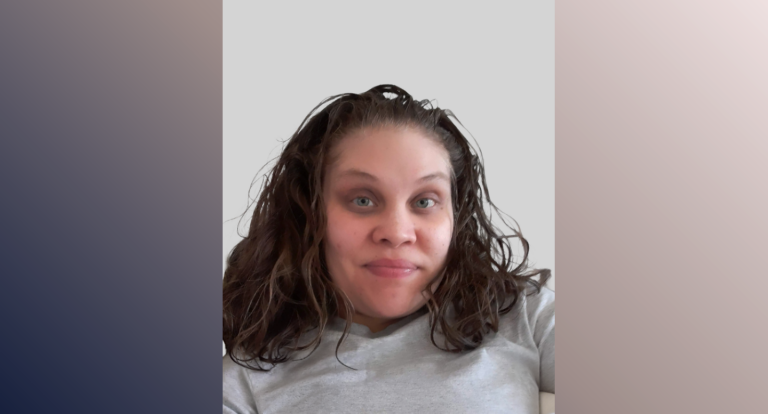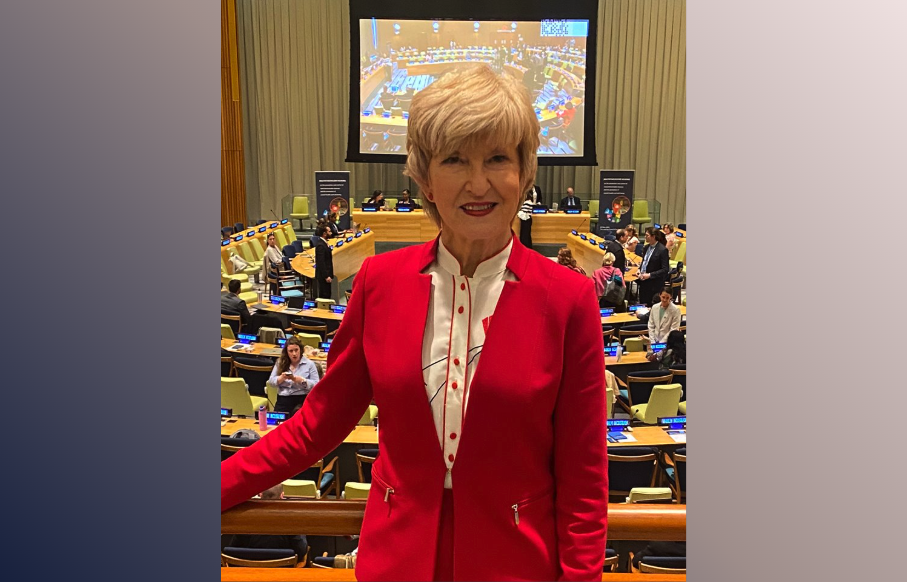
Audrey Craven has lived with migraine disease for most of her life. But it wasn’t until she began connecting the dots between her symptoms and hormonal shifts—through menstruation, pregnancy, and perimenopause—that her healing journey truly began.
Dismissed for decades—told her pain was hormonal, “just stress,” or something she’d grow out of—Audrey became an advocate not just for herself, but for millions. Today, she leads global efforts through the Migraine Association of Ireland and the Global Patient Advocacy Coalition for Headache (GPACH), using her story to fuel change. She champions empowerment, fostering understanding between patients and healthcare providers—building trust and forming a true Partnership for Progress!
Contact Global Patient Advocacy Coalition for Headache (GPACH)
What Audrey’s Story Reveals About Migraine, Hormones, and the Importance of Whole-Person Neurologic Care
In our Endo Exchange webinar, “Endometriosis & the Brain — Hormonal Headaches, Fatigue & the Overlooked Neurology of Chronic Pain,” Audrey joined Dr. Karli Provost Goldstein and Dr. Olivia Begasse de Dhaem to illuminate what many patients silently endure: neurologic symptoms that don’t stay in the head—or follow a predictable script.
Her experience underscored the cost of fragmented care:
- Migraine is a disease, not “just headaches”
- Hormonal transitions can act as powerful neurologic triggers
- Women are still told it’s “just hormones,” even when the brain is calling out for help
Audrey’s voice validated what so many feel: invisible illness is still invisible in too many clinics.
When Your Brain Is in Pain and No One’s Listening
Audrey began experiencing migraine as a teenager. At the time, it was brushed off as “normal for girls,” especially since it seemed to flare around her cycle.
But this wasn’t just a bad headache:
- She lost vision in one eye during early attacks
- She felt overwhelmed by light and noise
- She experienced nausea, exhaustion, and cognitive fog
- She’d be fine one moment—then hit by an attack out of nowhere
Over the years, her symptoms shifted. During pregnancy, they improved. After childbirth, they worsened again. In perimenopause, they became unbearable.
Still, most care providers offered no deeper investigation—just birth control, triptans, or reassurance that things might improve “after menopause.”
But for Audrey, waiting wasn’t an option.
The Search for Answers and the Start of Advocacy
Audrey began tracking her symptoms in detail: when they started, what triggered them, how long they lasted, and what helped.
She noticed patterns:
- Her attacks aligned closely with estrogen withdrawal
- Stress wasn’t the only trigger—sometimes attacks came after stress eased
- Certain foods, sleep changes, and sensory exposures made things worse
- Fatigue and mood swings weren’t “psychological”—they were prodromes of a migraine attack
When her care providers didn’t seem to take this seriously, she took matters into her own hands.
She founded the Migraine Association of Ireland in 1994, determined to create a place where people with migraine felt seen, heard, and supported. Later, she helped launch the European Headache Alliance and now co-chairs GPACH, leading global efforts to change the way we treat—and talk about—this complex neurologic disease.
Audrey’s Key Takeaways from the Endo Exchange
During the webinar, Audrey shared how validating it felt to finally be in a room where neurologists and gynecologists were having the same conversation—about hormone-linked brain pain.
She highlighted:
- The importance of tracking symptoms across the menstrual cycle
- How migraine with aura must be treated differently—especially with hormone therapy
- Why fatigue and brain fog are often neurologic—not emotional or imagined
- The danger of gaslighting patients when test results are “normal”
She also emphasized the power of one simple tool: the symptom diary.
This, she said, was what allowed her to recognize patterns, communicate clearly, and finally advocate for care that matched her needs.
What Audrey Wants Every Patient to Know
- You don’t have to “push through” pain to prove anything.
- Migraine is a disease—like asthma or diabetes—and deserves serious care.
- Hormonal shifts are real neurologic triggers. You’re not imagining it.
- Advocacy starts when someone finally says, “This matters.” Say it for yourself.
Why Her Story Matters
Her decades of migraine, shaped by each hormonal transition, reveal how deeply gendered health can be misunderstood. But her journey is also one of hope: with the right care, clarity is possible.
At ESSE Care, we are proud to collaborate with voices like Audrey’s. She bridges the patient experience with the public health message, helping everyone—from doctors to patients—better understand what the brain is trying to say.
If her story resonates, you’re not alone. Your symptoms are real. And healing starts with being believed.