• Let's Chat
  • Contact Form
× Send

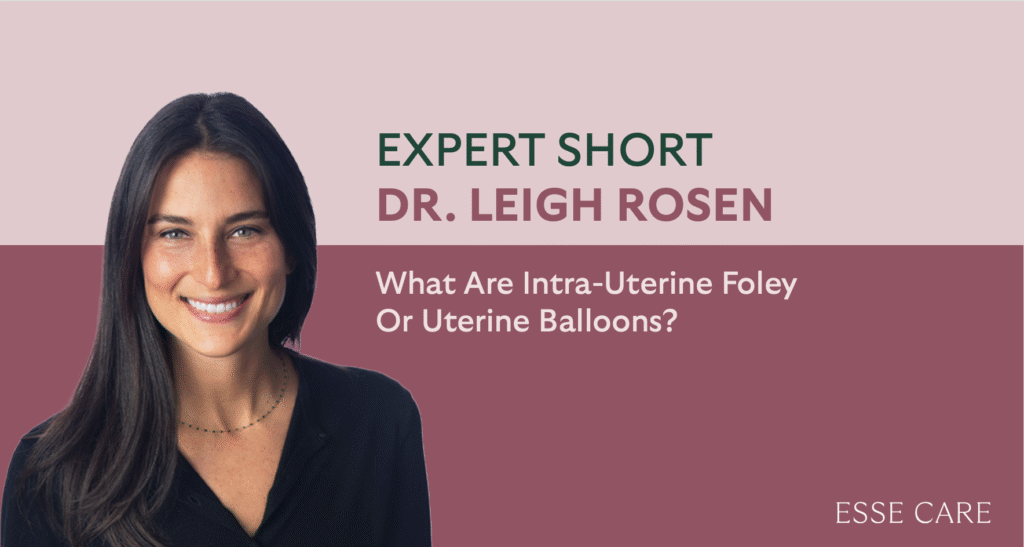
What Are Intrauterine Foleys or Uterine Balloons and Why Are They Used?

Intrauterine foleys—also called uterine balloons—are small, temporary devices placed inside the uterus after certain surgeries. In this video, Dr. Leigh Rosen shares how they support recovery and protect your fertility.

Simple tools that help your uterus heal safely.

Intrauterine foleys—also called uterine balloons—are small, temporary devices placed inside the uterus after certain surgeries. In this video, Dr. Leigh Rosen shares how they support recovery and protect your fertility.

  • Used after fertility-focused procedures: Often placed after fibroid removal, septum surgery, or treatment for Asherman’s.
  • Prevent scar tissue: These devices gently keep the walls of the uterus apart during healing, helping to prevent adhesions from forming or returning.
  • Temporary but protective: Usually left in place for a few days, they support healing at a critical time.
  • Tailored to your care: Not every surgery requires one—your surgeon will decide based on your body and your goals.
  • Designed with your future in mind: Uterine balloons are one of many tools we use to help protect your fertility and long-term health.

Protecting the Uterus, Supporting Your Future

If you’re undergoing surgery for a fertility-related condition, tools like intrauterine foleys may be part of your personalized care plan. Their purpose isn’t just to heal the uterus—it’s to support your reproductive journey and long-term wellness.

At ESSE Care, we’re committed to whole-person care—guiding you through each step with compassion and clarity. If you’re facing a uterine surgery and have questions about your options, we’re here to help you feel informed and empowered.

Reach out today to schedule a consultation with one of our experienced doctors.

Content Page Subscribe Widget
Share this post:

Explore more:

What Is a Salpingectomy and What Should You Know Before Having One
Dr. Leigh Rosen explains what a salpingectomy is, why it may be recommended, and why removing your fallopian tubes does not affect your hormones or put you into menopause.
Read More
What Is Chronic Pelvic Pain and Why Early Treatment Matters
Dr. Amanda Chu explains chronic pelvic pain, its most common causes including endometriosis, fibroids, and adenomyosis, and why early treatment is key to preventing lasting neurologic changes.
Read More
Retained Pregnancy Tissue Is More Common Than Many People Realize
How Does Hysteroscopy Help Treat Retained Pregnancy Tissue?
Retained pregnancy tissue is more common than many people realize. It happens when pregnancy tissue does not fully pass after a miscarriage, pregnancy loss, or delivery.
Read More
What Is a Salpingectomy and What Should You Know Before Having One
Dr. Leigh Rosen explains what a salpingectomy is, why it may be recommended, and why removing your fallopian tubes does not affect your hormones or put you into menopause.
Read More
What Is Chronic Pelvic Pain and Why Early Treatment Matters
Dr. Amanda Chu explains chronic pelvic pain, its most common causes including endometriosis, fibroids, and adenomyosis, and why early treatment is key to preventing lasting neurologic changes.
Read More
What Is a Salpingectomy and What Should You Know Before Having One
Dr. Leigh Rosen explains what a salpingectomy is, why it may be recommended, and why removing your fallopian tubes does not affect your hormones or put you into menopause.
Read More
What Is Chronic Pelvic Pain and Why Early Treatment Matters
Dr. Amanda Chu explains chronic pelvic pain, its most common causes including endometriosis, fibroids, and adenomyosis, and why early treatment is key to preventing lasting neurologic changes.
Read More
Retained Pregnancy Tissue Is More Common Than Many People Realize
How Does Hysteroscopy Help Treat Retained Pregnancy Tissue?
Retained pregnancy tissue is more common than many people realize. It happens when pregnancy tissue does not fully pass after a miscarriage, pregnancy loss, or delivery.
Read More